

On This Page
- What Is a Baseline Hearing Test?
- Why Hearing Changes Are Hard to Notice
- Early Detection of Hearing Loss
- Tracking Hearing Over Time
- Identifying Unusual Changes
- Supporting Better Treatment Decisions
- The Importance for Workplace and Lifestyle
- Reassurance and Peace of Mind
- When Should You Get a Baseline Hearing Test?
- Professional Hearing Assessments You Can Trust
- Take a Proactive Approach to Your Hearing Health
Hearing changes rarely happen overnight. In most cases, hearing loss develops gradually, making it difficult to notice subtle differences from one year to the next. What feels “normal” today may actually be a slow decline that has gone unnoticed over time.
This is where baseline hearing tests become so important. A baseline test provides a clear record of your hearing at a specific point in time, allowing future changes to be measured accurately. Rather than relying on guesswork, audiologists can compare results over time and identify even small shifts in your hearing.
Understanding the value of baseline hearing tests can help you take a more proactive approach to your hearing health and ensure that any changes are addressed early.
What Is a Baseline Hearing Test?
A baseline hearing test is an initial assessment that records how well you hear across a range of frequencies and speech situations. It becomes your personal reference point, so an audiologist can compare future results against it and detect even small changes early. Ideally it is taken while your hearing still feels normal.
A baseline hearing test is an initial assessment that establishes how well you hear across a range of frequencies and environments. It acts as a reference point for future comparisons, helping audiologists track changes in your hearing over time.
During the test, your audiologist will measure how you respond to different sounds and speech patterns. This creates a detailed profile of your hearing ability, which can be used to detect even minor changes later on.
There are several types of hearing tests used to build this profile, each designed to assess different aspects of hearing, from sound detection to speech understanding in noise.
Why Hearing Changes Are Hard to Notice
One of the biggest challenges with hearing loss is how gradually it develops. Because the change is so slow, your brain adapts to reduced sound input, making it difficult to recognise that anything has changed.
You may find yourself:
- Turning the volume up slightly over time
- Asking people to repeat themselves occasionally
- Struggling more in noisy environments
These small adjustments often feel normal, which is why many people delay seeking help. Without a baseline test, it can be difficult to determine whether your hearing has changed or if you are simply adjusting to different environments.
Early Detection of Hearing Loss
A baseline hearing test allows for early detection of hearing changes before they begin to affect your daily life.
Even minor shifts in hearing can be identified by comparing new test results with your original baseline. This makes it possible to take action early, rather than waiting until hearing loss becomes more noticeable or disruptive.
Early detection offers several benefits:
- More effective treatment options
- Easier adaptation to hearing support if needed
- Reduced impact on communication and relationships
If you get any changes identified early, you can maintain better control over your hearing health.
Tracking Hearing Over Time
Your hearing is not static, meaning it changes naturally as you age and in response to your environment. Factors such as noise exposure, health conditions, and lifestyle can all influence how your hearing develops over time.
A baseline test allows audiologists to monitor these changes accurately. Instead of relying on a single snapshot, they can track patterns and identify whether your hearing is changing at a normal rate or more quickly than expected.
This ongoing monitoring is particularly important for people who:
- Work in noisy environments
- Regularly attend loud events
- Have a family history of hearing loss
- Have underlying health conditions that may affect hearing
Tracking your hearing over time provides valuable insight into how to protect it moving forward.
Identifying Unusual Changes
Not all hearing loss follows the same pattern. In some cases, hearing may decline more rapidly than expected or affect certain frequencies more than others.
A baseline test helps audiologists spot these unusual changes early. For example, a sudden drop in hearing or asymmetrical hearing loss (where one ear is affected more than the other) may indicate an underlying issue that requires further investigation.
Without a baseline for comparison, these changes may go unnoticed for longer, potentially delaying diagnosis and treatment.
Supporting Better Treatment Decisions
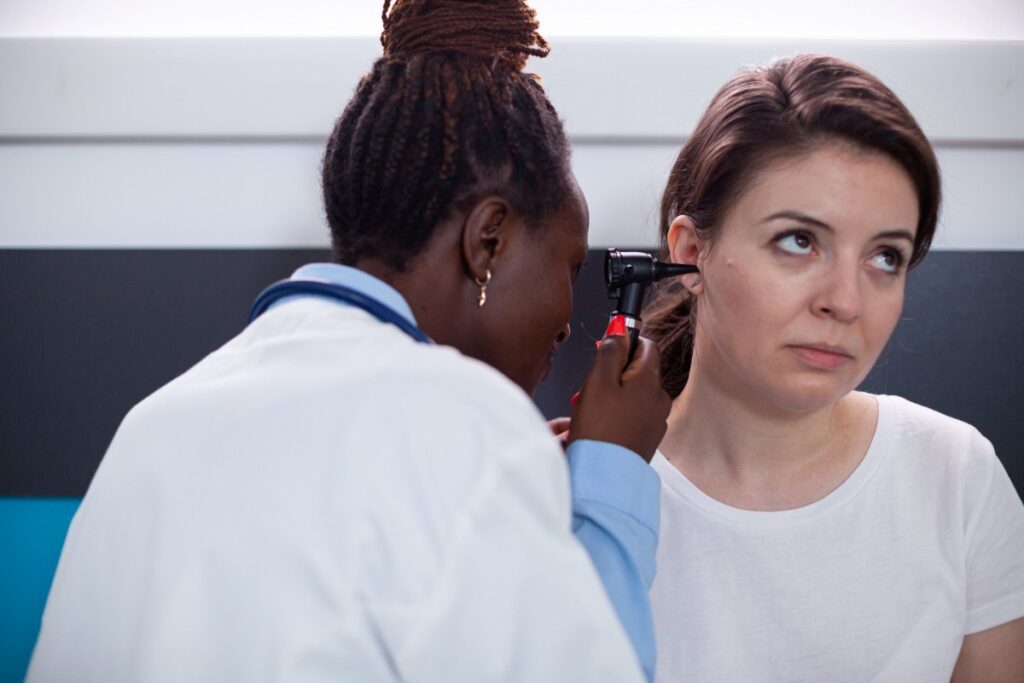
Having a baseline hearing profile allows for more informed treatment decisions. If hearing loss is detected, audiologists can tailor solutions based on how your hearing has changed over time.
This might include:
- Recommending hearing aids suited to your specific hearing profile
- Adjusting existing hearing devices more precisely
- Providing targeted advice on communication strategies
Because treatment is based on accurate, long-term data, it is more likely to be effective and aligned with your needs.
The Importance for Workplace and Lifestyle
Hearing plays a vital role in both professional and personal settings. Whether you are attending meetings, socialising with friends, or simply enjoying everyday activities, clear hearing supports communication and confidence.
A baseline hearing test helps ensure that any changes are identified before they begin to affect your performance at work or your interactions with others.
For people in demanding environments (like offices with background noise, customer-facing roles, or physically noisy workplaces) this proactive approach can make a significant difference in maintaining productivity and wellbeing.
Reassurance and Peace of Mind
One of the most overlooked benefits of baseline hearing tests is the reassurance they provide. Knowing that your hearing has been professionally assessed gives you confidence in your overall hearing health.
If your results are normal, you have a clear reference point for the future. If there are any concerns, you can address them early with expert guidance.
This peace of mind is particularly valuable for people who are unsure whether their hearing has changed or who may be concerned about symptoms such as tinnitus or difficulty understanding speech.
When Should You Get a Baseline Hearing Test?
Ideally before you notice any problem, while your hearing still feels normal. It is worth considering if you are over 50 (RNID finds more than 40% of this group have hearing loss), work in noise, have a family history, or simply want to monitor your hearing proactively rather than waiting for difficulties.

Many people assume that hearing tests are only necessary when problems arise, but this is not the case. Establishing a baseline early allows you to monitor changes long before they become noticeable.
You may benefit from a baseline hearing test if you:
- Are over the age of 40 or 50
- Work or spend time in noisy environments
- Have noticed subtle changes in your hearing
- Have a family history of hearing loss
- Simply want to take a proactive approach to your health
Even if your hearing feels normal, having a baseline in place ensures that any future changes can be detected quickly.
Professional Hearing Assessments You Can Trust
A professional hearing assessment provides far more than a simple check – it offers a detailed understanding of your hearing health and how it may change over time.
You can book a private audiology evaluation now with VIP Hearing Solutions. This appointment, in our boutique London clinic, is designed to give you a clear and accurate picture of your hearing. Our experienced audiologists use advanced testing methods to establish your baseline and provide personalised advice tailored to your lifestyle.
With expert support and modern technology, you can feel confident that your hearing is being carefully monitored and managed.
Take a Proactive Approach to Your Hearing Health
Baseline hearing tests are one of the most effective ways to protect your long-term hearing health. With a clear starting point, you give yourself the ability to detect changes early, make informed decisions, and maintain strong communication in all areas of life.
Rather than waiting for hearing difficulties to become obvious, taking action now allows you to stay ahead of potential issues. With regular monitoring and professional support, you can ensure that your hearing continues to support your wellbeing, relationships, and daily activities.
If you haven’t had your hearing tested before, now is the perfect time to establish your baseline and take control of your hearing health for the future.