
On This Page
- Background Noise and Testing Environment
- Earwax Buildup
- Recent Loud Noise Exposure
- Illness and Congestion
- Medications
- Fatigue and Concentration
- Age and Cognitive Function
- Previous Ear Surgery or Damage
- The Testing Equipment Itself
- Test Anxiety and Expectations
- Time of Day
- How to Ensure Accurate Results
- The Bottom Line
You’d think a hearing test would be pretty straightforward – you sit in a booth, listen for beeps, raise your hand when you hear them. Simple, right?
Wrong! Not only are there different types of hearing tests, but the tests themselves are actually quite sensitive, and a surprising number of factors can influence your results. Background noise, earwax buildup, how tired you are, even whether you’ve had your morning coffee – all of these can affect what the test reveals about your hearing.
This matters because hearing test results determine whether you need hearing aids, what type, and how they’re programmed. Inaccurate results can lead to unnecessary treatment or – worse – missing hearing loss that actually needs addressing.
So let’s talk about the factors that can skew hearing test results and what you can do to ensure you get the most accurate assessment possible.
Background Noise and Testing Environment
This is the big one. Hearing tests need to happen in extremely quiet environments because even low-level background noise can mask the test sounds you’re supposed to be hearing.
Proper hearing test booths are soundproofed specifically to eliminate ambient noise. But not all testing environments are created equal. A basic office room with a closed door isn’t quiet enough for accurate testing, especially for detecting mild hearing loss.
Traffic noise, air conditioning hum, people talking in adjacent rooms, footsteps in hallways – all of these can interfere with your ability to hear the faintest test tones. If you can’t hear a quiet beep because a lorry is driving past outside, the test might suggest you have worse hearing than you actually do.
This is why professional audiology clinics invest in proper soundproof booths. They eliminate variables and ensure your results reflect your actual hearing ability, not your ability to hear over background noise.
Earwax Buildup
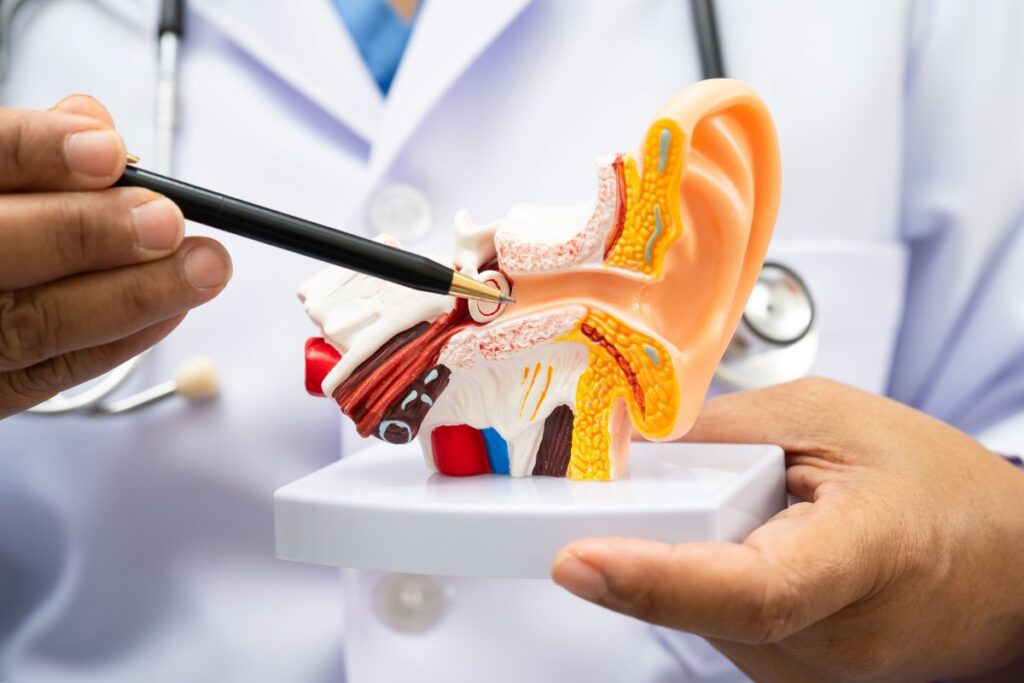
Blocked ears from earwax can significantly affect hearing test results, and you might not even realise you have a blockage.
Earwax buildup physically blocks sound from reaching your eardrum. This causes conductive hearing loss – sound can’t get through the ear canal efficiently. On a hearing test, this shows up as reduced hearing sensitivity, but it’s not actually a problem with your hearing mechanism – it’s just a blockage.
The tricky part is that earwax blockages don’t always cause obvious symptoms. You might have significant wax buildup that’s affecting your hearing without experiencing discomfort, fullness, or other typical signs.
This is why many audiologists check for earwax before conducting hearing tests. A quick examination with an otoscope reveals whether wax is an issue. If it is, clearing it before testing ensures accurate results.
Recent Loud Noise Exposure
If you’ve been exposed to loud noise within 24 hours of your hearing test – a concert, construction work, loud machinery, even mowing the lawn – your hearing might be temporarily affected.
Temporary threshold shift (TTS) is when your hearing sensitivity decreases following noise exposure. Your ears essentially get fatigued and don’t respond as well to sounds until they’ve had time to recover. This can take anywhere from a few hours to a full day.
Testing during temporary threshold shift makes your hearing look worse than it actually is long-term. You might show results suggesting you need hearing aids when actually you just need to give your ears a rest and retest in a few days.
This is why audiologists typically ask about recent noise exposure before testing. If you’ve been to a festival or worked with power tools the day before, it’s worth rescheduling to get accurate baseline results.
Illness and Congestion
Colds, allergies, sinus infections – anything that causes congestion or inflammation in your Eustachian tubes can temporarily affect hearing test results.
When your Eustachian tubes are blocked or swollen, pressure builds up in your middle ear. This changes how your eardrum vibrates in response to sound, reducing your hearing sensitivity. Like earwax, this creates temporary conductive hearing loss that resolves once the congestion clears.
Testing while you’re congested produces results that don’t reflect your normal hearing. Once you’re better, your hearing returns to baseline, but the test results suggested you had hearing loss.
If you have a cold or allergies on the day of your hearing test, mention it. Your audiologist might recommend rescheduling or will at least note that results may be affected by congestion.
Medications
Certain medications can affect hearing, either temporarily or permanently. Some common ones include:
High-dose aspirin: Can cause temporary hearing loss and tinnitus that resolves when you stop or reduce the dose.
Some antibiotics: Particularly aminoglycosides, which can cause permanent hearing damage with prolonged use.
Loop diuretics: Used for heart conditions and high blood pressure; can affect hearing temporarily.
Some chemotherapy drugs: Known to be ototoxic (damaging to hearing).
If you’re taking any medications regularly, inform your audiologist. They need to know because medication-related hearing changes can complicate test interpretation.
Fatigue and Concentration
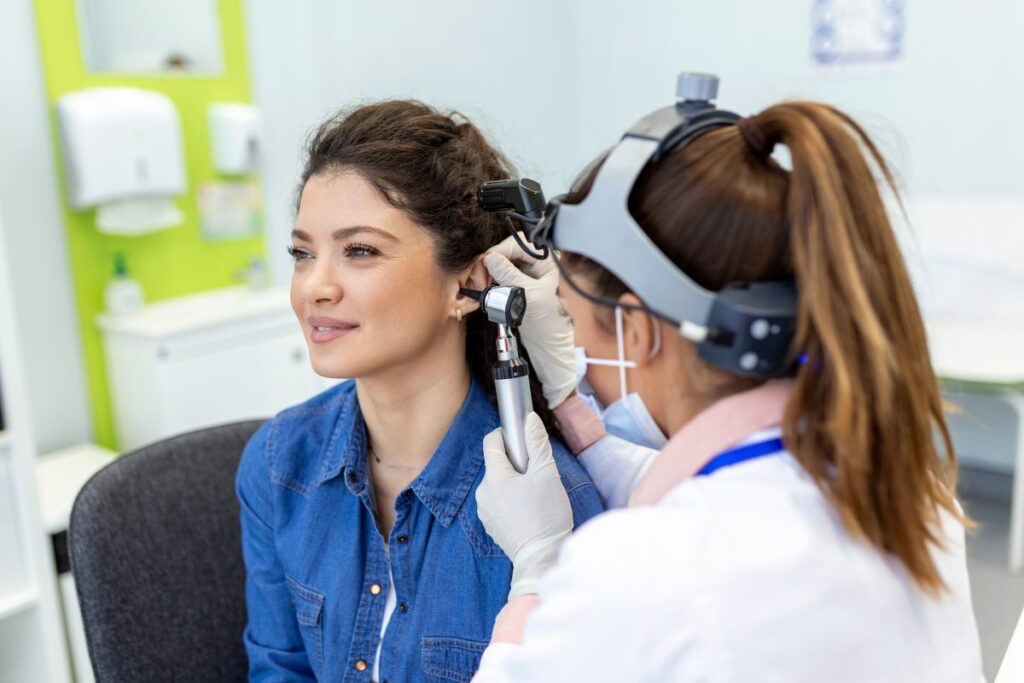
Hearing tests require sustained attention and concentration. You need to focus and respond accurately to faint sounds for 20-30 minutes.
When you’re tired, stressed, or distracted, your response time slows and you might miss quiet sounds you’d normally detect. This isn’t because you can’t hear them – your brain just isn’t processing and responding efficiently.
Testing when you’re exhausted, sleep-deprived, or highly stressed can produce results that underestimate your actual hearing ability. Schedule tests for times when you’re well-rested and can focus properly.
Age and Cognitive Function
For older adults, cognitive factors can influence hearing test performance in ways that don’t reflect pure hearing ability.
Processing speed naturally slows with age. You might hear the test tone perfectly fine but take longer to register it and raise your hand. If the tone has already stopped by the time you respond, the tester might think you didn’t hear it.
Memory issues can also affect tests that involve repeating words or sentences. Difficulty remembering what was said isn’t the same as not hearing it, but it can complicate result interpretation.
Good audiologists account for these factors and adjust their testing approach for older patients. They might use longer tone durations or verbal confirmation rather than hand-raising to ensure cognitive processing doesn’t confound hearing assessment.
Previous Ear Surgery or Damage
If you’ve had ear surgery, eardrum perforations, or structural damage from injury or chronic infection, this affects how your ears respond during testing.
Scarring on the eardrum changes how it vibrates. Previous surgery might have altered your ear canal or middle ear bones. These structural changes create patterns in hearing tests that need expert interpretation.
Your audiologist needs to know your ear history to properly interpret results. What looks like hearing loss might actually just be normal variation for someone with your particular ear anatomy.
The Testing Equipment Itself
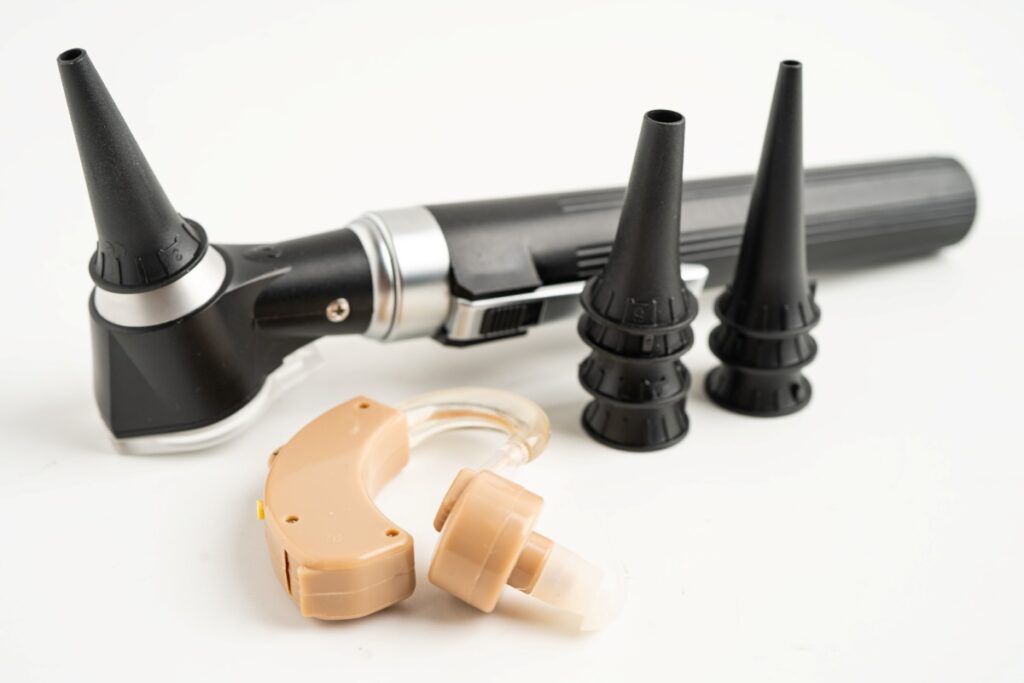
Not all hearing test equipment is equal. Poorly calibrated audiometers can produce inaccurate results.
Audiometers need regular calibration to ensure the test tones are played at precisely the correct volume and frequency. If calibration is off even slightly, your results won’t accurately reflect your hearing thresholds.
Headphones also matter. Worn-out or improperly fitting headphones can leak sound or create pressure points that affect how you perceive the test tones.
Reputable audiology clinics maintain and calibrate their equipment regularly. This is part of why professional testing is more reliable than smartphone apps or online hearing tests.
Test Anxiety and Expectations
Some people get genuinely anxious during hearing tests, worried about what the results might show. This anxiety can affect performance.
Heightened stress increases muscle tension, changes breathing patterns, and makes it harder to concentrate. You might second-guess yourself – “Did I hear that or imagine it?” – leading to inconsistent responses.
On the flip side, if you expect to have hearing loss (maybe because of family history or age), you might unconsciously respond in ways that confirm those expectations. This psychological factor is subtle but real.
Good audiologists create a relaxed testing environment and clearly explain what to expect. Understanding the process reduces anxiety and helps ensure accurate, consistent responses.
Time of Day
Your hearing actually fluctuates slightly throughout the day. Some people hear marginally better in the morning, others in the afternoon or evening.
The fluctuations are usually minimal – we’re talking 5-10 decibels at most – but for someone with borderline hearing loss, this could shift results from “normal” to “mild loss” or vice versa.
Consistency matters for comparison. If you’re tracking hearing changes over time, testing at roughly the same time of day each time reduces this variable.
How to Ensure Accurate Results
Want the most reliable hearing test results? Here’s what to do:
Avoid loud noise for at least 24 hours before testing. Clear any earwax buildup first – your audiologist can help with this. Reschedule if you’re ill, congested, or dealing with a cold.
Get plenty of sleep the night before. Schedule your test for a time when you can focus and won’t be rushed. Inform your audiologist about any medications you’re taking, recent ear problems, or previous ear surgery.
For comprehensive assessment, book a professional hearing assessment here where proper soundproof environments and calibrated equipment ensure reliable results.
The Bottom Line
Hearing test results can be affected by earwax, background noise, recent loud noise exposure, illness, medications, fatigue, and even what you ate for breakfast (caffeine and blood sugar affect concentration).
Most of these factors are controllable. Clear your ears of wax, avoid loud noise beforehand, reschedule if you’re sick, and make sure you’re well-rested. Choose a reputable clinic like us, with proper soundproof testing facilities and regularly calibrated equipment.