On This Page
If you wear hearing aids, you probably already understand that hearing health isn’t a one-and-done sort of thing. It’s ongoing. A process. Something that changes – sometimes subtly, sometimes not so subtly – over time. Which raises an important question: how often should you have a hearing test if you wear hearing aids?
The answer, like many things in healthcare, depends. But there are some clear guidelines worth knowing – especially if your aim is to keep your devices working at their best, and your hearing sharp enough to fully engage with the world around you.
Let’s unpack it properly.
Your Hearing Changes – Even With Hearing Aids

This might seem obvious, but it’s worth stating directly: hearing aids do not stop your hearing from changing. They help manage hearing loss – they do not cure it. Your hearing may improve functionally (you’re hearing more sounds, catching more words), but the underlying hearing loss can continue to shift. Sometimes slowly, sometimes rapidly.
Factors like age, noise exposure, certain medical conditions, and even medication can all influence your hearing over time. This is why regular testing isn’t just helpful – it’s essential.
We don’t want to be dramatic, but here’s the reality: if your hearing has changed and your devices are still set to your old baseline, you’re not getting the full benefit. You may start to feel like your aids aren’t working properly, when in fact, they simply need to be reprogrammed to reflect your current hearing profile.
So, How Often Should You Get Tested?
Most people who wear hearing aids should have a comprehensive hearing test at least once a year. Every six to nine months may suit you better after recent hearing changes, new tinnitus or dizziness, or a condition that affects the ears — hearing loss is around twice as common with diabetes.
For most people wearing hearing aids, we recommend a comprehensive hearing test at least once a year. Some individuals may benefit from more frequent testing – every 6 to 9 months – particularly if they’ve had recent changes in hearing, new symptoms (like tinnitus or dizziness), or a medical condition that impacts ear health (such as diabetes, cardiovascular disease, or certain autoimmune disorders).
That said, this isn’t a hard rule. If everything feels stable, your devices are functioning well, and you’re not experiencing any new difficulties, then annual testing is usually sufficient. The goal is to stay ahead of any changes – not react after the fact.
If you’re unsure, speak to your audiologist. Yes, we’re biased – but also, we’re trained to spot early signs that others might miss.
Regular Testing Helps Keep Your Hearing Aids Optimised

Here’s something that doesn’t get said enough: hearing aids are only as good as the programme they’re running. And that programme is based on the results of your most recent hearing test. If your hearing has changed, but your aids haven’t been adjusted accordingly? That’s a problem.
Re-testing allows us to fine-tune your devices – not just volume, but frequency-specific gain, background noise filtering, and other parameters that make a real difference in daily use. Sometimes the changes are minor; other times they’re transformative.
In some cases, your hearing may have changed so much that your current aids are no longer the best fit for your needs. It’s not always about repair – sometimes it’s about reassessing. You can always see hearing aid options available if you’re curious about what’s new on the market.
(And yes, the technology has come a long way – especially in the last 3 to 5 years.)
It’s Not Just About the Numbers
A good hearing test doesn’t stop at the audiogram. We also want to know how you’re doing with speech understanding, especially in noisy environments – because many people with hearing aids still struggle in group conversations, cafés, or busy shops.
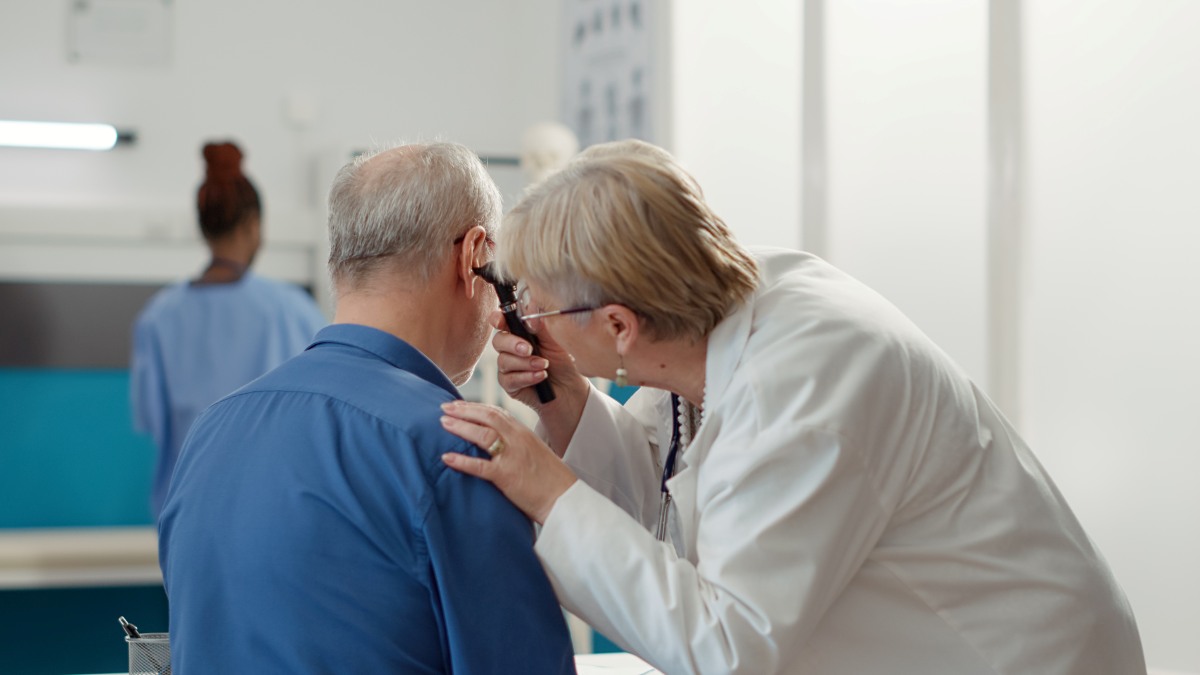
We may also assess your balance, middle ear function, or tinnitus symptoms depending on your situation. In other words, this is not a quick in-and-out box-ticking exercise. It’s a full hearing health review.
And sometimes, hearing issues are a symptom of something else entirely – like impacted earwax (easily fixed), or in rare cases, neurological concerns. Testing keeps us alert to these possibilities. It’s about whole-person care, not just decibel levels.
What If Everything Feels Fine?
It's still worth testing. The brain adapts to gradual hearing loss, so you may not notice sounds slipping away until conversations feel tiring or draining. A routine check catches subtle shifts you'd otherwise miss and lets your audiologist fine-tune your aids — much like visiting the optician when your vision seems unchanged.

Even if you feel your hearing is “okay,” that doesn’t mean testing isn’t worthwhile. Our brains are very good at adapting to gradual hearing loss. You might not notice you’re missing things – until you start to feel socially fatigued, frustrated, or detached from conversations.
We hear this often: “I didn’t realise how much I wasn’t hearing until I got tested again.” It’s not your fault – that’s just how hearing loss works. Subtle shifts are easy to ignore, and that’s exactly why regular check-ups matter.
Think of it like going to the optician even when your vision seems unchanged – sometimes there are adjustments to be made that you didn’t know you needed.
Bottom Line: Make It Routine
To summarise (though we hate the word “summary” – it implies things are simple), here’s what we recommend:
- If you wear hearing aids: once a year minimum, more often if you’ve noticed changes.
- If you’ve had sudden hearing loss, new symptoms, or a significant health change: get tested promptly.
- If it’s been more than 12 months since your last hearing test: you’re due.
Hearing care isn’t passive. It’s active, evolving, and worth taking seriously – especially if you’ve already invested in hearing aids. Maintaining your devices, adapting to changes, and continuing to hear life as fully as possible… that’s what good audiology is about.
If you’re ready to book your next appointment, you know where to find us. (But just in case – yes, we’re in London. Yes, we’re thorough. And yes, we’ll make you a cup of tea.)