On This Page
- Before You Arrive
- The Initial Examination
- The Microsuction Process Itself
- What It Feels Like
- How Long It Takes
- Immediately After
- Potential Side Effects
- What Happens Next
- Microsuction vs Other Methods
- Preparing Mentally
- The Bottom Line
- FAQs
- Does microsuction hurt?
- Can both ears be done in one appointment?
- What if I’m nervous about loud noises?
- Is microsuction safe if I have a perforated eardrum?
- How often will I need microsuction?
- Can I drive afterwards?
If you’ve been told you need ear microsuction, you’re probably curious about what actually happens. In fact, the procedure itself is straightforward and generally quite quick, but knowing what to expect beforehand helps ease any nervousness about someone poking around inside your ears with equipment. Most people find the whole thing far less dramatic than they’d imagined, though it’s not always the most comfortable few minutes of your week.
Before You Arrive
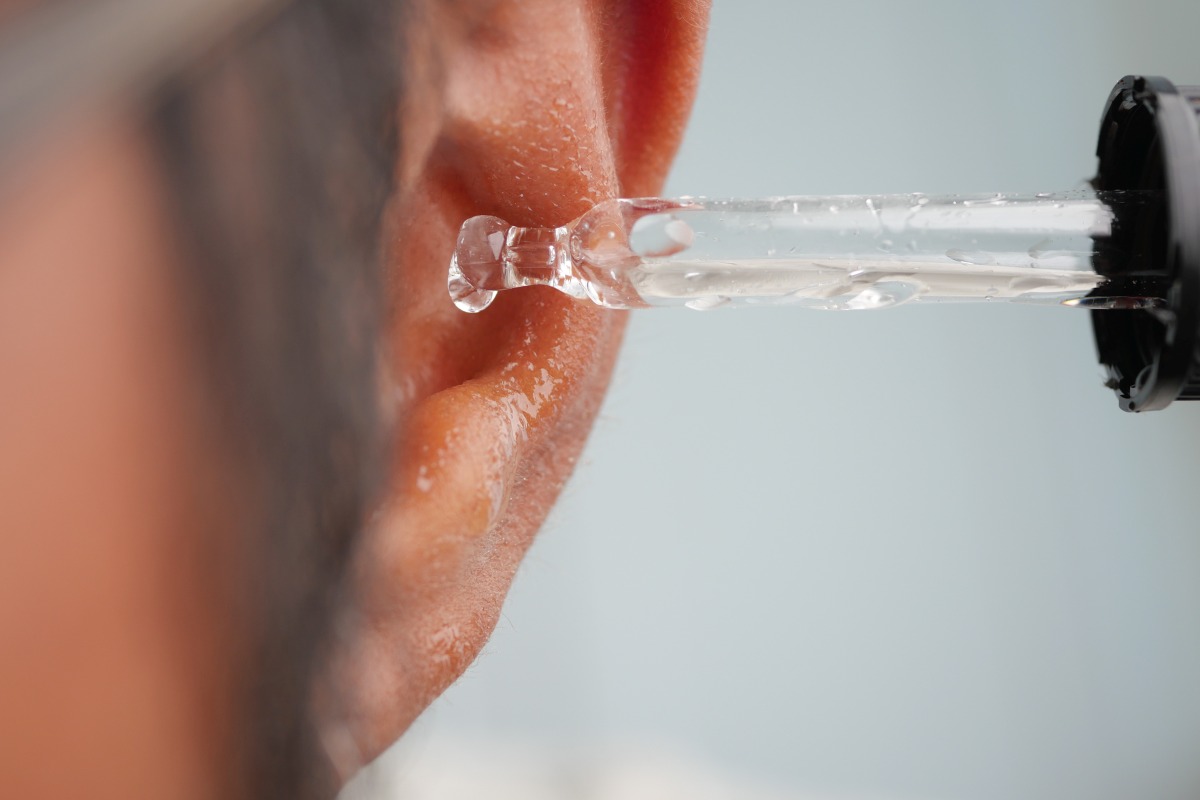
Some clinics ask you to use olive oil drops or specific ear drops for a few days before your appointment, which softens earwax and makes removal easier – if you’ve been given this advice, actually following it makes a real difference to how smoothly the procedure goes. Hard, compacted wax is more difficult to remove and can make the appointment take longer or require multiple sessions.
Using ear drops before microsuction isn’t always necessary if your wax is already soft, but practitioners can usually tell you during booking whether preparation helps. Don’t use cotton buds or try to clean your ears yourself before the appointment; you’ll likely just push wax deeper, making the job harder.
Wear comfortable clothing and avoid wearing lots of hairspray or perfume – you’ll be sitting fairly still with someone working very close to your face, and strong scents in a small treatment room can be overwhelming for everyone involved.
The Initial Examination

Your appointment starts with the practitioner asking about your symptoms – whether you’re experiencing hearing loss, pain, discharge, or just a feeling of fullness. They’ll want to know if you’ve had ear problems before, any relevant medical history like perforated eardrums, and whether you’ve tried anything to address the issue yourself.
They’ll look in your ears using an otoscope (a light with a magnifying lens) to assess what’s actually there. Sometimes what feels like blocked ears turns out to be something else entirely, or the wax isn’t actually blocking your ear canal enough to warrant removal. The examination shows them the amount and consistency of wax, whether it’s near your eardrum, and if there are any complications like infections or perforations that would change how they proceed.
This bit is completely painless – it’s just someone shining a light in your ear whilst having a look. They’ll explain what they can see and whether microsuction is appropriate or if they’re recommending something else.
The Microsuction Process Itself
Microsuction uses a small vacuum attached to a thin tube to gently suction wax out of your ear canal. The practitioner looks into your ear through a microscope or loupes (magnifying glasses) whilst they work, giving them a clear view of exactly what they’re doing. The suction tube is much finer than you’d probably imagine – not like a vacuum cleaner hose, more like a thin straw.
You’ll hear a loud noise during the procedure because the suction device is right next to your eardrum – it’s similar to a vacuum cleaner sound but much closer and therefore louder. Some people find this uncomfortable or slightly unsettling, but it’s not painful. The sound is usually worse than any physical sensation; the outer part of your ear canal is relatively insensitive, so you mostly feel pressure and hear noise rather than pain; the skin deeper in the canal and the eardrum are more sensitive.
The practitioner works carefully and slowly, removing wax in small amounts rather than trying to hoover everything out at once. They’ll pause periodically to check progress and ensure they’re not missing anything or causing irritation. If you’ve got wax near your eardrum, they’re particularly cautious because the eardrum is delicate and they need to work around it without touching it with the suction tube.
What It Feels Like
Most people describe the sensation as odd rather than painful – there’s pressure, a feeling of movement in your ear, and that very loud vacuum sound. Some describe brief sharp sensations if the suction touches particularly sensitive spots in the ear canal, but these are momentary rather than sustained pain.
The whole thing is a bit weird because someone’s doing something inside your ear whilst you sit perfectly still – there’s an element of having to trust the practitioner and resist the urge to pull away. If anything genuinely hurts rather than just feeling strange, tell them immediately; microsuction shouldn’t be painful, and if it is, something needs adjusting.
Your ear might feel ticklish or sensitive during the process. Some people report a slight dizziness if the suction stimulates the vestibular system (your balance system), but this typically passes immediately once they stop. The practitioner can take breaks if you need them.
How Long It Takes

A straightforward microsuction appointment might take 15-20 minutes total, including examination and both ears if needed. Complicated cases with heavily impacted wax, narrow ear canals, or previous ear surgery might take longer – possibly 30-40 minutes if they’re working carefully around complications.
Sometimes wax is too hard or impacted to remove in one session even with preparation, requiring you to use drops for another week and return. This isn’t common but it happens occasionally with very stubborn wax or if you’ve not used preparation drops as advised.
Immediately After
Your hearing often improves dramatically and immediately – people describe it as suddenly hearing in high definition after everything being muffled. It can actually be a bit overwhelming at first; normal environmental sounds seem quite loud when you’ve been hearing through a wax barrier for weeks or months.
Your ears might feel slightly tender or sensitive afterwards, like they’ve been mildly irritated – this usually settles within a few hours. Some people experience slight dizziness or a whooshing sensation that passes quickly. Avoid getting water in your ears for 24 hours after microsuction since your ear canals have just been thoroughly cleaned and are potentially more vulnerable to infection.
The practitioner will show you what they’ve removed (if you want to see – some people are curious, others would rather not). They’ll check your ears again with the otoscope to ensure everything’s been removed and your ear canals and eardrums look healthy.
Potential Side Effects
Minor side effects are relatively common but temporary – slight soreness in the ear canal, temporary dizziness, or your ear feeling sensitive to sound for a few hours. These typically resolve without any treatment needed.
Very occasionally, microsuction can cause minor trauma to the ear canal skin if it’s particularly sensitive or if wax was very firmly stuck – this might result in slight bleeding or increased soreness, but it heals quickly. Serious complications like perforated eardrums are extremely rare with properly trained practitioners working carefully.
If you develop pain that worsens rather than improving, discharge, or ongoing problems after your appointment, contact the clinic – these might indicate infection or other issues requiring attention.
What Happens Next

If your hearing doesn’t improve or you’re still experiencing symptoms after wax removal, the practitioner will discuss next steps – you might need referral for hearing tests or further investigation to understand what’s causing your issues. Sometimes people assume their hearing problems are just wax when there’s actually underlying hearing loss that becomes apparent once the wax is cleared.
The practitioner should advise you on preventing wax buildup in future – things like avoiding cotton buds, using olive oil drops occasionally if you’re prone to impaction, and when to seek help rather than trying to deal with it yourself.
Microsuction vs Other Methods
You might wonder why microsuction specifically rather than irrigation (ear syringing) or manual removal – microsuction is generally considered safer because the practitioner can see exactly what they’re doing throughout the process. Irrigation involves water pressure that’s more difficult to control precisely, and there’s no direct visualisation of your ear canal during the procedure.
Manual removal with instruments works for some types of wax but can be uncomfortable and isn’t suitable for all situations. Microsuction combines precision with effectiveness; it’s the preferred method for most practitioners when equipment is available. If you’re interested in professional ear cleaning services, microsuction is typically what’s offered for its safety and effectiveness.
Preparing Mentally
If you’re anxious about the appointment, remember that practitioners do this dozens of times daily – your blocked ears aren’t unusual or dramatic to them, even if they feel significant to you. They’re trained to work quickly and carefully whilst making the process as comfortable as possible.
You can ask questions at any point during the appointment. If you need them to stop briefly, just raise your hand or say so; good practitioners check in regularly anyway to ensure you’re comfortable. Some people bring someone with them for moral support, which is absolutely fine if it helps you feel calmer.
The Bottom Line
Ear microsuction appointments are routine procedures that resolve blocked ears quickly and safely in most cases – the anticipation is usually worse than the reality. You’ll hear loud vacuum sounds and feel odd sensations, but the whole thing is generally over in 20 minutes and your hearing improves immediately.
Choose reputable clinics with properly trained practitioners using appropriate equipment; this isn’t something to get done cheaply at questionable venues just to save money. Proper microsuction by qualified people is safe and effective; rushed procedures by inadequately trained practitioners carry unnecessary risks.
The relief of actually being able to hear properly again after weeks or months of muffled sound makes the brief discomfort entirely worthwhile – most people wish they’d done it sooner rather than putting up with blocked ears for as long as they did.
FAQs
Does microsuction hurt?
Microsuction should not be painful. Most people describe it as odd or slightly uncomfortable rather than sore, because the outer ear canal is relatively insensitive. Deeper in, the canal skin and eardrum are more sensitive, so you may hear a loud vacuum-like sound and feel brief sharp sensations near the eardrum. Tell your practitioner if anything genuinely hurts.
Most people find it uncomfortable rather than painful – the noise is louder than pleasant and the sensation is odd, but it shouldn’t cause actual pain. Brief sharp sensations can occur but aren’t typical; tell your practitioner if you’re experiencing pain.
Can both ears be done in one appointment?
Yes. If both ears need clearing, they are normally treated in a single session: the practitioner completes one ear, gives you a short break, then does the other. A straightforward appointment covering the examination and both ears typically takes only a short time, up to around 20 minutes in total.
Yes, if both ears need treating, it’s usually done in a single session. The practitioner typically does one ear completely, lets you have a brief break, then does the other ear.
What if I’m nervous about loud noises?
Tell your practitioner beforehand. The suction sits close to your eardrum, so it does sound loud, but they can explain each step, work quickly, and pause whenever you need. Slow, controlled breathing helps many patients stay calm, and you can raise your hand to stop the procedure at any point.
Mention this to your practitioner – they can explain each step as they work, take breaks, and work as quickly as safely possible. Some people find it helpful to use calming techniques like controlled breathing during the procedure.
Is microsuction safe if I have a perforated eardrum?
Microsuction can be performed even with a perforated eardrum, but your practitioner must know beforehand so they can work with extra care. Always tell them about any perforation or previous ear surgery. Serious eardrum trauma is very rare — fewer than 1 in 10,000 cases — when trained practitioners work carefully.
Microsuction can be used with perforated eardrums but requires extra caution – the practitioner needs to know about any perforation beforehand so they can adjust their technique appropriately.
How often will I need microsuction?
It varies enormously. Some people need it only once in a lifetime, others roughly once a year, depending on how quickly they produce wax. If you are prone to build-up, putting a few drops of olive oil in your ears occasionally can soften wax and reduce how often you need professional removal.
Varies enormously – some people need it annually, others only once in their lifetime. If you’re prone to wax buildup, regular use of olive oil drops can reduce frequency of professional cleaning needed.
Can I drive afterwards?
Usually yes. Most people feel completely normal within minutes and can drive straight home. Occasionally the suction briefly stimulates your balance system, causing short-lived dizziness or vertigo — around 1 in 200 cases. If that happens, simply wait for it to settle fully before you get behind the wheel.
Usually yes, though if you experience dizziness immediately after the procedure, wait until it settles. Most people feel fine to drive within minutes of finishing.