On This Page
Ear wax, also known as cerumen, is a natural substance produced by our bodies to protect the ear canal. It helps trap dust, debris, and even small insects, preventing them from venturing too far into the ear. Ear wax also has antibacterial properties, which can help ward off infections.
While ear wax is generally beneficial, sometimes it can accumulate excessively, leading to discomfort, hearing difficulties, or even pain. So if you’re wondering how to remove ear wax, we’re going to explore the best and safest methods below. Let’s dive in!
What is Ear Wax?
Ear wax, or cerumen, is a natural substance made by glands in the outer ear canal from dead skin cells, hair and secretions. It traps dust and debris, keeps the canal lubricated and has antimicrobial properties. Normally it migrates out by itself as you chew and talk, so healthy ears are largely self-cleaning.
Before we take a look at the best removal methods, let’s take a closer look at what ear wax actually is. Imagine your ear canal as a long, winding tunnel. The outer part of this tunnel, closest to your ear opening, contains special glands that produce cerumen.
Ear wax is made up of dead skin cells, hair, and secretions from these ceruminous glands. It’s a bit like a natural “custodian” for your ears, working to keep the ear canal clean, lubricated, and protected.
Normally, ear wax works its way out of the ear canal naturally through jaw motions like chewing and talking. This process is so gradual that most people don’t even notice it happening. However, sometimes wax can build up faster than it’s expelled, leading to blockages.
When is Ear Wax a Problem?
Wax becomes a problem only when it builds up faster than the ear can clear it, blocking the canal. Tell-tale signs include a feeling of fullness, muffled or reduced hearing, earache, itching, tinnitus, and sometimes a reflex cough or dizziness. If symptoms persist or worsen, it is worth having your ears checked.

While a certain amount of ear wax is normal and healthy, excessive buildup can cause issues. Some common signs that ear wax may be a problem include:
- Feeling of fullness or stuffiness in the ear
- Muffled hearing or difficulty understanding speech
- Itching, pain, or irritation in the ear canal
- Tinnitus (ringing or buzzing in the ear)
- Coughing, due to stimulation of a nerve in the ear canal
If you experience any of these symptoms, it’s important to address the issue promptly to prevent further discomfort or potential complications.
The Best and Safest Methods to Remove Ear Wax
When it comes to removing ear wax, there are both professional and at-home options available. Let’s explore some of the safest and most effective methods.
Professional Removal Options
If you’re dealing with significant ear wax buildup or have a history of ear issues, it’s always best to seek professional help. Your GP or a qualified audiologist can assess your ears and determine the best course of action.
Some common professional ear wax removal methods include:
- Irrigation: This involves using a gentle stream of warm water to flush out the ear canal. The water is typically applied using a specialised syringe or a pulsing device.
- Microsuction: In this method, a tiny vacuum is used to gently suction out the ear wax. This is often performed under magnification for precision and safety.
- Curettage: For particularly stubborn wax, a curette (a small, curved instrument) may be used to gently scoop out the blockage. This method requires a steady hand and should only be performed by a trained professional.
At-Home Removal Methods
For milder cases of ear wax buildup, there are a few safe methods you can try at home. However, it’s crucial to approach at-home removal with caution and gentleness to avoid damaging your delicate ear canal.
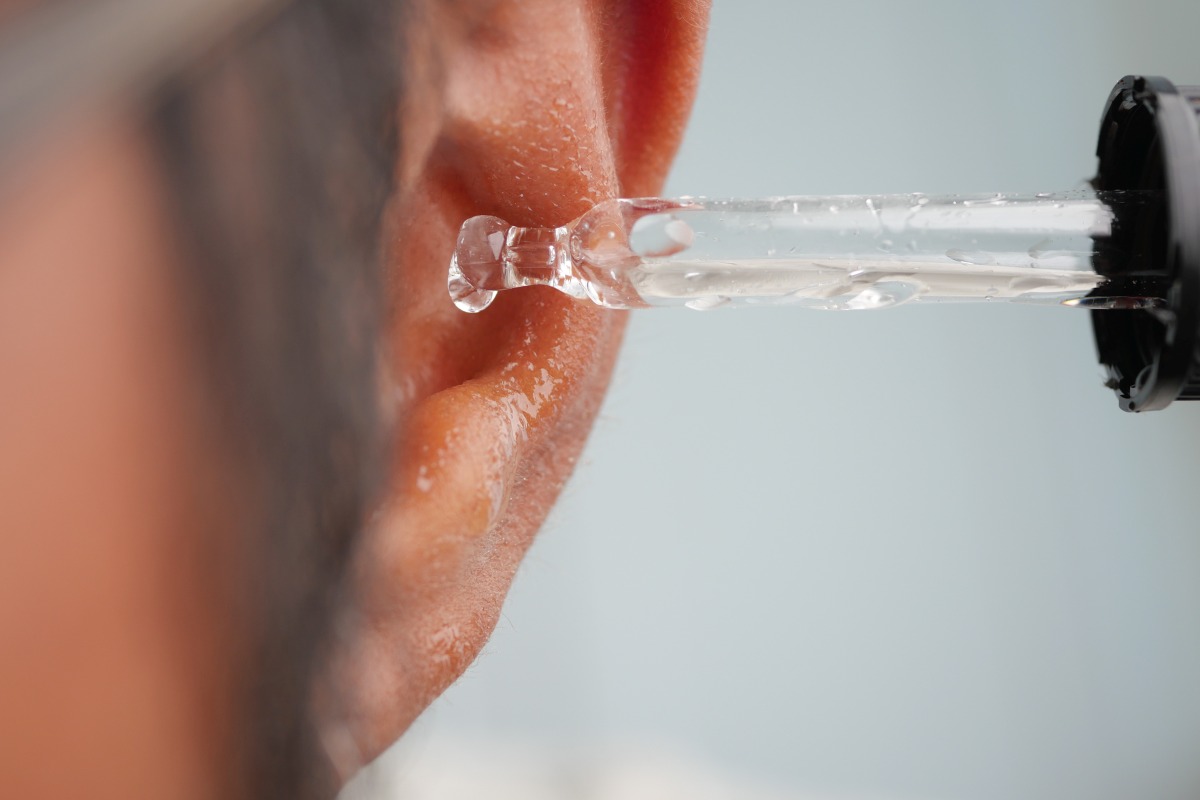
- Softening drops: Over-the-counter ear drops can help soften and loosen ear wax, making it easier to remove naturally. Plain olive or almond oil is the NHS first-line choice, and sodium bicarbonate drops are another option; hydrogen-peroxide drops can cause short-lived irritation or dizziness in some people and are not clearly better. Follow the instructions on the package carefully.
- Irrigation: Current UK guidance (NICE) advises against removing earwax by manual syringing or home flushing, because of the risk of eardrum damage and infection. If softening drops are not enough, have the wax cleared professionally — microsuction is done under direct vision and avoids these risks.
- Wet wipe: For minor wax buildup, you can try gently wiping the outer part of your ear canal with a damp washcloth or tissue. Avoid pushing the cloth or tissue too far into the ear, as this can actually push the wax deeper.
Remember, the golden rule of at-home ear wax removal is to never insert anything directly into your ear canal, whether it’s a cotton swab, hairpin, or any other object. Doing so can push the wax further in, causing blockages or even damaging your eardrum.
Tools and Products to Avoid

While it may be tempting to reach for common household items to remove ear wax, many of these can actually do more harm than good. Here are a few “tools” to avoid:
- Cotton swabs: Despite being commonly associated with ear cleaning, cotton swabs are a big no-no. They can push wax deeper into the ear canal, causing blockages or injuries.
- Ear candles: These hollow candles claim to “draw out” ear wax through heat and suction. However, there’s no scientific evidence to support their effectiveness, and they can cause burns or even puncture the eardrum.
- Pointed objects: Hairpins, keys, toothpicks, or any other sharp objects should never be inserted into the ear canal. They can easily cause scratches, cuts, or even puncture the eardrum.
When to Seek Medical Help
While many cases of ear wax buildup can be managed at home or with routine professional care, there are times when it’s important to seek prompt medical attention.
Warning Signs of Complications
See your doctor immediately if you experience:
- Severe pain in or around your ear
- Sudden hearing loss
- Dizziness or vertigo
- Fluid or blood draining from your ear
- Fever or chills along with ear pain
These symptoms could indicate a more serious issue, such as an ear infection or a perforated eardrum, which require swift medical treatment.
Importance of Regular Check-Ups
Even if you’re not experiencing any obvious signs of ear wax buildup, it’s a good idea to have your ears checked regularly by a professional. They can spot potential issues early and provide personalised advice on maintaining optimal ear health.
Tips for Maintaining Ear Health

In addition to regular check-ups and prompt treatment of ear wax buildup, there are a few simple things you can do to keep your ears healthy and happy:
Daily Ear Care Practices
- Gently wipe the outer part of your ear canal with a soft, damp cloth after showering or bathing.
- If you’re prone to excessive wax buildup, consider using a few drops of mineral oil or olive oil once a week to help soften the wax.
- When using earplugs or headphones, make sure they’re clean and inserted gently to avoid pushing wax further into the ear canal.
What to Avoid
- Never attempt to “dig out” ear wax with cotton swabs, hairpins, or other objects.
- Avoid getting water directly in your ears when swimming or bathing. Consider using swim plugs or a swim cap to minimise water exposure.
- If you have a history of ear issues or surgeries, always check with your doctor before trying any at-home ear wax removal methods.
Final Thoughts
Ear wax may not be the most glamorous topic, but it plays a crucial role in maintaining the health and function of our ears. By understanding the best and safest ways to manage ear wax buildup, you can keep your ears in top shape and avoid potential complications.
Remember, if you’re ever unsure about how to handle ear wax or are experiencing concerning symptoms, don’t hesitate to seek professional advice. Your hearing is precious, and it deserves the best possible care.
If you’re in the London area and looking for expert ear wax removal or high quality hearing aids, reach out to our friendly team at VIP Hearing Solutions. We’re here to help you on your journey to clearer, more comfortable hearing.