
On This Page
- What Olive Oil Actually Does for Earwax
- How to Use Olive Oil for Earwax Safely
- Does Olive Oil Treat Ear Infections?
- When You Shouldn’t Use Olive Oil in Your Ear
- Olive Oil vs Other Earwax Treatments
- How Long Does It Take to Work?
- Can You Use Other Oils Instead?
- What If the Wax Gets Worse?
- Professional Ear Wax Removal
- Preventing Earwax Buildup
- The Bottom Line
Olive oil in your ear sounds like one of those weird home remedies your gran swears by, right up there with putting butter on burns or drinking pickle juice for cramps. But here’s the thing – using olive oil for earwax is actually backed by medical professionals and has been used for literally centuries.
That said, there’s a lot of confusion about what olive oil can and can’t do for your ears. Can it remove earwax? Yes, sort of. Can it treat ear infections? Absolutely not. And if you use it incorrectly, you can make things worse rather than better.
So let’s clear up the facts about putting olive oil in your ear – when it works, when it doesn’t, and how to do it safely if you’re going to try it.
What Olive Oil Actually Does for Earwax
Olive oil doesn’t dissolve or remove earwax on its own. What it does is soften hardened earwax, making it easier for your ear’s natural cleaning mechanism to push it out.
Your ear canal is self-cleaning. The skin inside grows in a specific pattern that naturally moves earwax and debris outward toward the ear opening. But when earwax gets too dry and hard, it can’t move properly – it gets stuck and builds up, potentially blocking your ear canal.
Olive oil moisturises and softens this hardened wax. Once softened, the wax can either work its way out naturally over a few days, or it becomes easier to remove through other methods like irrigation or manual removal by a professional.
The key is understanding that olive oil is a wax softener, not a wax remover. You’re not going to put olive oil in your ear and have wax just pour out. It’s a gradual process that requires patience.
How to Use Olive Oil for Earwax Safely
If you’re going to try olive oil for earwax, here’s how to do it properly:
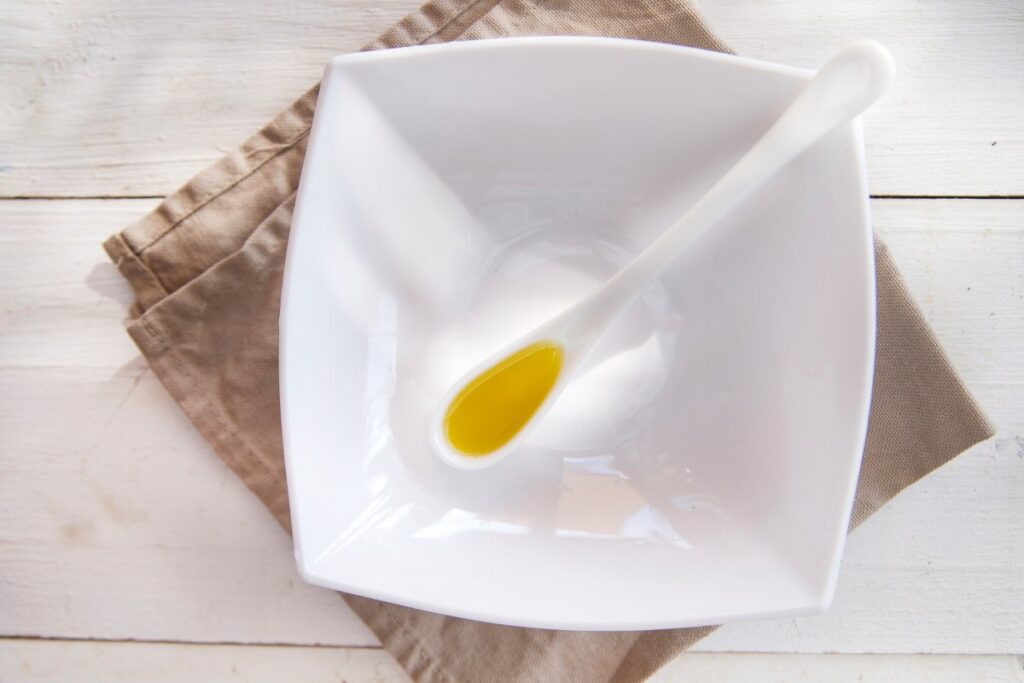
Use medical-grade olive oil from a pharmacy, or regular extra virgin olive oil that you’ve warmed slightly to body temperature. Cold oil feels awful in your ear and can cause dizziness; oil that’s too hot can burn. Test it on your wrist first – it should feel warm but not hot.
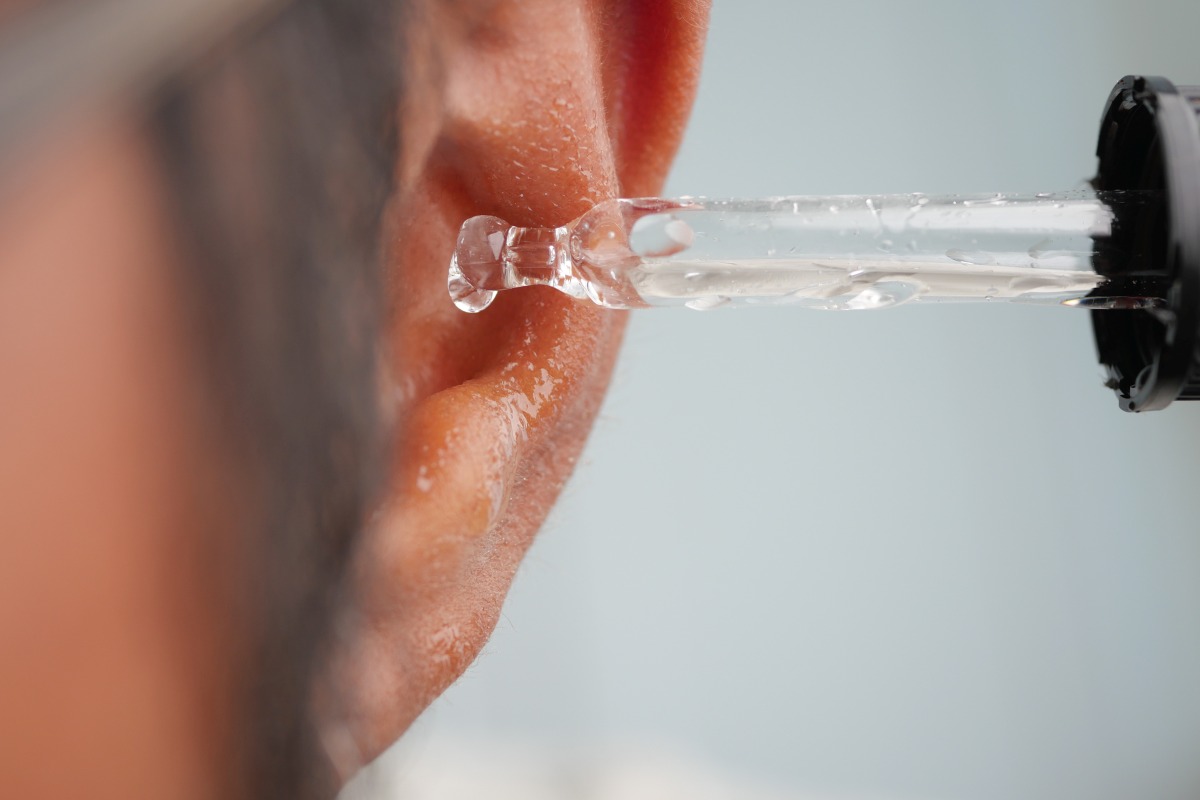
Lie on your side with the affected ear facing up. Using a clean dropper, put 2-3 drops of oil into your ear canal. Stay lying down for 5-10 minutes to let the oil work its way in and coat the earwax.
Wipe away any excess oil that drains out, but don’t try to clean deep into the ear canal. Repeat this once or twice daily for 3-5 days.
After several days of treatment, the softened wax should start working its way out naturally. You might notice wax on your pillow or cotton wool when you clean the outer ear. This is normal and means it’s working.
Does Olive Oil Treat Ear Infections?
No. Olive oil is not an effective treatment for an ear infection: there is no good evidence it clears one, and it cannot reach an infection behind the eardrum. Infections need proper assessment, with antibiotic, antifungal or steroid drops as appropriate. If you have earache, discharge, fever or hearing loss, please see a doctor rather than reaching for oil.
No. Absolutely not. Olive oil has no antibacterial or antiviral properties that would treat an ear infection.
Ear infections involve bacteria or viruses multiplying in your middle ear (behind the eardrum) or outer ear canal. These infections require actual medical treatment – antibiotics for bacterial infections, antiviral medication for viral ones, or specific treatments for fungal infections.
Putting olive oil in an infected ear won’t help and might make things worse by creating a warm, moist environment where bacteria can thrive even more. If you have an ear infection, you need to see a doctor.
Signs of an ear infection include pain, discharge from the ear, fever, hearing loss, and feeling generally unwell. None of these are appropriate for home treatment with olive oil.
When You Shouldn’t Use Olive Oil in Your Ear
There are several situations where putting olive oil in your ear is a bad idea:
Perforated eardrum: If you have a hole in your eardrum (from injury, infection, or previous surgery), don’t put anything in your ear without medical guidance. Oil can get into your middle ear and cause problems.
Ear infection: As mentioned, olive oil won’t treat infection and might make it worse.
Ear drainage: If your ear is actively draining fluid, pus, or blood, something is wrong. See a doctor instead of trying home remedies.
Grommets or ear tubes: If you have ventilation tubes in your eardrums, don’t use olive oil without asking your doctor first.
Severe pain: Significant ear pain needs professional assessment, not olive oil.
Olive Oil vs Other Earwax Treatments
Olive oil is one of several options for managing earwax buildup. How does it compare?
Olive oil vs commercial ear drops: Medical ear drops often contain ingredients like hydrogen peroxide or carbamide peroxide that actively break down wax, though there is little reliable evidence that active drops work faster or better than plain oil. Olive oil is gentler, cheaper, and has fewer side effects.
Olive oil vs water irrigation: Irrigation physically flushes out wax using water pressure. It’s faster than olive oil but carries risks if done incorrectly – perforated eardrums, infections, damage to the ear canal. Olive oil is much safer for home use.
Olive oil vs manual removal: Having earwax professionally removed (by microsuction or manual extraction) is the most effective method and provides immediate relief. But it requires an appointment and costs money. Olive oil is a reasonable first attempt for mild buildup.
The safe way to remove ear wax often involves softening with olive oil first, then professional removal if the wax doesn’t clear naturally.
How Long Does It Take to Work?
Be patient, because olive oil is gradual, not instant. Most people need at least 3 to 5 days of regular drops before hardened wax softens and starts working its way out, and stubborn build-up can take a week or more. If your ear still feels blocked after a full week, it is time for professional removal.
Patience is crucial with olive oil treatment. Don’t expect instant results. Most people need to use olive oil for at least 3-5 days before seeing significant improvement. Some cases of severe wax buildup might need a week or more of treatment.
If you’ve used olive oil correctly for a full week and your ear still feels blocked, the wax is probably too impacted for home treatment. At that point, professional removal is your best option.
Can You Use Other Oils Instead?
Yes. Almond oil works just as well and is often recommended by clinicians, while plain mineral oil is another readily available option (avoid almond oil if you have a nut allergy). Skip essential oils, fragranced products and coconut oil, which solidifies when cool. Keep it simple: a plain, warmed, additive-free oil is safest for your ear.
Olive oil isn’t the only option. Other oils can work similarly:
Almond oil: Works just as well as olive oil for softening wax and is often recommended by doctors.
Mineral oil: Another effective option that’s readily available.
Baby oil: Essentially mineral oil with added fragrance. It works fine but the fragrance is unnecessary and might irritate sensitive ears.
What you shouldn’t use: essential oils, coconut oil (which solidifies at cooler temperatures), or any oil with added ingredients or fragrances. Keep it simple and safe.
What If the Wax Gets Worse?
It can briefly feel worse, because oil makes dry wax swell before it softens, so the ear may feel more blocked for a day or two. This usually settles as the wax drains. But if hearing drops noticeably, pain develops, or the blockage lasts beyond a week, stop the oil and seek professional help.
Sometimes using olive oil seems to make things worse temporarily – your ear feels more blocked than before. This happens because the oil swells the dry wax before it softens it. The wax gets bigger and blocks your ear more completely.
This is usually temporary and resolves as the wax continues to soften and drain. But if your hearing gets significantly worse, you develop pain, or the blockage persists for more than a week, stop using olive oil and seek professional help.
Professional Ear Wax Removal
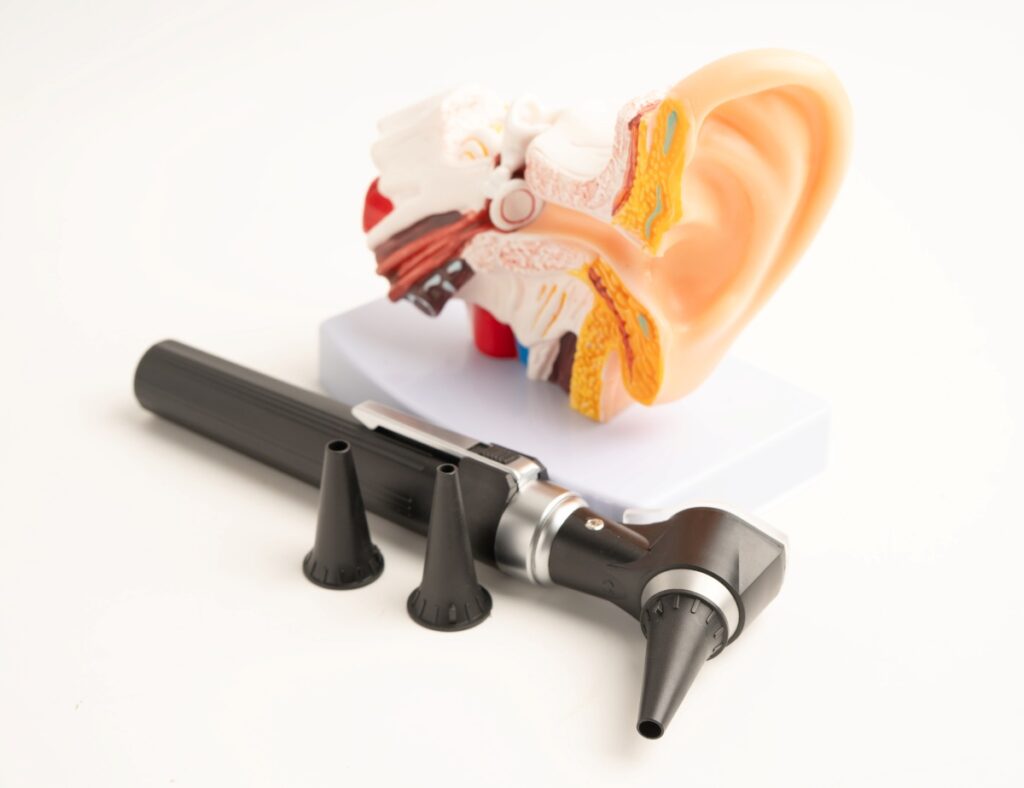
If olive oil doesn’t solve your earwax problem after a week of treatment, it’s time to see a professional.
Audiologists and ear care specialists can remove stubborn earwax using methods that are quick, safe, and effective:
Microsuction: Uses gentle suction to remove wax while viewing the ear canal through a microscope. It’s precise, comfortable, and works even for severely impacted wax.
Manual removal: Uses special instruments to carefully extract wax under direct visualisation.
Irrigation: Flushes out softened wax with water – most effective after several days of olive oil treatment.
For safe ear care treatments, professional removal ensures the wax is completely cleared without risk of pushing it deeper or damaging your ear canal.
Preventing Earwax Buildup
Once you’ve dealt with a wax blockage, you probably want to avoid dealing with it again. Some prevention tips:
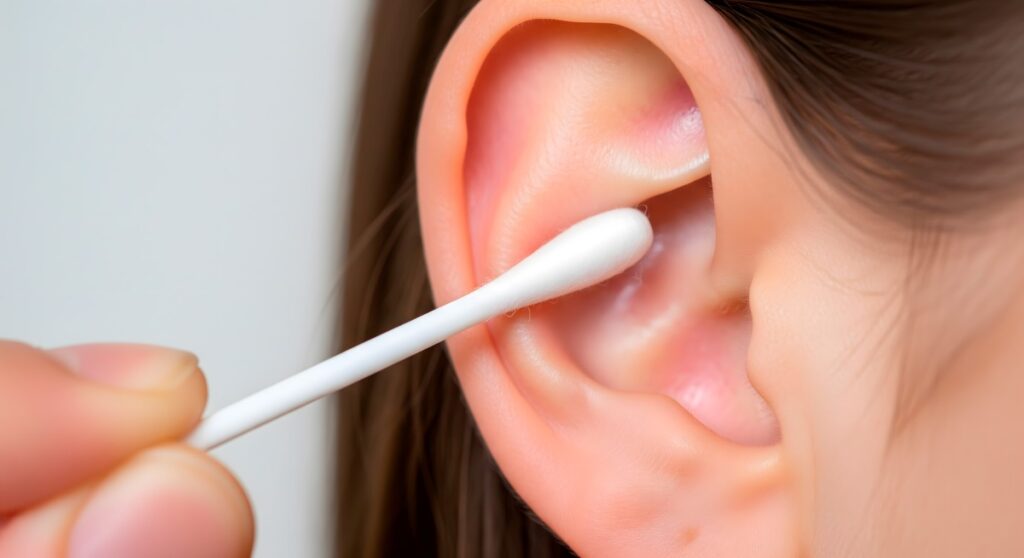
- Don’t use cotton buds in your ears. They push wax deeper and can cause impaction – the exact problem you’re trying to avoid.
- If you’re prone to wax buildup, use olive oil drops once a week as preventative maintenance. This keeps wax soft and mobile before it becomes a problem.
- Stay hydrated. Dry earwax is harder and more likely to cause blockages.
- If you wear hearing aids or earplugs regularly, have your ears checked periodically. These devices can interfere with natural wax migration and cause buildup.
The Bottom Line
Olive oil can effectively soften earwax, making it easier to remove naturally or through professional treatment. It’s safe, cheap, and recommended by medical professionals for this specific purpose.
But olive oil won’t treat ear infections, won’t dissolve wax instantly, and won’t work for everyone. It’s a gentle, gradual approach that requires several days of consistent use.
Use it correctly – warm it first, use proper dropper technique, be patient. Don’t use it if you have ear pain, drainage, infection, or perforated eardrums.
And if olive oil doesn’t solve your earwax problem after a week of proper use, don’t keep trying the same thing. Seek professional help to get the wax safely removed and rule out any other issues that might be causing your symptoms.