
On This Page
- Why Elderly Patients Experience More Ear Wax Problems
- Microsuction: The Safest Method for Elderly Patients
- Special Precautions for Elderly Patients
- When Extra Caution Is Necessary
- Risks and How They’re Minimised
- What to Expect During Ear Microsuction for Elderly Patients
- Home Removal Methods to Avoid
- Choosing Qualified Practitioners
- Signs Requiring Professional Attention
- The Bottom Line on Safety
Ear wax removal for elderly patients raises legitimate safety concerns that deserve thorough, honest answers. Older adults often have more complex health situations – thinner, more delicate ear canal skin, medical conditions affecting healing, medications increasing bleeding risk, and sometimes cognitive or mobility challenges complicating procedures. Understanding how safe, professional ear wax removal works for elderly patients helps family members and patients themselves make informed decisions about addressing problematic wax buildup.
The short answer: yes, professional ear wax removal is safe for elderly patients when performed by qualified practitioners using appropriate techniques. But the full answer requires understanding which methods work best for older adults, what precautions practitioners should take, and when additional care is needed.
Why Elderly Patients Experience More Ear Wax Problems
Ear wax (cerumen) production doesn’t decrease with age – if anything, the consistency often changes in ways that create more problems. Elderly patients frequently experience:
Drier, harder wax: As we age, ear wax tends to become drier and more likely to become impacted rather than naturally migrating out of the ear canal. This harder consistency makes home removal attempts less effective and professional intervention more necessary.
Narrower ear canals: Age-related changes can cause ear canal narrowing (stenosis), creating less space for wax to move naturally outward. Even normal wax production can cause blockages in narrowed canals.
Hearing aid use: Many elderly patients wear hearing aids, which prevent natural wax migration by physically blocking the ear canal. The hearing aid acts like a plug, pushing wax deeper with each insertion rather than allowing it to work its way out naturally.
Reduced self-cleaning: The tiny hairs (cilia) lining ear canals that help move wax outward become less effective with age, reducing the ear’s natural self-cleaning ability.
These factors mean elderly patients often need professional wax removal more frequently than younger adults – sometimes every 3-6 months rather than yearly or less often.
Microsuction: The Safest Method for Elderly Patients
Traditional ear syringing (irrigation using water pressure) carries risks that increase with age – perforated eardrums from water pressure, infection introduction, dizziness from temperature differences between water and body temperature, or discomfort from the procedure itself.
Microsuction has largely replaced syringing as the gold standard for elderly patients because it’s:
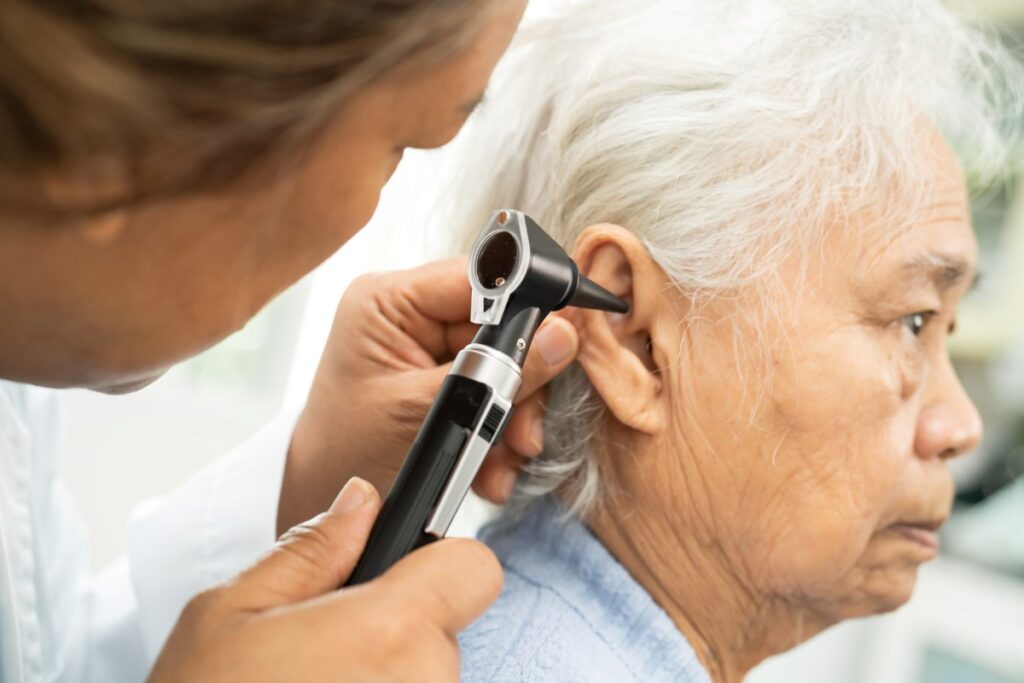
Performed under direct visualisation: The practitioner uses a surgical microscope or endoscope camera to see exactly what they’re doing throughout the procedure. This eliminates blind instruments inserted into ears without visual confirmation.
Gentle and controlled: A small suction device carefully removes wax without touching delicate ear canal or eardrum skin. The practitioner controls suction strength precisely, using minimal force necessary.
Dry procedure: No water introduction means no infection risk from contaminated water, no temperature-induced dizziness, and no moisture problems for patients who can’t tolerate wet ears.
Quick and efficient: Most microsuction appointments take 10-15 minutes for both ears, minimising time elderly patients need to sit still or remain in uncomfortable positions.
Our professional microsuction treatment in London provides safe, comfortable wax removal specifically appropriate for elderly patients with complex health situations.
Special Precautions for Elderly Patients
Qualified practitioners take additional precautions when treating elderly patients to ensure maximum safety:
Thorough medical history review: Understanding medications (particularly blood thinners), previous ear surgeries, ear drum perforations, balance problems, or other relevant conditions allows practitioners to modify techniques appropriately.
Extra gentle technique: Elderly patients often have more fragile ear canal skin that tears or bleeds more easily than younger skin. Experienced practitioners use extremely gentle approaches, taking more time if necessary rather than rushing.
Communication throughout procedure: Practitioners should explain each step before performing it, check comfort regularly, and encourage patients to signal immediately if they experience pain or significant discomfort.
Positioning assistance: Some elderly patients struggle sitting upright comfortably for extended periods. Practitioners should offer positioning support, regular breaks if needed, and schedule sufficient appointment time to work without rushing.
Post-procedure monitoring: Checking ears after removal ensures complete wax clearance and confirms no accidental trauma occurred during the procedure.
When Extra Caution Is Necessary

Certain situations require additional care or specialist referral:
Previous ear surgery: Patients with mastoidectomy or other ear surgeries have altered anatomy requiring specialist understanding. Some practitioners prefer referring complex surgical cases to ENT specialists.
Known eardrum perforations: While microsuction can still be performed, extra care prevents suction through perforation or worsening existing damage.
Severe cognitive impairment: Patients who can’t understand instructions or stay sufficiently still might need sedation or general anaesthetic for safe wax removal, requiring hospital ENT referral rather than clinic treatment.
Active ear infections: Acute infections should be treated before wax removal when possible, though sometimes removing impacted wax is necessary to allow infection treatment to reach affected areas.
Extreme bleeding risk: Patients on multiple blood thinners or with severe bleeding disorders might need specialist haematology consultation before any ear procedures.
Risks and How They’re Minimised
Even with appropriate precautions, minor risks exist:
Temporary dizziness: Some patients experience brief dizziness during or immediately after wax removal, particularly if wax was pressed against the eardrum. This typically resolves within minutes and practitioners ensure patients are steady before leaving.
Ear canal abrasion: Very rarely, delicate elderly skin might experience minor abrasion during wax removal. This heals quickly without intervention in most cases but practitioners should identify and document any trauma.
Incomplete removal: Sometimes wax is too hard, too deeply impacted, or positioned awkwardly for single-appointment removal. Multiple shorter appointments might be safer than extended single sessions for complex cases.
Infection introduction: Extremely rare with proper sterile technique, but any ear procedure carries theoretical infection risk.
These risks are minimised through:
- Proper practitioner training and experience
- Appropriate equipment maintenance and sterilisation
- Thorough pre-procedure assessment
- Conservative, gentle technique prioritising safety over speed
- Clear post-procedure care instructions
What to Expect During Ear Microsuction for Elderly Patients
Understanding the procedure helps reduce anxiety:
Pre-procedure softening: Some practitioners recommend using olive oil or sodium bicarbonate ear drops for several days before appointment to soften wax, making removal easier and more comfortable.
Comfortable positioning: You’ll sit in a specialised chair, positioned for optimal practitioner access whilst maintaining your comfort.
Visualisation setup: The practitioner positions a microscope or inserts a small endoscope camera to see your ear canal clearly.
Gentle suction: You’ll hear a slight vacuum sound as the practitioner carefully removes wax. Some patients find the sound loud but not painful.
Communication throughout: Good practitioners explain what they’re doing, check your comfort regularly, and pause if you need breaks.
Post-procedure check: After removing wax, practitioners examine ears to ensure complete clearance and confirm no accidental trauma.
For information on what to expect during ear microsuction, make sure to check out our detailed guide over on our blog.
Home Removal Methods to Avoid
Elderly patients should absolutely avoid:
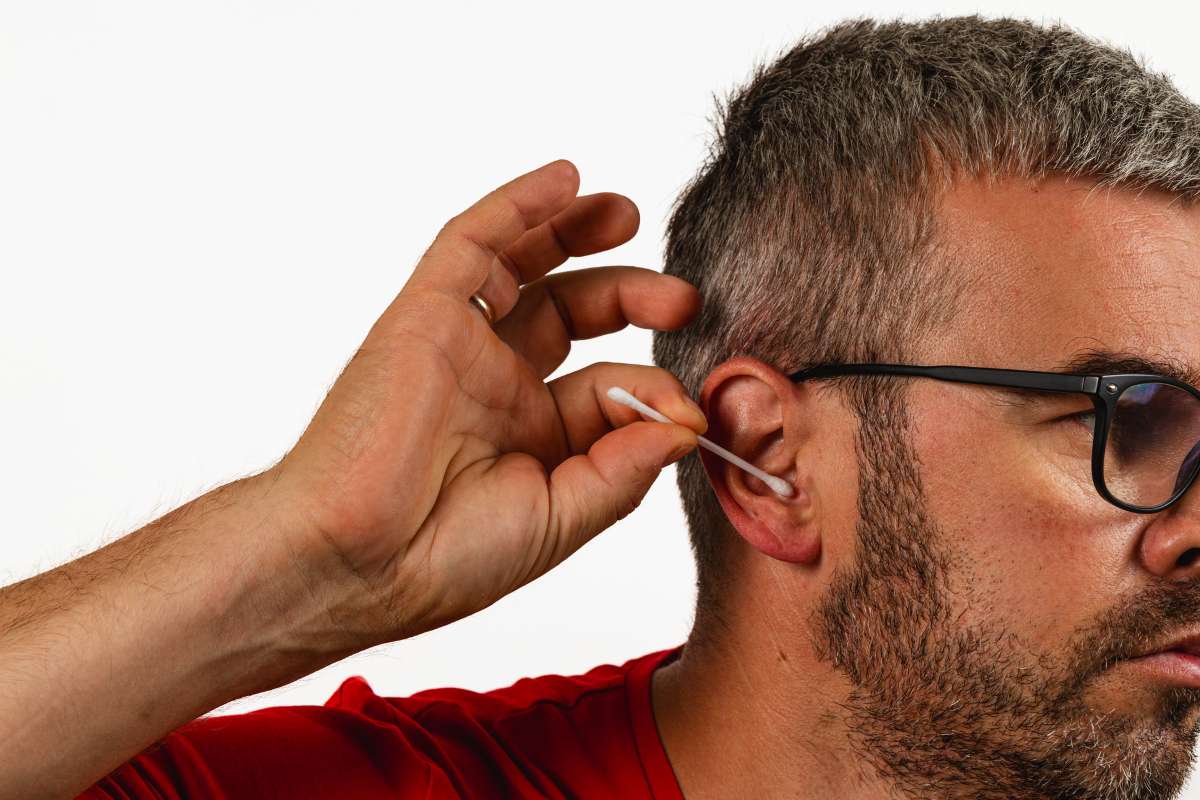
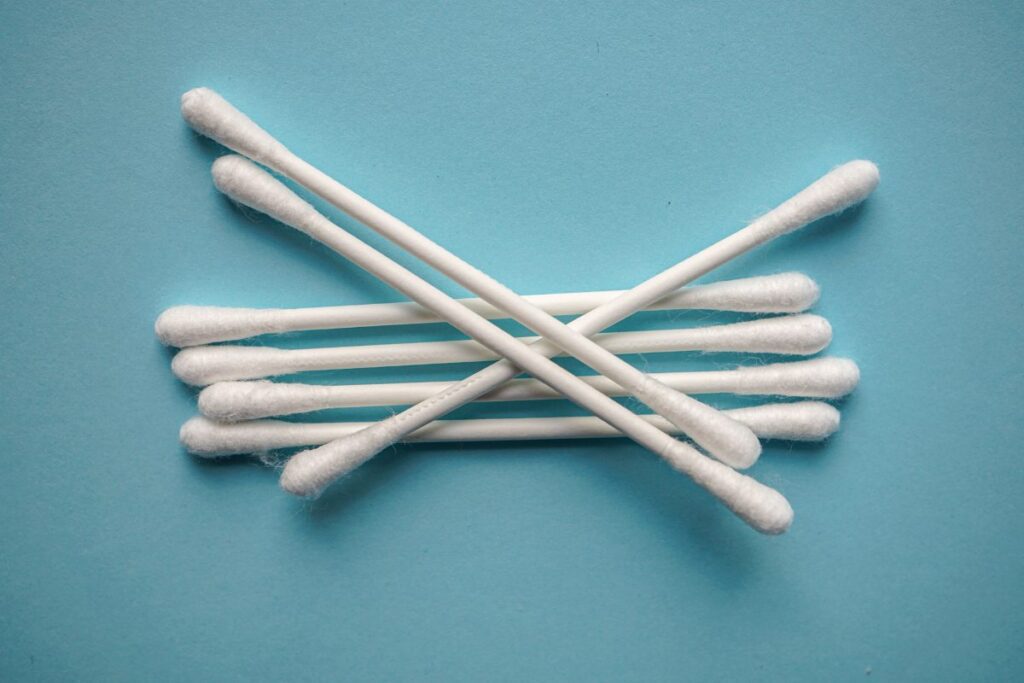
Cotton buds: Push wax deeper, risk eardrum perforation, and can cause ear canal skin damage. Never insert anything smaller than your elbow into your ear remains excellent advice regardless of age.
Ear candling: Completely ineffective, potentially dangerous, with risk of burns, wax dripping into ears, or ear canal obstruction from candle wax.
DIY irrigation: Home irrigation kits risk eardrum perforation, infection introduction, or incomplete removal leaving problems partially addressed.
Sharp instruments: Hairgrips, paperclips, or other pointed objects risk serious injury including eardrum perforation or ear canal laceration.
Professional removal is always safer than DIY attempts, particularly for elderly patients with increased complication risks.
Choosing Qualified Practitioners
Safe ear wax removal for elderly patients requires qualified, experienced practitioners:
Appropriate qualifications: Look for audiologists, nurses, or other health professionals with specific ear care training and microsuction certification.
Experience with elderly patients: Practitioners regularly treating older adults understand specific considerations and precautions necessary.
Proper equipment: Surgical microscopes or modern endoscope systems with high-quality visualisation ensure safe, controlled procedures.
Professional insurance: Qualified practitioners carry appropriate professional indemnity insurance covering ear care procedures.
Clear communication: Practitioners should explain procedures thoroughly, answer questions patiently, and ensure you understand post-procedure care.
Signs Requiring Professional Attention
Elderly patients should seek professional wax removal when experiencing:
- Sudden or gradual hearing reduction
- Feeling of fullness or blockage in ears
- Tinnitus (ringing, buzzing sounds) particularly if new or worsening
- Discomfort or pain in ear canal
- Dizziness or balance problems (sometimes related to wax pressing on eardrum)
- Difficulty with hearing aid fitting or function
The Bottom Line on Safety
Professional ear wax removal using modern microsuction techniques is safe, comfortable, and appropriate for elderly patients when performed by qualified practitioners. The procedure carries minimal risks that are far outweighed by benefits of restored hearing, improved hearing aid function, and relief from uncomfortable symptoms.
Family members can feel confident arranging professional wax removal for elderly relatives, and elderly patients themselves can pursue treatment without undue anxiety about safety. The key is choosing qualified practitioners who understand elderly-specific considerations and take appropriate precautions throughout the procedure.