

On This Page
- Why People Turn to DIY Ear Wax Removal
- The Risk of Pushing Wax Deeper
- Potential Damage to the Ear Canal
- Risk of Eardrum Perforation
- Infections Caused by DIY Methods
- Ineffective or Incomplete Removal
- The Problem with Ear Candling
- When DIY Methods May Be Especially Risky
- Why Professional Removal Is Safer
- The Benefits of Expert Care
- Protect Your Ears with the Right Approach
Ear wax is a natural and essential part of ear health. It protects the ear canal by trapping dust, debris, and bacteria, helping to prevent infection. In most cases, the body manages ear wax effectively on its own. However, when wax builds up excessively or becomes impacted, it can cause discomfort, hearing difficulties, and irritation.
With the increasing availability of over-the-counter (OTC) ear wax removal kits, many people attempt to manage the problem at home. While these products may seem convenient and cost-effective, they can carry significant risks – particularly if used incorrectly or without professional guidance. Ultimately, the best way to remove ear wax safely is with professional treatment, which ensures that your ears are treated with the care they require.
Understanding the potential dangers of DIY ear wax removal is key to protecting your hearing and avoiding unnecessary complications.
Why People Turn to DIY Ear Wax Removal
For many people, the appeal of OTC ear wax removal kits is simple. They are widely available, relatively inexpensive, and can be used at home without needing an appointment.
Common types of DIY solutions include:
- Ear drops designed to soften wax
- Irrigation kits that flush the ear with water
- Manual tools such as scoops or spiral devices
- Ear candles (though widely discouraged by professionals)
While these methods are often marketed as safe and effective, they do not always take into account individual differences in ear anatomy, wax consistency, or underlying ear conditions.
The Risk of Pushing Wax Deeper
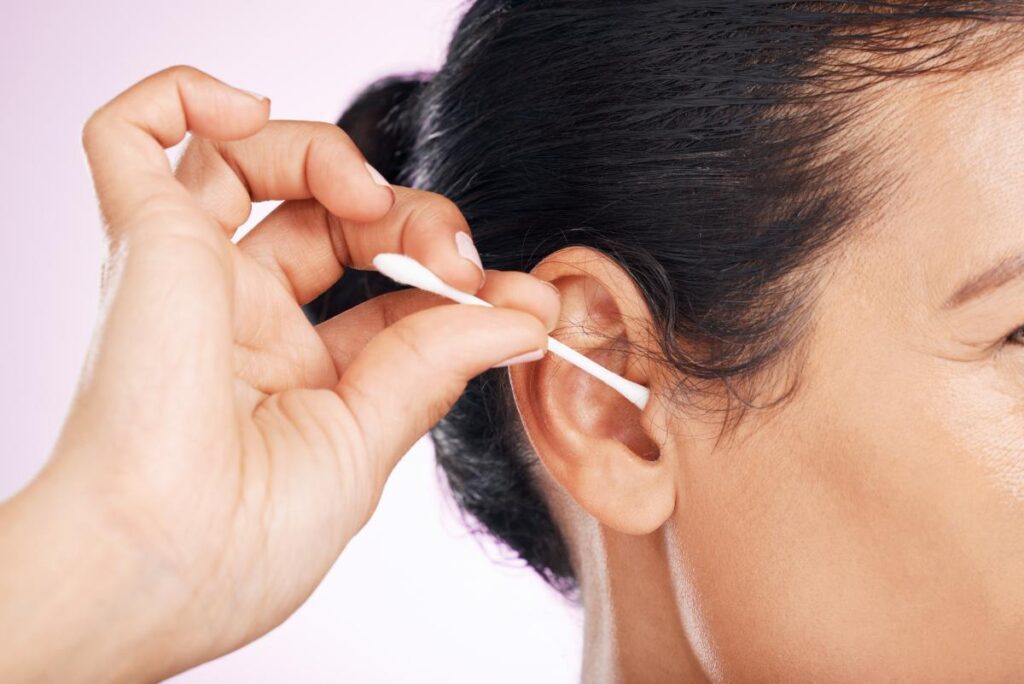
One of the most common problems with DIY ear wax removal is that it can actually make the issue worse. Instead of removing wax, certain tools and techniques can push it deeper into the ear canal.
Cotton buds and similar instruments are particularly problematic. Rather than extracting wax, they often compress it further towards the eardrum, increasing the risk of impaction.
This can lead to:
- Increased hearing loss
- Greater discomfort or pressure
- More complex removal later on
What may start as a minor blockage can quickly become a more serious issue requiring professional intervention.
Potential Damage to the Ear Canal
The ear canal is lined with delicate skin that can be easily damaged. DIY tools, especially rigid or pointed ones, can cause scratches, irritation, or small cuts if not used carefully.
Even minor injuries can lead to:
- Pain and discomfort
- Increased sensitivity in the ear
- Higher risk of infection
Because you cannot see inside your own ear clearly, it is easy to apply too much pressure or use the wrong angle, increasing the likelihood of injury.
Risk of Eardrum Perforation
One of the more serious risks of DIY ear wax removal is accidental damage to the eardrum. The eardrum is extremely sensitive and sits at the end of the ear canal, making it vulnerable if tools are inserted too far.
Perforating the eardrum can result in:
- Sudden pain
- Hearing loss
- Tinnitus (ringing in the ear)
- Increased risk of infection
In some cases, medical treatment may be required to allow the eardrum to heal properly. Avoiding this risk entirely is one of the key reasons professional removal is recommended.
Infections Caused by DIY Methods
Introducing water or foreign objects into the ear can increase the risk of infection, particularly if the ear canal is already irritated or damaged.
Irrigation kits, for example, rely on flushing the ear with water. If the water is not sterile, or if it remains trapped in the ear canal, it can create an environment where bacteria or fungi can grow.
Symptoms of infection may include:
- Pain or discomfort
- Swelling or redness
- Discharge from the ear
- Worsening hearing problems
These infections can require medical treatment and may delay safe removal of the wax.
Ineffective or Incomplete Removal
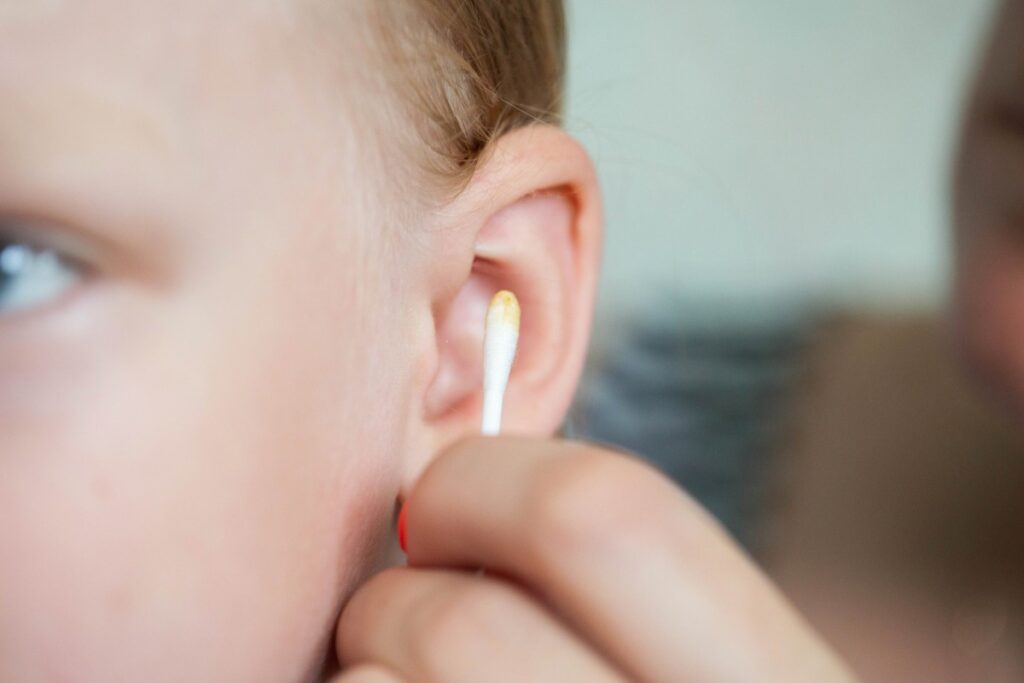
Even when DIY kits do not cause harm, they are often ineffective at fully removing impacted ear wax. Softening drops may loosen wax slightly, but they do not guarantee complete removal.
Partial removal can leave behind residue that continues to affect hearing or cause discomfort. In some cases, softened wax can shift position, creating a new blockage deeper in the ear.
This often results in repeated attempts at home treatment, increasing the risk of complications over time.
The Problem with Ear Candling
Ear candling is sometimes marketed as a natural alternative to traditional ear wax removal methods. However, it is widely considered unsafe and ineffective by healthcare professionals.
The process involves placing a hollow candle in the ear and lighting it, with the claim that it draws wax out through suction. In reality, there is no scientific evidence to support this.
Risks of ear candling include:
- Burns to the ear or face
- Wax from the candle entering the ear
- Blockage of the ear canal
- Fire hazards
For these reasons, ear candling should always be avoided.
When DIY Methods May Be Especially Risky
Certain individuals are at higher risk of complications from DIY ear wax removal and should avoid at-home treatments altogether.
This includes people who:
- Have a history of ear infections
- Have had ear surgery
- Have a perforated eardrum
- Wear hearing aids regularly
- Experience frequent wax build-up
In these cases, professional assessment is particularly important to ensure safe and effective treatment.
Why Professional Removal Is Safer

Professional ear wax removal is carried out by trained audiologists who use specialised equipment to safely and effectively remove wax.
Microsuction is widely regarded as the safest method. It involves using a small suction device under direct visualisation, allowing the practitioner to see exactly what they are doing throughout the procedure.
This approach offers several key advantages:
- Precise and controlled removal
- No need for water, reducing infection risk
- Minimal discomfort
- Immediate improvement in hearing
The Benefits of Expert Care
Choosing professional ear wax removal not only reduces risk but also provides reassurance that your hearing health is being properly assessed.
An audiologist can:
- Identify whether wax is the cause of your symptoms
- Check for underlying ear conditions
- Ensure complete removal without complications
- Provide advice on preventing future build-up
At VIP Hearing Solutions, we can provide safe microsuction performed by qualified audiologists, ensuring your ears are treated with precision, care, and expertise. Our clinics provide a comfortable, professional environment where your hearing health is always the priority.
Protect Your Ears with the Right Approach
While over-the-counter ear wax removal kits may seem like a quick and easy solution, they can carry risks that outweigh their benefits. From pushing wax deeper into the ear to causing injury or infection, DIY methods often create more problems than they solve.
Professional ear wax removal offers a safer, more effective alternative, giving you peace of mind and immediate relief from symptoms.
If you are experiencing hearing difficulties, discomfort, or a blocked sensation in your ears, it is important to seek the right support. Choose expert care: you can protect your hearing, avoid unnecessary complications, and maintain long-term ear health.


