On This Page
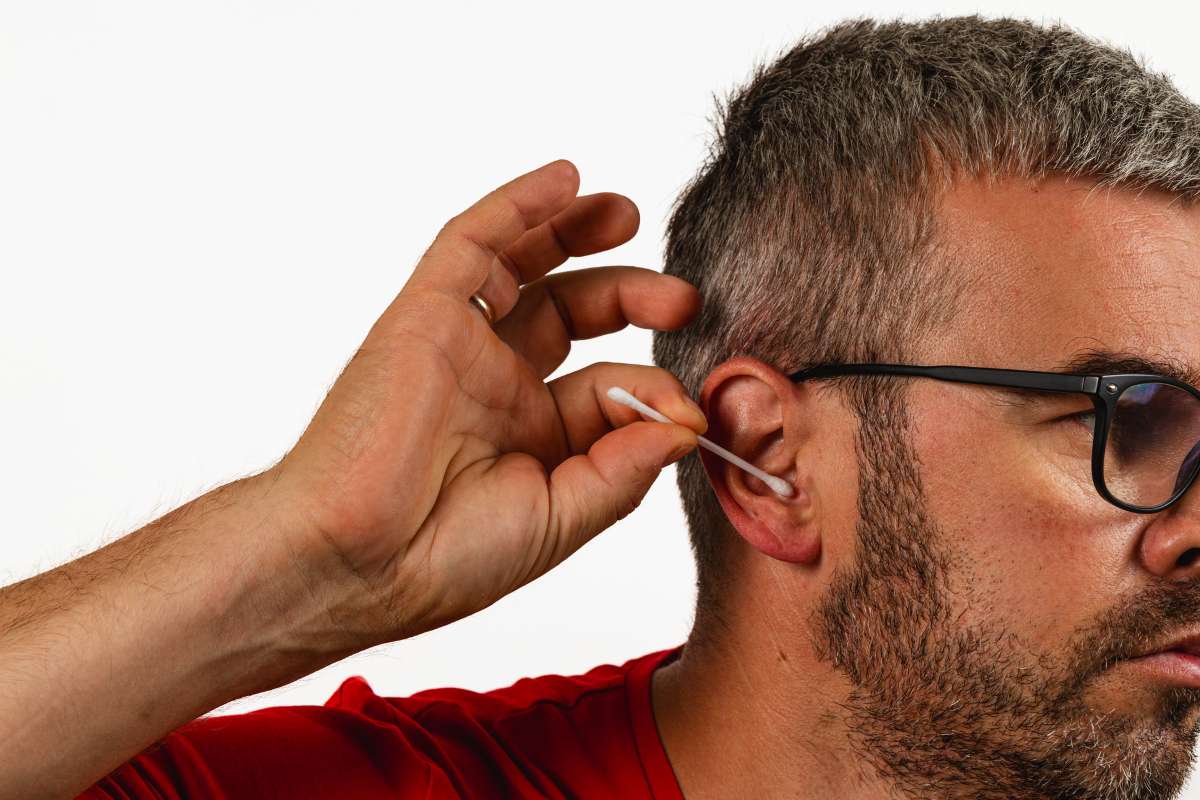
We’ve all been there – standing in the bathroom, cotton bud in hand, ready to give our ears a good clean. It feels satisfying, doesn’t it? That little twist inside your ear canal that somehow feels like you’re doing something productive. But hang on a minute. Is this bathroom habit actually doing more harm than good?
How Cotton Buds Affect Your Ears
Here’s the thing about ears – they’re cleverer than we give them credit for. They actually clean themselves. Earwax isn’t just some gross substance; it’s there to protect your ears by trapping dirt and dust before it can travel deeper inside.
When you stick a cotton bud in your ear, you’re not helping this process – you’re mucking it up. Instead of removing wax, you’re shoving it further in. It’s a bit like trying to clean your kitchen floor by sweeping all the dirt into the corner and hoping it disappears.
The Risks of Using Cotton Buds
Earwax Blockage (Impaction)
The most common problem with cotton buds is that they pack wax deeper into your ear canal. Over time, this wax builds up and hardens, creating a blockage. Suddenly you’re dealing with muffled hearing, a weird full feeling in your ear, or even dizziness. The very thing you used to “clean” your ears has actually made them worse.
Increased Risk of Ear Infections
Your ears maintain a careful balance of moisture and natural oils. By scraping away too much earwax, you’re removing this protective barrier. Without it, your ears become more susceptible to infections. If you regularly learn about different kinds of ear infection, those cotton buds might be part of the problem.
Damage to the Eardrum
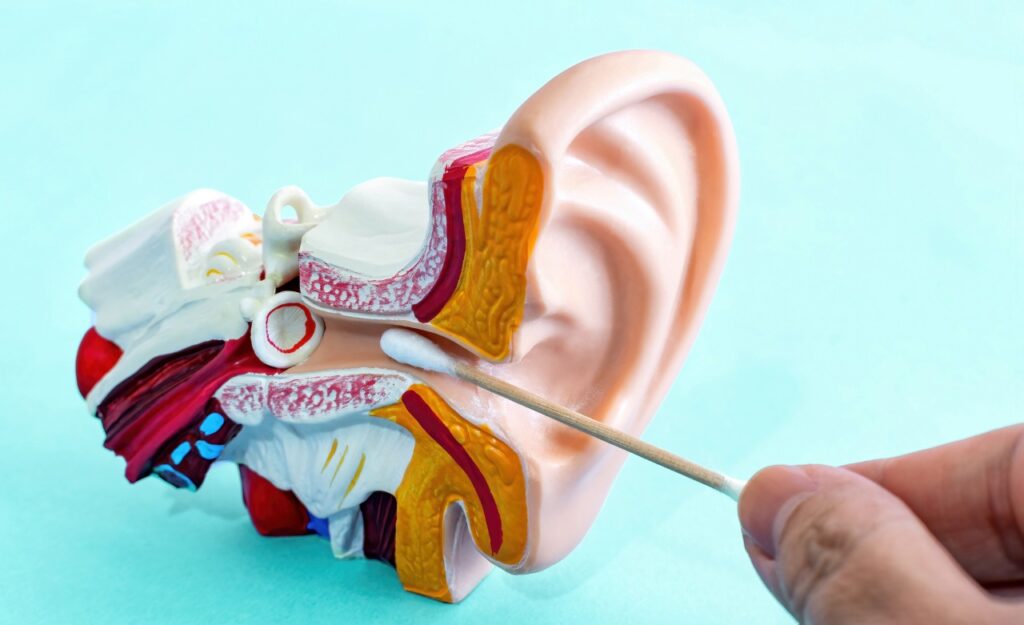
This is where things get properly scary. Your ear canal is incredibly short – only about 2.5 centimetres long. At the end sits your eardrum, which is about as fragile as it sounds. One slip, one unexpected knock of your elbow, and that cotton bud could puncture your eardrum. Ouch doesn’t begin to cover it.
Potential for Tinnitus or Hearing Loss
Regular cotton bud use can cause tiny scratches in your ear canal. These can become inflamed and, over time, might contribute to tinnitus (that annoying ringing in your ears) or even hearing loss. And let’s be honest, that’s a high price to pay for ears that aren’t actually any cleaner.
Safer Alternatives for Ear Cleaning
Let Your Ears Clean Themselves
The simplest solution? Do nothing. Your ears are designed to push wax outward naturally. For most people, just wiping the outer ear with a flannel after showering is enough. No poking, no prodding, no problems.
Use Ear Drops or Warm Water
If you feel like you’ve got too much wax, try over-the-counter ear drops that soften wax. They break down the wax so your ears can push it out naturally. Or simply let some warm water run into your outer ear during your shower – it helps flush out wax that’s already worked its way to the opening.
Professional Ear Cleaning Options
For genuine earwax issues, leave it to the professionals. We offer expert hearing care services including proper earwax removal using techniques that won’t damage your ears. Unlike your bathroom cotton bud session, professional methods actually work without risking your hearing.
Final Thoughts
Cotton buds weren’t designed for ear cleaning – just look at any box and you’ll see warnings against sticking them in your ears. The risks range from annoying (wax impaction) to downright dangerous (eardrum perforation).
Most ear doctors now recommend you don’t put anything smaller than your elbow in your ear. It’s not just cautious medical advice; it’s common sense.
We’ve seen too many patients who’ve caused themselves unnecessary problems by trying to clean their ears at home. Your ears don’t need that kind of help. They’ve been self-cleaning since before cotton buds were invented.
If you’re worried about earwax or ear health, book an appointment with a professional instead of taking matters into your own hands. Sometimes the bravest thing you can do is… absolutely nothing.