On This Page
Hollow candles promising to vacuum out your earwax – weird, right? If you’ve wondered about these unusual treatments, you’re not alone. Ear candling has gained quite a following lately, but the big question remains: do they actually work?
What Are Ear Candles?
Ear candles are hollow fabric tubes, roughly 25cm long, coated in paraffin or beeswax. You lie on your side while one tapered end sits in the ear canal and the other is lit. Sellers claim the flame creates a vacuum that draws out earwax and toxins, a claim testing has disproved.
They’re basically hollow tubes, about 25cm long, made from fabric soaked in paraffin or beeswax. The treatment involves lying on your side while someone pops the tapered end into your ear canal and lights the other end. Supposedly, this creates a vacuum that sucks out earwax, debris and even “toxins” from your ears.
The marketing is pretty impressive—ancient Egyptian healing rituals, Native American purification ceremonies, you name it. And the claims go beyond just earwax removal. Apparently, these candles can fix tinnitus, clear your sinuses, banish headaches, and sharpen your thinking.
Do Ear Candles Really Work?
No. Scientific testing has repeatedly found that ear candles remove no earwax and create no vacuum; physics simply won't allow enough suction to pull anything from your ear. The brown residue people mistake for toxins is burnt candle wax and ash. Any relief felt comes from lying still, not cleaning.

Not really, no.
Scientists have tested these candles repeatedly, and the results aren’t great. That supposed “vacuum effect”? It doesn’t happen. Physics simply won’t allow these candles to create enough suction to pull anything from your ear.
“But what about that orangey-brown gunk inside the candle afterward?” I hear you ask. Many users think that’s earwax and toxins that have been drawn out. Lab tests show it’s actually just residue from the burning candle—wax and ash from the fabric.
Some people do report feeling better after candling—a sense of warmth, relaxation, or pressure relief. This likely comes from simply lying still for 15-20 minutes or the gentle heat near your ear, rather than any actual cleaning.
The Risks & Dangers of Ear Candling
Besides not working, these candles can actually be quite risky.
Burns & Injuries
Think about it—you’re lying still with a burning object sticking out of your ear. What could possibly go wrong? Quite a lot, actually. Medical journals have documented burns to outer ears, ear canals, eardrums, and faces from candling gone wrong. Even a tiny movement could send hot wax dripping where it shouldn’t go.
Wax Blockage & Damage
Here’s the irony—ear candles can make your earwax situation worse, not better. Candle wax sometimes drips into the ear canal during treatment, creating blockages that are harder to remove than your original earwax.
Sometimes bits of the candle itself break off and get stuck in there too. Then you’re off to A&E for someone to fish it out. Not ideal.
Fire Hazards & Safety Concerns

An open flame. Flammable materials. Lying still with your eyes closed. Near your hair. This combination isn’t exactly a safety inspector’s dream scenario.
Some manufacturers have tried adding protective discs to their candles, but that’s a bit like putting a plaster on a broken leg—it doesn’t address the fundamental problem.
What Medical Authorities Say
The medical community isn’t sitting on the fence about this one. The FDA in America has issued warnings against ear candles, and UK health authorities aren’t fans either.
Ear specialists and audiologists like us consistently advise against the practice. There are many common causes of hearing loss, and ear injuries from botched candling attempts can absolutely contribute to that list.
Safe & Effective Alternatives to Ear Candling
If your ears feel blocked up, there are better options than shoving a burning candle in them.
Professional Ear Cleaning
For serious earwax situations, see a professional. When you book a professional ear cleaning session with us, someone from our team who actually knows what they’re doing will sort you out safely.
These procedures usually involve microsuction (a tiny vacuum), irrigation (gentle water flushing), or manual removal with proper tools—all done with good lighting and by someone who can actually see what they’re doing.
At-Home Earwax Removal
For minor maintenance, over-the-counter eardrops that soften wax can help. They typically contain things like hydrogen peroxide, glycerin, or various oils.
Remember though, ears mostly clean themselves. The natural movement of earwax from inside to outside happens whether you interfere or not. Wiping the outer bit with a flannel after your shower is enough for most people.
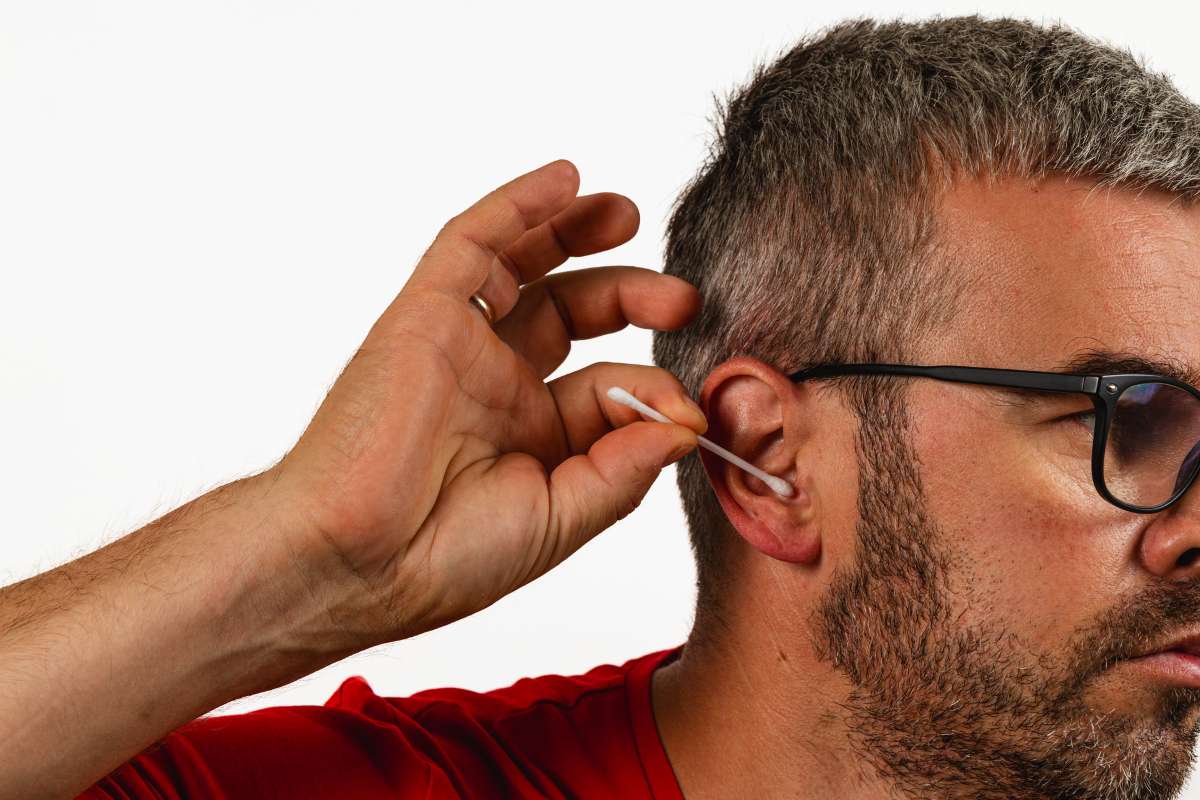
And please—don’t stick cotton buds in your ears. They just ram the wax in deeper and can damage your ear canal or eardrum.
When to See a Specialist

Get yourself to a hearing professional if you’re experiencing:
- That blocked-up feeling that won’t go away
- Pain, irritation, or weird discharge
- Hearing that’s suddenly worse (or gradually disappearing)
- Ringing or buzzing sounds
- Dizziness or balance problems
These might signal something that needs proper attention, not DIY solutions.
Final Thoughts
Ear candles might seem like a natural, gentle way to sort out your ears. But the science is pretty clear—they don’t work and they might hurt you.
Traditional remedies have their place, but with ear health, it’s better to stick with approaches that actually work. At VIP Hearing Solutions, we’d rather give you accurate information than sell you on a dangerous fad.
Your ears are complex and surprisingly delicate. Instead of experimenting with unproven treatments that might land you in A&E, have a chat with a qualified professional who can address your specific ear issues safely and effectively.