

On This Page
The relationship between ear wax and headaches seems unlikely at first. One involves the ears, the other centres on head pain. But the human body’s interconnected systems mean problems in one area frequently manifest symptoms elsewhere. Excessive or impacted ear wax can indeed trigger headaches through several distinct mechanisms.
How Wax Accumulation Happens
Ear wax, or cerumen, serves important protective functions. It traps dust, debris, microorganisms, preventing them from reaching delicate inner ear structures. It maintains appropriate moisture levels within the ear canal, protecting skin from drying and cracking.
Under normal circumstances, ear wax gradually migrates outward naturally, eventually falling away or washing off during bathing. This self-cleaning mechanism works efficiently for most people. However, certain factors disrupt this process.
Some individuals naturally produce more wax due to genetic factors. Ear canal shape varies considerably between people; narrower or more angular canals may impede natural wax migration. Frequent earphone use can push wax deeper rather than allowing it to exit naturally. Well-intentioned cleaning attempts with cotton buds often compact wax against the eardrum rather than removing it.
The Pressure Connection
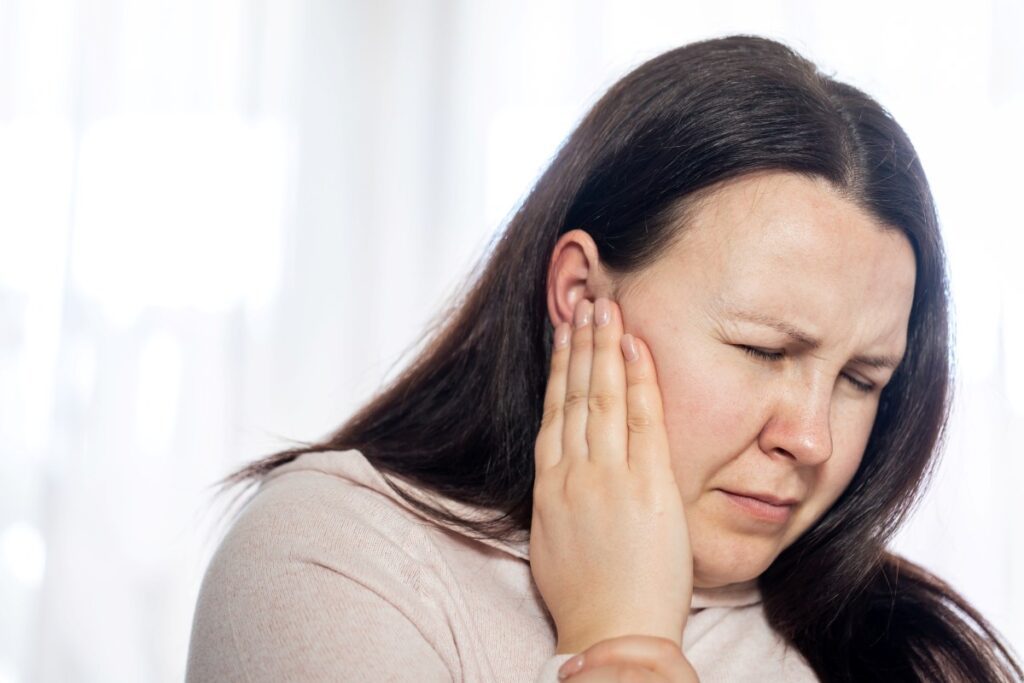
When ear wax builds up significantly, it creates physical pressure within the ear canal. This pressure doesn’t remain isolated. The proximity of ear structures to various nerves, including branches of the trigeminal nerve which also serves parts of the face and head, means pressure or irritation in the ear can trigger referred pain elsewhere.
Impacted wax pressing against the eardrum creates particular problems. The eardrum is richly innervated and highly sensitive. Constant pressure or intermittent contact as you move, chew, or change position sends persistent pain signals that the brain may interpret as originating from a broader area. Result: headache.
This pressure-induced discomfort often presents as dull, persistent ache rather than sharp, stabbing pain. The headache might feel concentrated around the temples, behind the eyes, across the forehead – despite originating from ear canal pressure.
Tension and Inflammation
The body responds to persistent irritation with muscle tension. When ear discomfort continues, people unconsciously tense muscles around the jaw, neck, temples. This chronic muscle tension itself becomes a headache source, creating what’s termed a tension-type headache.
Additionally, if impacted wax causes inflammation within the ear canal, this inflammatory response can extend to surrounding tissues. The mastoid bone behind the ear contains air cells connected to the middle ear; inflammation spreading to these structures can produce headache that feels deep-seated and difficult to localise.
Some individuals develop secondary infections when impacted wax traps moisture and bacteria within the ear canal. These infections bring their own inflammatory processes, potentially intensifying both ear pain and associated headaches.
Identifying Wax-Related Headaches
Certain characteristics help identify whether headaches might relate to ear wax. The headache often accompanies other symptoms: fullness or blockage in the ear, reduced hearing on the affected side, tinnitus (ringing or buzzing sounds), mild dizziness.
The headache typically affects the same side as the problematic ear, though it can occasionally refer to both sides or switch if wax accumulates in both ears at different times. Unlike migraine headaches, wax-related headaches rarely involve visual disturbances, severe nausea, or extreme light sensitivity.
Movement or pressure around the ear may temporarily worsen the headache. Some people notice that lying on the affected side or applying gentle pressure near the ear changes the headache’s intensity – a clue about its origin.
When Professional Assessment Matters
The connection between ear pain and headaches can involve ear wax. Other conditions produce similar symptoms though. Ear infections, temporomandibular joint disorders, dental problems, and various neurological conditions can all present with combined ear and head pain.
Attempting to self-diagnose or self-treat risks missing more serious underlying issues. If you experience persistent or recurrent headaches alongside ear symptoms, professional evaluation provides accurate diagnosis. An audiologist or GP can examine your ear canals directly, identifying whether wax accumulation exists and whether it’s likely contributing to your symptoms.
Safe Removal and Relief
If examination confirms that impacted ear wax contributes to headaches, professional removal typically brings rapid improvement. Modern ear wax removal techniques include microsuction, irrigation, or manual removal using specialised instruments, depending on the wax build-up’s nature and location.
These professional treatments to restore clear hearing and relieve associated symptoms prove far safer and more effective than home remedies. Ear candling, for instance, lacks evidence of effectiveness and carries risk of burns or wax being pushed deeper. Olive oil drops can soften wax before professional removal but shouldn’t be used if you suspect eardrum perforation or have an active ear infection.
Following professional wax removal, many people report immediate relief from both hearing difficulties and headaches. The pressure disappears, muscle tension eases, persistent discomfort that might have been present for weeks or months simply resolves.
Prevention Strategies
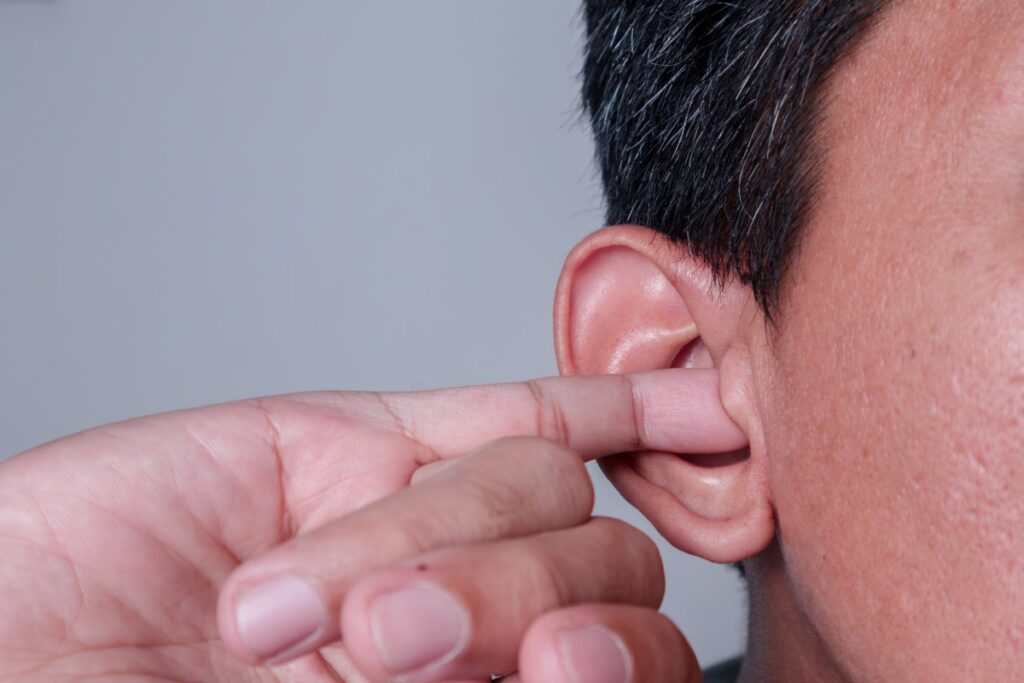
Understanding what contributes to wax accumulation helps prevent recurrence. Avoid inserting anything into your ear canals – cotton buds, bobby pins, corners of towels. These push wax inward and can damage delicate ear canal skin.
If you use earphones regularly, keep them clean and consider limiting usage duration when possible. Some people benefit from occasional olive oil drops to keep wax soft and mobile, though this should be discussed with a healthcare provider first.
Regular hearing check-ups allow professionals to monitor ear wax levels before they become problematic. If you’re prone to wax build-up, scheduled preventive removal might be recommended.
Understanding Your Symptoms
The human body communicates problems through symptoms that sometimes seem disconnected from their source. Headaches triggered by ear wax demonstrate this complexity. Rather than dismissing persistent headaches as simply stress or tension, considering whether ear health might be involved broadens the diagnostic picture.
If you’ve been experiencing unexplained headaches, particularly if they’re accompanied by any sense of ear fullness, hearing changes, or discomfort around the ears, ear wax might be contributing. Professional assessment provides clarity, and if wax proves to be the culprit, relief can be remarkably straightforward.


