On This Page
Ear wax (cerumen) is a natural substance that protects the ear canal by trapping dust, debris, and bacteria. Unfortunately, although it plays an important role in ear health, ear wax can cause some serious problems if it builds up excessively or becomes impacted. Left untreated, ear wax can lead to discomfort, hearing difficulties, and even more serious complications. Understanding the risks of leaving ear wax untreated, and how professional treatment can help, empowers you to take proactive care of your hearing.
1. Hearing Loss and Reduced Clarity
The most immediate effect of untreated ear wax is hearing reduction. As wax accumulates, it can block sound from reaching the eardrum, leading to muffled hearing or a sensation of fullness in the ear.
This type of conductive hearing loss is usually temporary and reversible, but if left unaddressed, it can affect day-to-day communication. Conversations may become more challenging, background noise harder to filter, and activities like watching television or listening to music less enjoyable. Over time, some people may begin to unconsciously compensate by turning up the volume on devices, which can create additional strain on the ears.
2. Tinnitus (Ringing or Buzzing in the Ear)

Impacted ear wax can press on the eardrum or middle ear structures, leading to tinnitus – a persistent ringing, buzzing, or hissing sound in the affected ear. Tinnitus can be distressing, especially if it interferes with concentration, sleep, or overall quality of life.
Addressing wax buildup promptly can alleviate these symptoms. If you are experiencing new or worsening tinnitus, you should get professional assessment as soon as possible to ensure there aren’t other underlying causes, providing reassurance and effective treatment.
3. Ear Discomfort and Pain
A full ear can lead to pain, pressure, or a feeling of fullness in the ear canal. Some patients describe it as a dull ache, while others experience sharp discomfort, particularly when chewing, talking, or lying on the affected side.
Persistent discomfort or pain can affect concentration, sleep, and daily comfort. In severe cases, untreated wax can cause inflammation or infection, intensifying pain and making removal more complicated.
4. Increased Risk of Infection
Excessive ear wax creates an environment where bacteria or fungi can thrive, increasing the risk of outer ear infections (otitis externa) or middle ear infections. Common symptoms of infection include redness, swelling, discharge, itching, or worsening pain.
Infections not only cause discomfort but can also temporarily worsen hearing loss, leading to the need for additional treatment. If you remove ear wax early, it will reduce this risk significantly, particularly for people prone to recurring ear problems or those with medical conditions that compromise immune response.
5. Dizziness and Balance Issues
The ear plays a crucial role in balance, and severe wax blockage can sometimes affect the vestibular system, leading to dizziness, vertigo, or unsteadiness. While not something that everyone with untreated ear wax may suffer from, patients who experience these symptoms should seek prompt professional evaluation, ensuring that wax is not contributing to balance problems.
6. Hearing Aid Complications

For hearing aid users, untreated ear wax can create multiple challenges. Wax can block the hearing aid receiver, reduce sound clarity, or trigger feedback noises. Over time, this not only diminishes the effectiveness of the device but can also increase maintenance needs.
VIP Hearing Solutions offers a clinic-based wax extraction service that ensures hearing aids continue to function optimally while improving overall comfort and sound quality.
The Limits of Home Removal
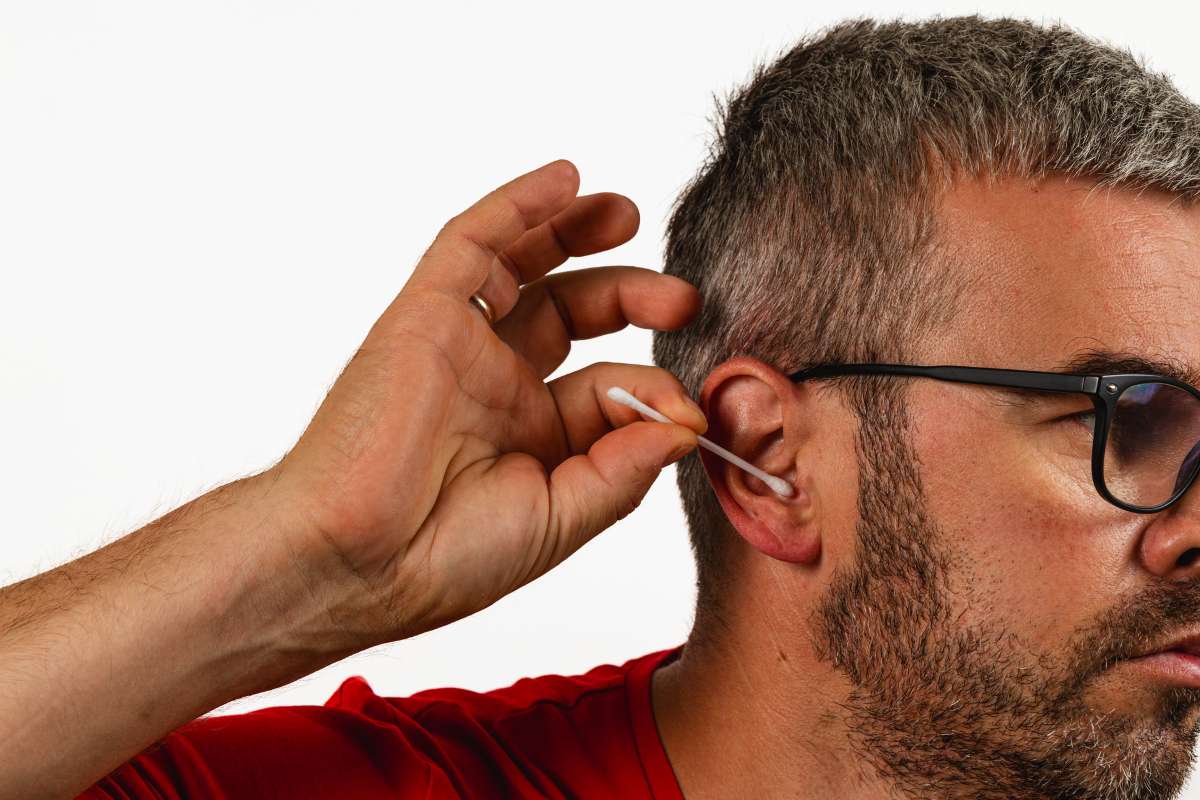
Many people attempt to remove wax at home using cotton buds, ear candles, or irrigation kits. These methods may seem convenient, but they can actually make the problem worse, particularly for those with narrow ear canals, existing hearing loss, or sensitive ears. Risks include:
- Pushing wax deeper into the ear canal
- Perforating the eardrum
- Causing infection or injury to delicate ear canal skin
Professional microsuction and other safe ear wax removal methods are the safest way to go, providing precise, controlled removal without these risks.
When to Seek Professional Help

In cases of persistent problems with your ears and hearing, professional advice and solutions may be the best option. As we touched on above, at-home solutions may worsen the problem, as may ignoring it. If you are experiencing any of the symptoms listed above, it’s time to consider professional ear wax removal.
Professional removal of ear wax ensures:
- Rapid relief from hearing loss and discomfort
- Reduced risk of infection
- Improved performance of hearing aids
- Peace of mind knowing your hearing is in expert hands
VIP Hearing Solutions’ can help you. We have several clinics across London, where our experienced audiologists can assess your ear health, prioritising your safety, comfort, and long-term hearing care. Following an initial hearing consultation, our experts can offer ethical advice, the latest technology, and a lifetime of support.
Don’t Let Untreated Ear Wax Affect Your Life
Untreated ear wax can affect hearing, balance, comfort, and quality of life. While minor buildup may seem harmless, prolonged impaction can lead to significant complications – and you need to be ahead.
Professional assessment and removal provide the safest, most effective solution, restoring hearing clarity and comfort while preventing future problems. VIP Hearing Solutions combines expert audiologists, the latest technology, and patient-focused care to ensure your ear health is fully protected.
Don’t wait until discomfort or hearing problems become severe – our London clinic is ready to provide expert care, so you can focus on living a fuller life.