On This Page
I bet you’ve stuck a cotton bud in your ear at some point. We’ve all done it, despite the warnings. But is it actually harmful? And if so, what should you be doing instead? Let’s talk about ear cleaning – what works, what doesn’t, and why most of what we think we know is wrong.
Why Ear Hygiene is Important
Your ears aren’t just for hearing – they’re complex organs that usually take care of themselves. But sometimes they need a bit of help. Wearing hearing aids, using earbuds daily, or simply having narrower ear canals can all cause wax to build up more than it should.
When your ears are healthy, you probably don’t think about them much. When they’re not, you’ll know about it. Ear infections can be intensely painful, and even mild wax buildup can muffle sounds and make your ears feel blocked or uncomfortable.
Some people with hearing loss mistakenly blame earwax when they might actually need professional support. If you’re experiencing ongoing hearing difficulties, you might find expert guidance on hearing aids more helpful than just cleaning your ears.
Do You Really Need to Clean Your Ears?
Usually not. For most people the ear canal cleans itself, so routine cleaning inside isn't needed. Consider action only if your ears feel full or blocked, sounds seem muffled, you notice ringing, itching, pain, unusual discharge or an odd smell. Otherwise, wiping the outer ear is enough — leave the canal alone.
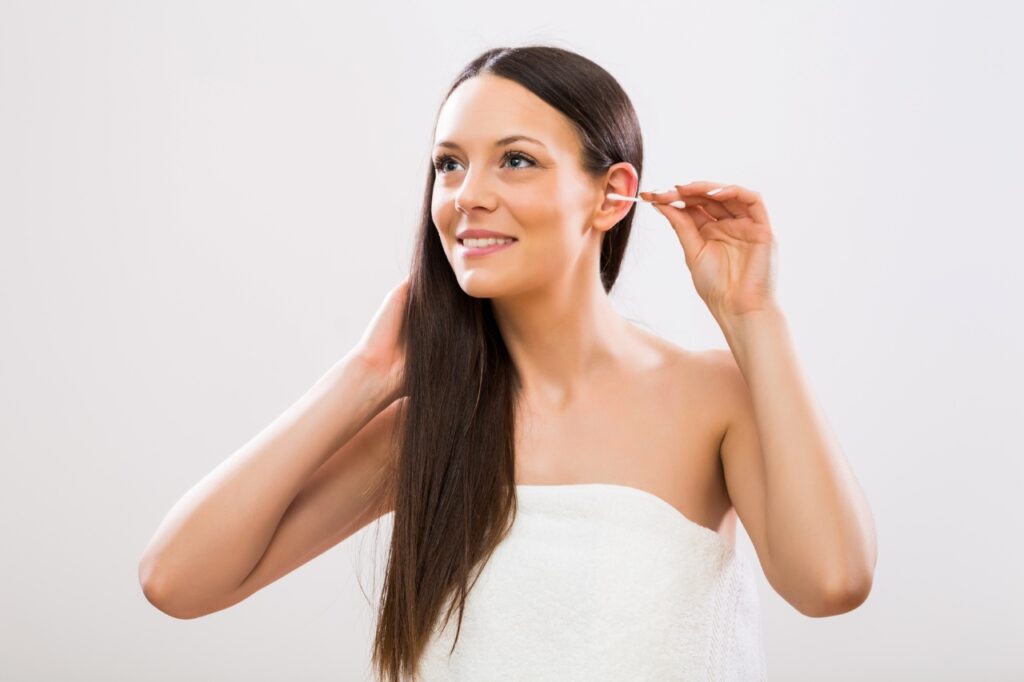
Here’s something the cotton bud companies don’t tell you: most people don’t need to clean inside their ears at all.
Your ears are self-cleaning. When you talk, chew, or move your jaw, you’re actually helping earwax move from deep in your ear canal outward. The wax picks up dead skin cells and dirt along the way, before eventually falling out naturally – often without you noticing.
This automatic cleaning system works well for most people. It’s only when something disrupts this process that problems can start.
You might need to consider ear cleaning if:
- Your ears feel full or blocked
- Sounds seem muffled or quieter than usual
- You hear ringing or buzzing in your ears
- Your ears are itchy, painful, or producing unusual discharge
- Your ears smell a bit off
If none of these apply, you might be better off leaving your ears to their own devices.
Safe & Effective Ways to Clean Your Ears
Let Your Ears Clean Themselves
Doing nothing is actually an active choice when it comes to ear care – and often the right one. Your ear canals are lined with skin that migrates outward like a slow-moving conveyor belt, bringing wax with it.
If you’re worried about preventing excess ear wax build up, sometimes the best approach is to stop interfering with this natural process. Each time you poke something into your ear, you risk pushing wax back in and compacting it.
Use a Warm Washcloth
The outer parts of your ears – the bits you can see – definitely benefit from regular cleaning. The simplest method is using a warm, damp washcloth during your shower or bath.
Gently clean the visible parts, including behind and around your ears. You can also use the washcloth to clean just the entrance to your ear canal, without going inside. This removes wax that’s completed its journey outward without disturbing the wax still doing its job deeper inside.
Try Ear Drops or Irrigation
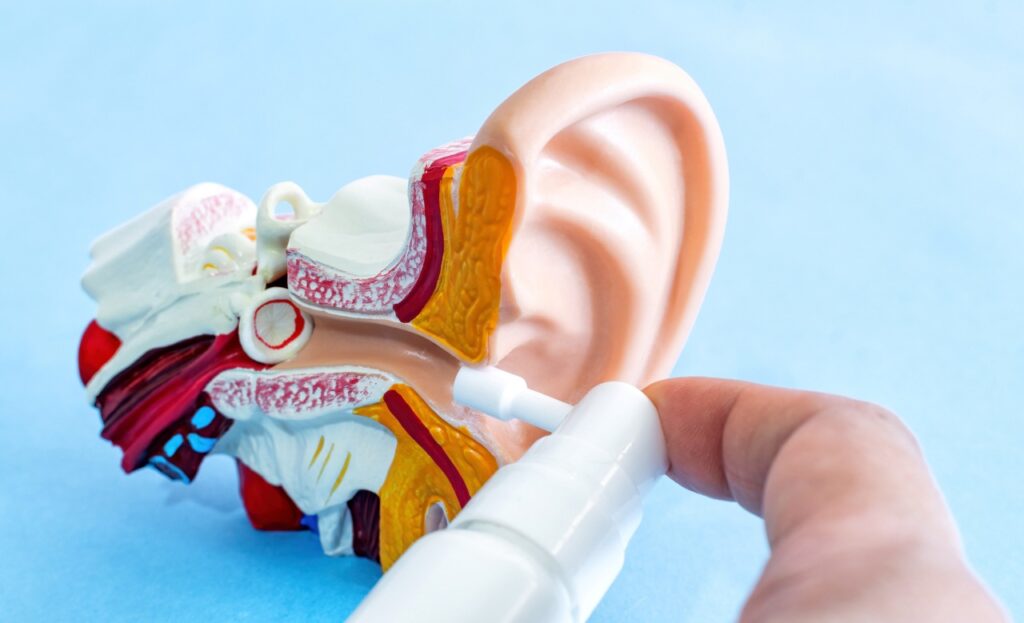
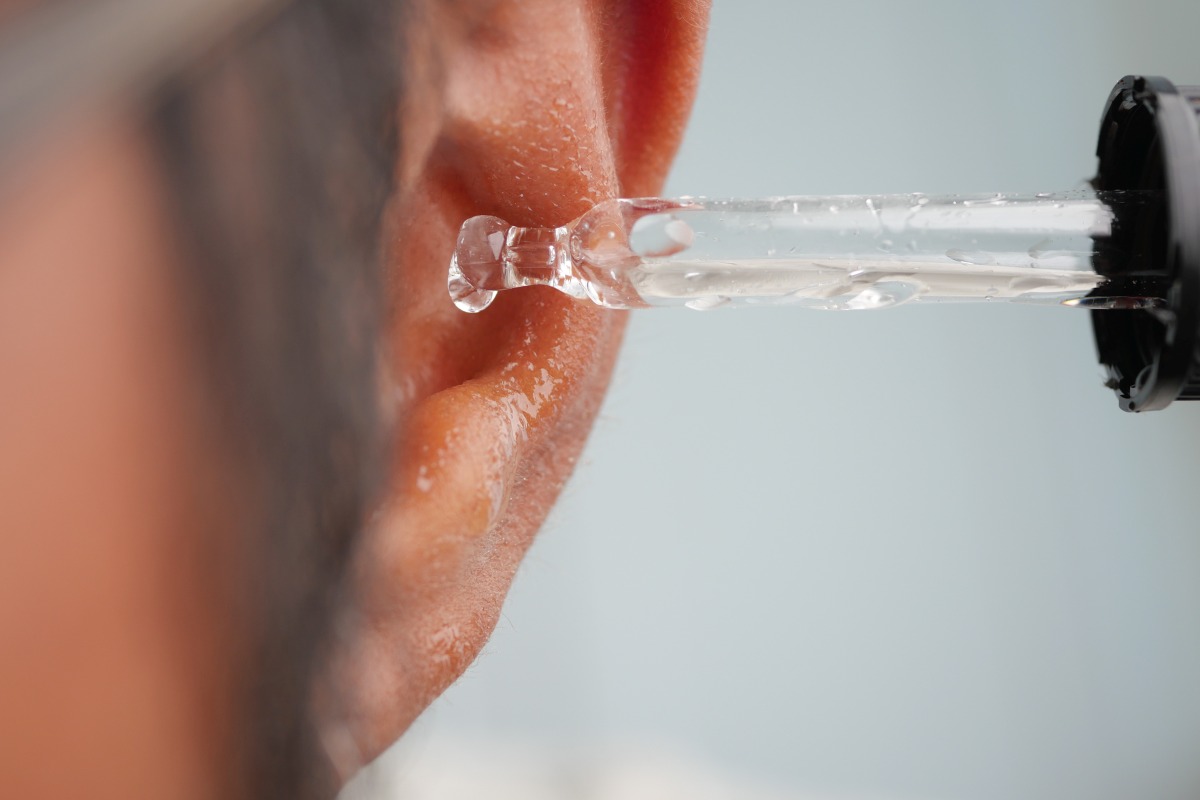
When wax has hardened or built up enough to cause discomfort, over-the-counter ear drops can help. These typically contain hydrogen peroxide, mineral oil, or glycerin – all of which help soften wax.
To use them properly:
- Lie down with the affected ear facing up
- Put in the drops (usually 3-5, but check the packaging)
- Stay put for 5-10 minutes while the drops work their magic
- Sit up and let any excess drain out
Ear irrigation is best left to a clinician. Done at home with a bulb syringe it can perforate the eardrum or trigger an outer-ear infection, which is why UK guidance (NICE) favours microsuction, carried out under direct vision. If wax is troublesome, soften it with olive or almond oil drops and book a professional removal.
Visit a Professional for Earwax Removal
Sometimes DIY approaches just won’t cut it – especially if wax has been building up for a while. GPs, audiologists and ENT specialists can remove earwax safely using special tools and techniques.
Microsuction is particularly effective – it uses gentle suction to remove wax while the clinician can see exactly what they’re doing. It’s quick, painless, and doesn’t involve putting water in your ears.
Professional removal is your best bet if you’ve had ear surgery, eardrum problems, or wear hearing aids regularly.
What You Should Not Do When Cleaning Your Ears
Cotton Buds (Q-Tips)
Those innocent-looking cotton buds in your bathroom? They’re actually your ears’ worst enemy. Despite what your gran might have taught you, they’re not designed for ear cleaning.
When you push a cotton bud into your ear, you’re likely shoving wax deeper inside, potentially compacting it against your eardrum. Plus, you risk scratching your ear canal or even puncturing your eardrum if you push too far or slip.
Ear Candles

These hollow beeswax cones that supposedly “vacuum” wax from your ears are pure pseudoscience. Studies show they remove precisely zero earwax, and they’ve been known to cause burns, deposit candle wax in your ear canal, and even perforate eardrums.
The “debris” you see inside the candle afterward? That’s just candle residue, not earwax. Save your money and your ears.
Sharp Objects & DIY Methods
It’s genuinely terrifying what some people admit to putting in their ears – paperclips, hair grips, keys, toothpicks… Just no. These objects weren’t designed for ear cleaning and can cause serious damage.
Even seemingly soft options like twisted tissue or cloth can be risky if you push them too far.
Final Thoughts
Your ears are generally quite good at taking care of themselves. For most people, gentle cleaning of the outer ear and leaving the ear canal alone is the safest approach.
If you’re experiencing ear discomfort, hearing loss, or think you might have excessive earwax, skip the DIY solutions and see a professional. Your hearing is too important to risk damaging with improvised cleaning methods.
Remember, a bit of earwax is not just normal – it’s actually protecting your ears. Sometimes the best thing you can do is leave well enough alone.