
On This Page
If you’ve ever noticed that your dad, grandfather, or male partner seems to struggle with hearing more than the women in your life, you’re not imagining things. Hearing loss genuinely affects men more frequently and often more severely than women – and the gap is pretty significant.
Studies consistently show that men are nearly twice as likely to experience hearing loss compared to women of the same age. By age 70, around 55% of men have some degree of hearing impairment versus about 40% of women. So what’s going on? Is it biology, lifestyle, or a combination of both?
The answer is actually more complicated than you might think. Let’s break down why men’s ears seem to take more of a beating over time and what’s really driving this gender disparity.
Occupational Noise Exposure
Given that one of the main causes of hearing loss is noise exposure, this is probably the biggest factor. Men are statistically more likely to work in industries with high noise exposure – construction, manufacturing, military service, farming, heavy machinery operation – and these jobs bombard your ears with loud sounds for hours every day, year after year.
Prolonged exposure to noise above 85 decibels damages the delicate hair cells in your inner ear. These cells don’t regenerate, so once they’re damaged, that’s it. The damage accumulates over time, leading to permanent hearing loss.
Even with hearing protection (which, let’s be honest, isn’t always used consistently), decades of occupational noise exposure take a serious toll. Men who’ve spent careers in loud environments often develop noise-induced hearing loss by their 50s or 60s.
The gender gap in these industries is narrowing, which might eventually change the statistics. But for current generations of older men, occupational noise exposure is a massive contributor to hearing loss rates.
Recreational Noise Exposure
It’s not just work. Men are also more likely to engage in noisy recreational activities – motorcycling, shooting sports, power tools, loud concerts, car racing. Again, these activities expose your ears to damaging noise levels.
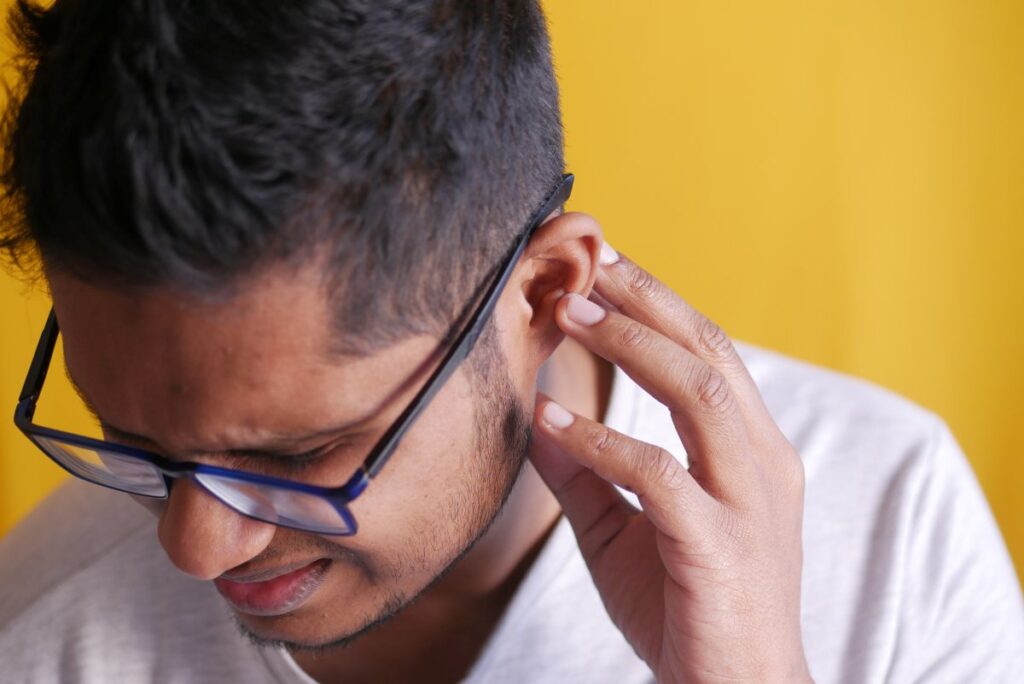
A single gunshot can produce sounds over 140 decibels, which is enough to cause immediate and permanent hearing damage. Regular exposure to gunfire without proper hearing protection basically guarantees hearing loss eventually.
Motorcycles, lawn equipment, woodworking tools – all of these hover around 90-100 decibels. Do them regularly without ear protection and you’re steadily damaging your hearing, probably without even realising it.
Women participate in these activities too, obviously, but statistically less frequently and often for shorter durations. The cumulative effect of decades of recreational noise exposure adds up significantly for men.
Biological and Hormonal Differences
Biology plays a role too, though it’s less understood than occupational factors. There’s evidence that oestrogen may have protective effects on hearing, potentially shielding women’s ears from age-related and noise-induced damage.
Research suggests oestrogen helps maintain blood flow to the inner ear and protects against oxidative stress, both of which contribute to hearing health. Men don’t have this same hormonal protection, which might make them more vulnerable to hearing damage from the same noise exposure.
Testosterone may also play a role, though the research here is less clear. Some studies suggest higher testosterone levels correlate with increased hearing loss risk, but this relationship isn’t fully understood yet.
What is clear is that women’s hearing seems to hold up better over time, even when controlling for noise exposure. Biology gives women some inherent advantages when it comes to maintaining hearing health.
Cardiovascular Health Connections
Cardiovascular disease is more common in men, and your cardiovascular health directly impacts your hearing. The inner ear relies on tiny blood vessels to supply oxygen and nutrients to the hair cells responsible for hearing.
When cardiovascular disease restricts blood flow, the inner ear doesn’t get adequate oxygen. This damages or kills the hair cells, leading to hearing loss. Men’s higher rates of heart disease, high blood pressure, and diabetes all contribute to poorer hearing outcomes.
Smoking is another factor – more common in men (though again, the gender gap is closing). Smoking damages blood vessels and reduces oxygen delivery to the inner ear, accelerating hearing loss.
Men Seek Help Later
Here’s a social factor that makes the problem worse: men are significantly less likely to seek help for hearing loss compared to women. They wait longer to get tested, resist wearing hearing aids, and generally just tough it out for years before addressing the issue.
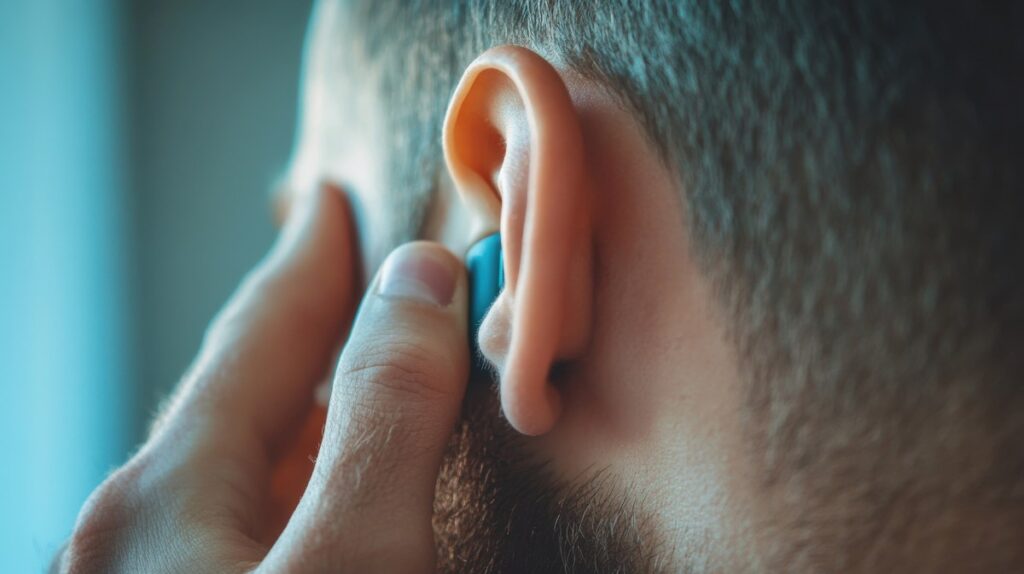
This delay means men often live with untreated hearing loss for much longer, which can worsen the problem and lead to additional complications like social isolation, depression, and cognitive decline.
Women tend to be more proactive about health issues generally, including hearing. They’re more likely to notice changes in their hearing, mention it to a doctor, and actually follow through with treatment recommendations.
By the time many men finally seek help, their hearing loss is more advanced and potentially harder to manage effectively. Early intervention matters enormously for hearing loss outcomes.
Military Service
Military service is another significant factor, and it overwhelmingly affects men. Veterans have exceptionally high rates of hearing loss and tinnitus due to exposure to explosions, gunfire, aircraft noise, and other extreme sounds during service.
Even with modern hearing protection, military environments are incredibly damaging to hearing. Combat situations, training exercises, and equipment operation all create noise levels that cause permanent damage.
The long-term effects of military noise exposure often don’t fully manifest until decades later, which is why many veterans develop serious hearing problems in middle age or later.
Genetic Factors
Some research suggests there may be genetic components to hearing loss that affect men and women differently, though this area needs more study. Certain genetic variations that increase hearing loss risk may be more common in men or may interact differently with male biology.
The X chromosome carries genes related to hearing function, and since men only have one X chromosome (versus women’s two), they don’t have the backup if something goes wrong with hearing-related genes on that chromosome.
This is still an emerging area of research, but it suggests biology may predispose men to higher hearing loss risk independent of environmental factors.
What This Means Practically
Understanding why men experience more hearing loss doesn’t change the reality, but it does highlight the importance of prevention and early intervention.
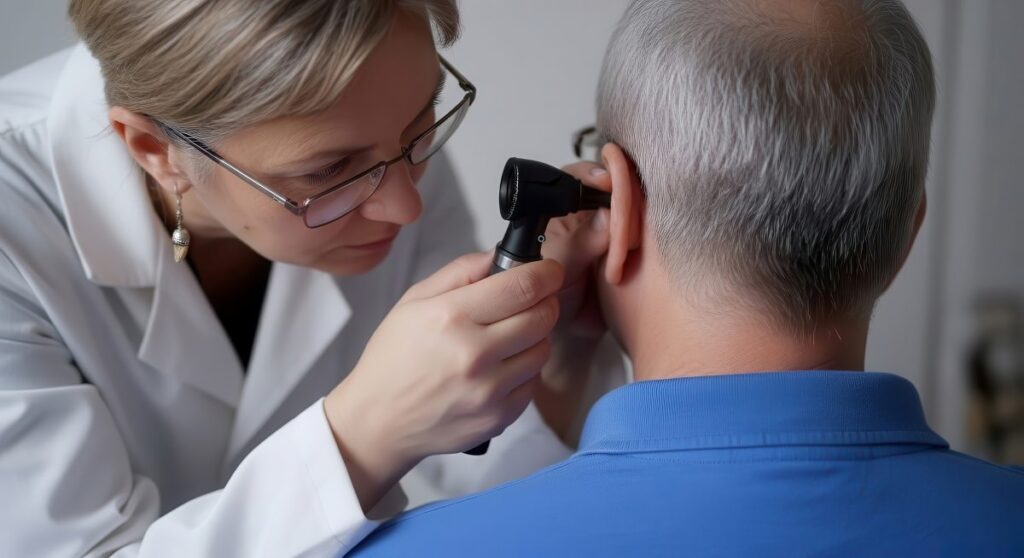
If you’re a man working in loud environments or engaging in noisy hobbies, wearing proper hearing protection isn’t optional – it’s essential. Custom-fitted earplugs, noise-cancelling earmuffs, or other protective equipment can genuinely prevent significant hearing damage.
Regular hearing tests matter too, especially if you’re over 50 or have risk factors. Catching hearing loss early means you can take steps to prevent further damage and address existing issues before they significantly impact your quality of life.
For professional ear and hearing care, getting assessed by qualified audiologists like us at VIP Hearing ensures you understand your hearing health and can make informed decisions about protection and treatment.
Cardiovascular Health Matters
Because cardiovascular health directly affects hearing, taking care of your heart helps protect your ears too. Managing blood pressure, controlling cholesterol, staying active, eating well, not smoking – all of these reduce your hearing loss risk along with your heart disease risk.
It’s one of those areas where general health improvements have multiple benefits, including protecting your hearing as you age.
The Bottom Line
Men experience higher rates of hearing loss primarily due to greater occupational and recreational noise exposure, combined with biological factors like hormonal differences and higher cardiovascular disease rates. Social factors – like delayed help-seeking – make the problem worse.
But hearing loss isn’t inevitable just because you’re male. Protecting your ears from loud noise, maintaining good cardiovascular health, and getting regular hearing assessments can all reduce your risk and catch problems early.
The gender gap in hearing loss is real and significant, but much of it is preventable. Taking your hearing health seriously – especially if you work in loud environments or have hobbies that expose you to damaging noise – makes an enormous difference in maintaining your hearing as you age.