
On This Page
If you’ve ever headed home after a night out at a bar, a pub or perhaps a live music event, and found that your ears are ringing or don’t feel quite right – don’t fret! This is actually an incredibly common response to excessive noise, and is usually nothing to worry about.
Let’s take a closer look at why noise-induced hearing loss occurs, what to do about it, and when to worry.
What is Noise-Induced Hearing Loss?
Noise-induced hearing loss is damage caused by exposure to loud sound. It happens when noise harms the tiny sensory hair cells in the cochlea, deep in the inner ear. It can follow one intense blast or repeated exposure over years — concerts, power tools or noisy workplaces. Because human hair cells don't grow back, the loss is usually permanent, but preventable.
You know how sometimes after a noisy event, your ears feel a bit funny? Maybe they ring a little, or sounds seem muffled? Well, that’s your ears telling you they’ve had a bit too much noise. Noise-induced hearing loss happens when our poor ears have been exposed to loud sounds for too long or too often, with live music and concerts being one of the most common causes.
It’s More Common Than You Think
You might be thinking, “Well, I’m not around loud noises or music events much these days.” But here’s the thing – it’s not just about right now. All those noisy moments in our lives add up over time. Maybe you worked in a factory years ago, or you used to love going to loud concerts. Perhaps you’re a DIY enthusiast who’s spent years using power tools. All of these can contribute to noise-induced hearing loss.
How Does Noise Damage Our Hearing?
Loud sound sets the fluid in your cochlea moving so forcefully that it bends and damages the hair cells that turn sound into nerve signals. Brief exposure may cause a temporary dip in hearing that recovers within a day or two, but prolonged or repeated loud noise can destroy these cells permanently, often leaving tinnitus.

The auditory system, particularly the inner ear, contains sensitive structures susceptible to acoustic trauma, with the hair cells within the cochlea being especially vulnerable to damage from excessive noise exposure. Brief exposure to loud sounds may cause temporary threshold shifts, from which the auditory system can often recover.
However, prolonged or repeated exposure to high-intensity noise, or a single instance of extremely loud sound, can result in permanent damage to these delicate structures, leading to irreversible hearing loss.
Signs to Watch Out For
So, how do you know if you’re experiencing noise-induced hearing loss? Here are a few signs:
- You’re experiencing ringing in your ears (tinnitus) alongside hearing difficulties, usually directly after noise exposure.
- You find yourself turning up the volume on the telly more than before.
- Sounds seem muffled, but your hearing was fine before the event.
It’s Not Just About Volume
Now, you might think that as long as you avoid very loud noises, you’re in the clear, but it’s not quite that simple. Even moderately loud noises can cause damage if you’re exposed to them for long enough. It’s a bit like sunburn – a short time in strong sun can burn you, but so can a long time in milder sun.
Common Culprits in Our Daily Lives
You might be surprised by some of the everyday things that can contribute to noise-induced hearing loss:
- Lawn mowers and leaf blowers
- Kitchen appliances like blenders
- Loud music, especially through headphones
- Traffic noise, particularly if you live on a busy road
- Even some medical devices, like oxygen tanks, can be noisy
Protecting Your Hearing
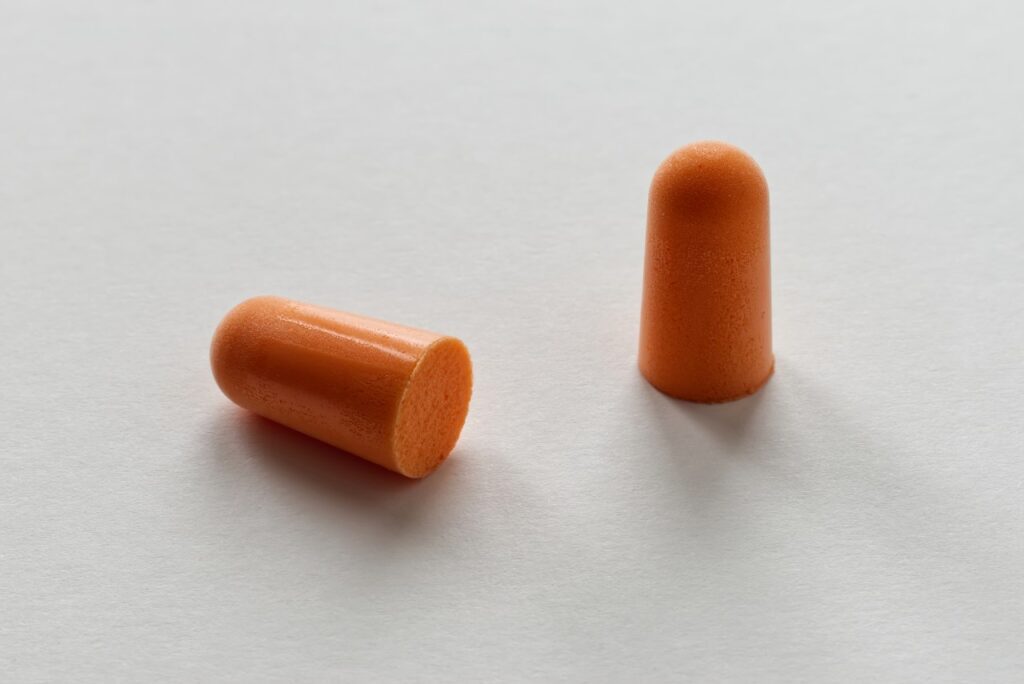
Now, don’t let all this worry you too much. There’s plenty we can do to protect our hearing, even at our age. Here are some tips:
- Turn it down: If you’re watching telly or listening to music, keep the volume at a comfortable level. If others say it’s too loud, it probably is.
- Take breaks: If you’re in a noisy environment, give your ears a rest now and then. Step outside or find a quiet corner for a few minutes.
- Use ear protection: If you’re using noisy equipment like a lawn mower, pop in some earplugs or wear earmuffs. You can get these at most chemists.
- Keep your distance: When you can, stay away from the source of loud noises. Every little bit of distance helps.
It’s Never Too Late to Start Protecting Your Hearing
Some of you might be thinking, “Well, I’ve already been exposed to a lot of noise in my life. Isn’t it too late?” Not at all! While we can’t undo past damage, we can certainly prevent further harm. Every day you protect your hearing is a win.
Hearing Aids Can Help
If you’re already experiencing some hearing loss, don’t suffer in silence. Modern hearing aids are marvellous devices – small, comfortable, and very effective, and capable of making a world of difference in your daily life. Recognising severe hearing loss indicators can help you determine when it’s time to take action and consult a professional.
Regular Check-ups are Important
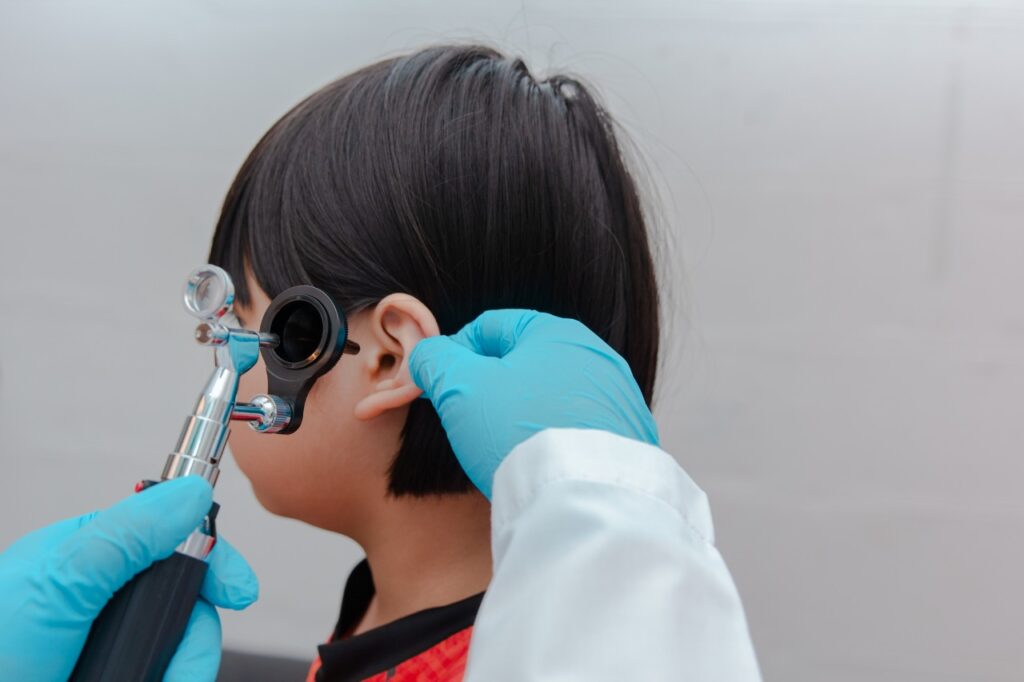
Just like you go to the dentist or have your eyes tested, it’s important to have your hearing checked regularly. At VIP Hearing, the leading hearing clinic in London, our expert team can conduct a comprehensive auditory test and even recommend hearing aids that best suit your situation.
Don’t Be Shy About Seeking Help
Sometimes, we might feel a bit embarrassed about admitting we’re having trouble hearing. But remember, looking after your hearing is just as important as any other aspect of your health. There’s no shame in it – in fact, it’s a sign that you’re taking good care of yourself!
Enjoying Life with Healthy Hearing
Taking care of your hearing doesn’t mean you can’t enjoy life to the fullest. You can still listen to music, watch films, and spend time with your loved ones. The key is to do it in a way that’s kind to your ears.
Remember, good hearing helps us stay connected to the world around us. It lets us chat with friends, enjoy the sounds of nature, and hear our grandchildren’s laughter – so in understanding noise-induced hearing loss and taking steps to protect your hearing, you can continue to fully engage in the world around you for years to come.