

On This Page
When we think about hormones, hearing isn’t usually the first thing that comes to mind. Most people connect hormones with mood, sleep, energy, or metabolism – but these chemical messengers influence much more than that. In fact, hormonal changes can play a surprisingly important role in ear health and hearing ability.
From pregnancy to menopause, and even throughout monthly cycles, fluctuations in oestrogen, progesterone, and other hormones can affect the way the auditory system functions. For some, the changes are temporary and mild. For others, they can be noticeable enough to impact daily life.
So how exactly do hormones affect your hearing, and why does it matter?
The Link Between Hormones and the Ear
Hormones regulate countless processes in the body, and the auditory system is no exception. The inner ear, particularly the cochlea, is sensitive to changes in blood flow, fluid balance, and nerve function – all of which are influenced by hormones.
Oestrogen, for example, has been linked to the health of auditory pathways. It appears to have a protective effect on nerve cells, helping with signal transmission between the ear and the brain. When oestrogen levels drop, some people may notice changes in their hearing clarity or even an increased sensitivity to tinnitus (ringing in the ears).
Progesterone, on the other hand, may contribute to fluid retention, which can affect how sound waves are transmitted through the inner ear. This can sometimes explain why hearing feels “different” at certain times of the month.
Hormonal Changes Across Life Stages
Puberty
During puberty, surges in hormones reshape the body in many ways, and hearing is not immune. While most young people won’t notice major hearing changes, the hormonal upheaval can sometimes influence sensitivity to sound or contribute to issues like tinnitus.
Menstrual Cycle
Some women report subtle shifts in hearing or ear health linked to their cycle. Around ovulation or just before menstruation, when hormone levels fluctuate sharply, there may be a temporary sense of fullness in the ears, mild tinnitus, or changes in sound sensitivity. These effects are often short-lived but can still feel unsettling.
Pregnancy
Pregnancy brings profound hormonal changes, particularly increases in oestrogen and progesterone. These can affect circulation and fluid balance, leading some expectant mothers to notice muffled hearing, increased ear pressure, or occasional ringing in the ears.
In most cases, these changes resolve after pregnancy, but they can add another layer to the already complex physical adjustments of this stage of life.
Menopause

Menopause is one of the clearest examples of how hormones can influence hearing. As oestrogen levels decline, many women report experiencing new or worsening hearing difficulties. Research suggests this may be because oestrogen helps protect the delicate nerve pathways that carry sound information to the brain.
Some studies have also linked menopause to an increased risk of age-related hearing loss. While ageing itself is a factor, hormonal shifts can accelerate or intensify the process.
Thyroid and Other Hormonal Disorders
It’s not only reproductive hormones that matter. Thyroid imbalances, adrenal issues, and other endocrine disorders can also affect hearing. Hypothyroidism, for example, has been associated with hearing loss and tinnitus in some individuals.
Common Symptoms Linked to Hormonal Hearing Changes
The way hormones affect hearing varies from person to person, but some of the most common experiences include:
- Tinnitus (ringing or buzzing sounds in the ears)
- Temporary hearing loss or muffled hearing
- Sensitivity to loud noises
- A feeling of fullness or pressure in the ears
- Balance difficulties (as the inner ear also controls equilibrium)
It’s important to note that these symptoms don’t always mean a serious problem. But if they persist or worsen, they should be checked by a hearing professional.
Why Understanding the Connection Matters
Recognising the link between hormones and hearing can prevent unnecessary worry. If you notice hearing changes during pregnancy or menopause, for example, knowing that hormones may be playing a role can provide reassurance.
It also highlights the importance of regular hearing checks, particularly during life stages with significant hormonal shifts. Early monitoring can identify whether changes are temporary or if they indicate an underlying condition that needs attention.
What Can Be Done?
You can't stop hormones fluctuating, but you can protect your hearing. Track when symptoms appear, stay well-hydrated, active and nourished, and manage stress, which can worsen ear symptoms. See an audiologist if changes persist or worsen — the NHS advises checking tinnitus that is regular or getting worse — so any underlying cause is identified early.
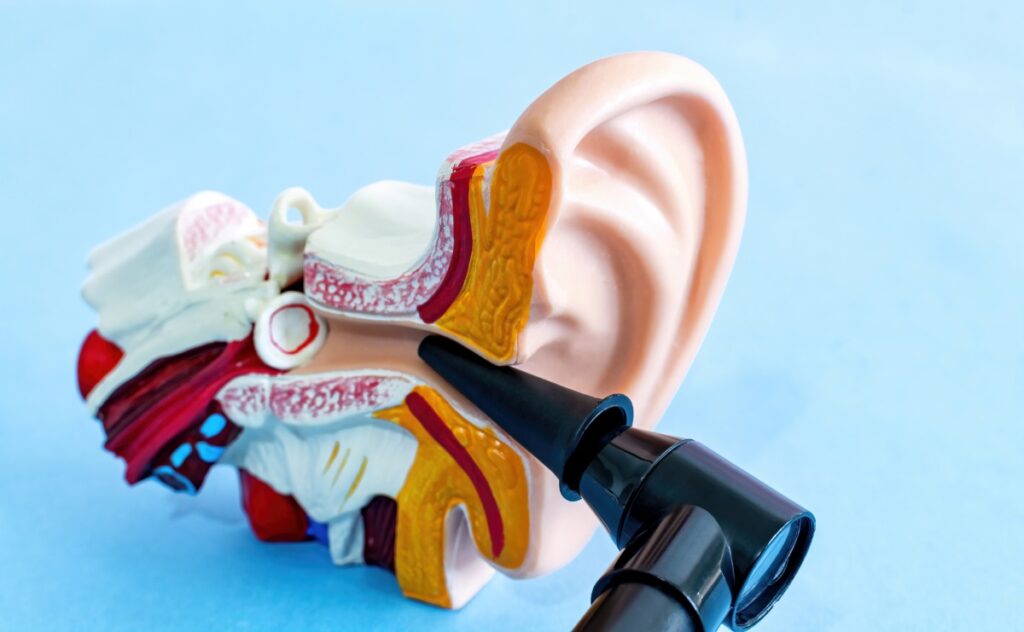
While you can’t control hormonal changes entirely, there are steps to support hearing health during these times:
- Monitor symptoms: Keep track of when changes occur and whether they coincide with hormonal cycles or life stages.
- Maintain overall health: Good nutrition, hydration, and exercise support both hormonal balance and ear function.
- Manage stress: Stress itself can worsen hearing issues. Understanding the overlap between hormonal and stress-related hearing changes may help in managing symptoms.
- Seek professional support: An audiologist can assess whether changes are temporary or part of a longer-term hearing condition.
In some cases, treatment may include hearing aids, sound therapy, or addressing the underlying hormonal issue in partnership with your GP or specialist.
Final Thoughts
Hormonal changes are a natural part of life, but they can influence hearing in ways many people don’t expect. From subtle shifts during the menstrual cycle to more pronounced changes during pregnancy or menopause, hormones can shape the way we hear and experience sound.
The key is awareness. If you notice changes in your hearing that seem linked to hormonal shifts, it’s worth having them assessed. That way, you’ll know whether it’s a temporary effect or something that needs longer-term support.
At VIP Hearing Solutions, our trusted hearing care specialists provide personalised guidance to help you understand and manage changes in your hearing at every stage of life. Because when it comes to ear health, small insights can make a big difference.