
On This Page
Hearing loss affects millions across the UK. It’s also surprisingly misunderstood. These misunderstandings prevent people from seeking help early, lead to ineffective management, or create unnecessary anxiety. Worth addressing directly.
Only Elderly People Lose Their Hearing
This might be the most persistent myth. Hearing loss spans all ages. Noise exposure, genetic factors, infections, medications, various health conditions – any of these can impact hearing at any life stage.
Young adults frequently experience noise-induced hearing loss from concerts, nightclubs, prolonged headphone use at excessive volumes. Children develop hearing problems from ear infections, congenital conditions, ototoxic medications. Assuming hearing loss belongs exclusively to later life delays diagnosis in younger people, potentially allowing reversible conditions to become permanent.
Hearing Loss Is Always Obvious

Many imagine hearing loss as dramatic, sudden inability to hear. Most hearing deterioration occurs gradually. Almost imperceptibly. You ask people to repeat themselves more frequently, turn up the television slightly higher each month, struggle to follow conversations in busy restaurants – without consciously recognising these as problems.
This gradual progression means people adapt unconsciously, developing coping mechanisms that mask the extent of their difficulties. Family members or colleagues often notice the problem before the person experiencing it fully acknowledges the changes. These are signs of hearing loss you shouldn’t ignore, even when they seem minor at first.
Hearing Aids Restore Perfect Hearing
Modern hearing aids offer remarkable technology. They don’t function like glasses that simply correct vision to normal. Hearing aids amplify and process sound, making speech clearer and environmental sounds more accessible. They cannot restore hearing to exactly how it functioned before loss occurred.
This doesn’t diminish their value. Properly fitted hearing aids significantly improve quality of life, communication ability, social engagement. Realistic expectations matter though. Some situations will always present challenges, particularly environments with complex background noise or poor acoustics.
You Can Wait Until It Gets Severe

Some people believe delaying treatment for mild hearing loss makes little difference since the problem isn’t yet significantly impacting their lives. Research challenges this assumption. Untreated hearing loss has been linked to cognitive decline, social isolation, depression, even increased risk of falls.
The brain’s ability to process speech relies on consistent auditory input. When hearing deteriorates and remains unaddressed, neural pathways responsible for understanding speech can weaken. Earlier intervention helps maintain these pathways, potentially making adjustment to hearing aids easier and more effective.
Hearing Loss Only Affects Your Ears
Hearing difficulties extend far beyond reduced sound. The condition impacts mental health, relationships, professional performance, overall wellbeing. Conversations become exhausting rather than enjoyable. Social gatherings transform into stressful experiences filled with guesswork and embarrassment. Professional meetings where you can’t follow discussions may limit career progression.
The psychological burden shouldn’t be underestimated. Many people with untreated hearing loss report frustration, anxiety, loneliness. Partners and family members also experience strain when communication becomes increasingly difficult. Addressing hearing loss benefits not just the individual but their entire social network, which is why working with professionals who can protect your hearing long-term makes such a difference.
Cleaning Your Ears Prevents Hearing Loss
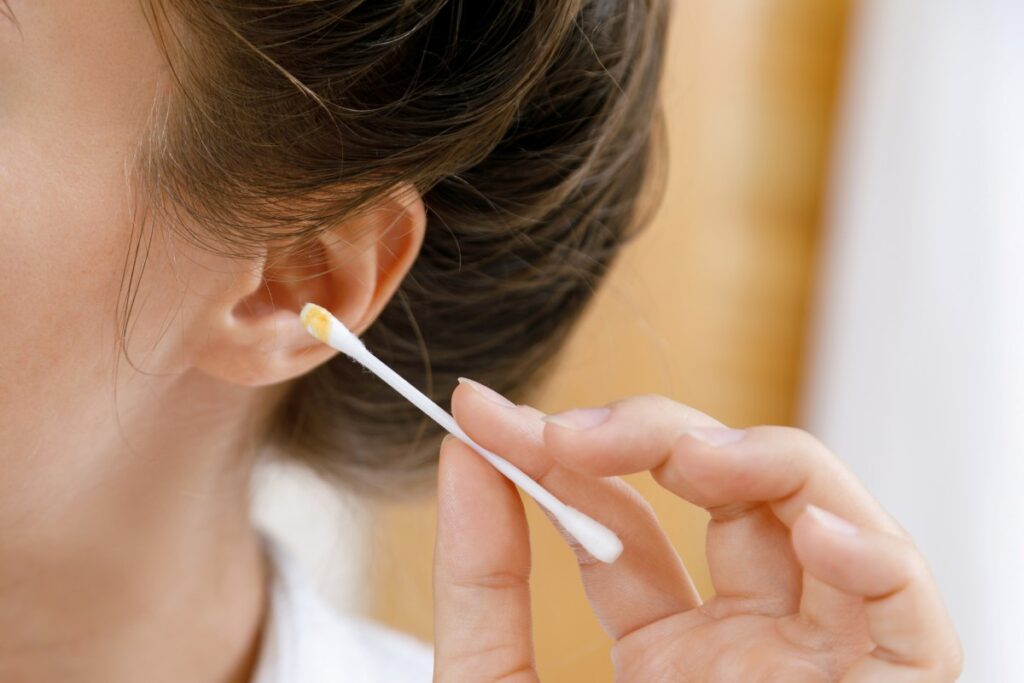
Excessive ear wax can temporarily reduce hearing. Aggressive cleaning doesn’t prevent hearing loss and may actually cause harm. Cotton buds push wax deeper into the ear canal, potentially impacting it against the eardrum. They can also damage delicate ear canal skin or even perforate the eardrum itself.
Ears generally clean themselves naturally through gradual wax migration outward. When build-up occurs, professional removal provides the safest solution. Understanding the connection between ear pain and headaches that can accompany impacted wax helps distinguish between issues requiring professional intervention and normal ear function.
All Hearing Loss Is Permanent
Not all hearing difficulties represent irreversible damage. Ear infections, fluid build-up, certain medications, ear wax accumulation – these can all cause temporary hearing reduction that improves with appropriate treatment. Some forms of structural damage can be surgically corrected.
This possibility makes professional assessment necessary. Assuming hearing loss is permanent might lead someone to dismiss potential solutions that could genuinely help their specific situation. Equally, assuming all hearing problems resolve themselves can delay intervention for progressive conditions where early action makes significant difference.
Moving Past the Myths
Understanding what hearing loss actually involves, how it develops, what can be done about it – this empowers better decision-making. If you’ve noticed changes in your hearing, experienced comments from others about your hearing, or found yourself avoiding situations due to difficulty following conversations, professional assessment offers clarity.
Recognising the early signs of hearing loss doesn’t mean accepting limitations. It means taking control of your hearing health with accurate information rather than assumptions. Modern audiology offers sophisticated diagnostic tools, diverse treatment options, ongoing support that can genuinely transform how you experience sound and engage with the world around you.