


On This Page
- Why Spotting Early Signs Of Hearing Loss In Adults Matters
- Is Everyone Mumbling, Or Is It Just You?
- Struggling To Follow Conversations In Noisy Places
- Turning The Volume Up (Again)
- You’re Constantly Saying “Sorry, What?”
- Tinnitus: That Ringing Isn’t Always Innocent
- Others Are Noticing Before You Do
- Is It Just Wax? (It Might Be)
- What Can You Do If You’re Noticing These Signs?
- Final Thoughts
Hearing loss doesn’t happen overnight. Well… usually not. It tends to creep in, subtly at first, like a kettle slowly coming to a boil. You might not even notice it—not really—until the signs are unmistakable. But those early signs? They’re there. They’re whispering before they start shouting. And the sooner you catch them, the better.
So, what should you look out for?
Why Spotting Early Signs Of Hearing Loss In Adults Matters
We don’t talk about it enough, but hearing loss affects far more than just our ears. It shapes how we connect with others, how confident we feel, even how safe we are. Ever missed the oven timer? Or not heard your name called across a busy street?
Left unchecked, hearing loss can lead to increased social isolation, stress, and even cognitive decline. That’s not meant to be alarmist—it’s just the reality. But here’s the good news: catching it early opens the door to manageable, effective solutions.
Is Everyone Mumbling, Or Is It Just You?
If everyone suddenly seems to mumble, your hearing may have changed rather than their speech. Age-related hearing loss affects high frequencies first, muffling the softer consonants — 's', 'f', 'th' and 't' — that carry much of a word's meaning. So speech can sound present but unclear. A hearing check can confirm what's happening.
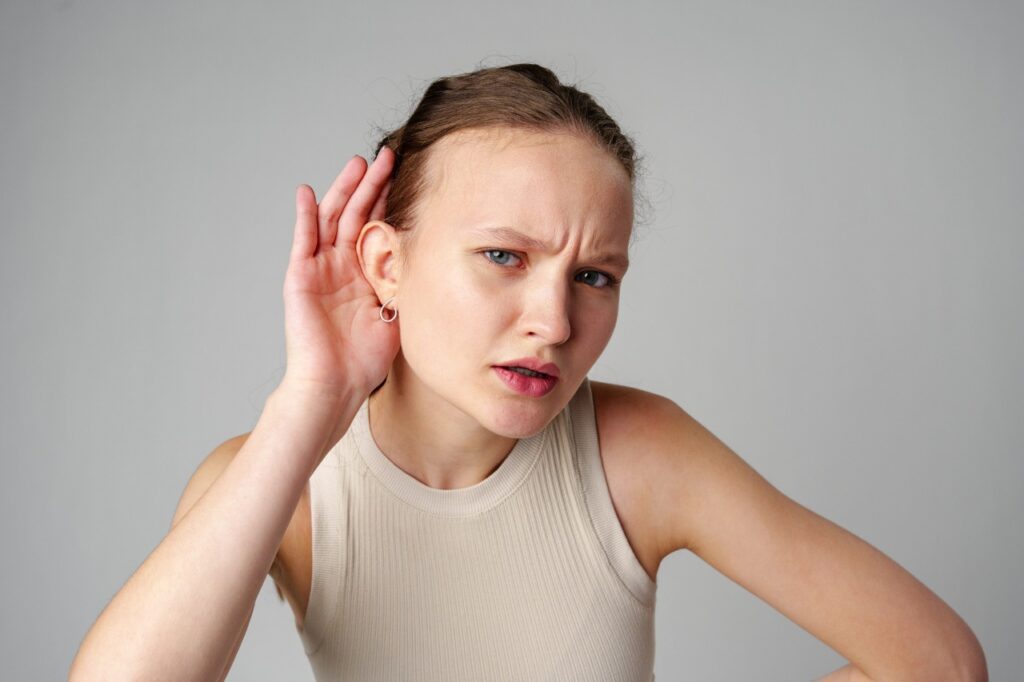
One of the first things many adults notice is that people seem to be mumbling more than usual. It’s frustrating, especially when you’re sure they used to speak more clearly. But here’s the thing—they probably haven’t changed. Your hearing might have.
High-frequency hearing loss, which is incredibly common with age, makes it hard to distinguish consonants like “s”, “f”, “th” and “t”. That means even if someone is speaking clearly, it can sound muffled or incomplete.
Struggling To Follow Conversations In Noisy Places
Cafés, restaurants, pubs… lovely for catching up with friends, not so great if you’re having hearing trouble. When background noise blends with speech, your ears have to work overtime to separate what matters from what doesn’t. If you’re finding yourself nodding along while missing chunks of the chat, that’s a red flag.
Our brains are remarkably adaptable, and they do try to compensate. But over time, this effort becomes exhausting. You might find yourself avoiding these situations altogether—and that’s when hearing loss begins to limit your lifestyle.
Turning The Volume Up (Again)
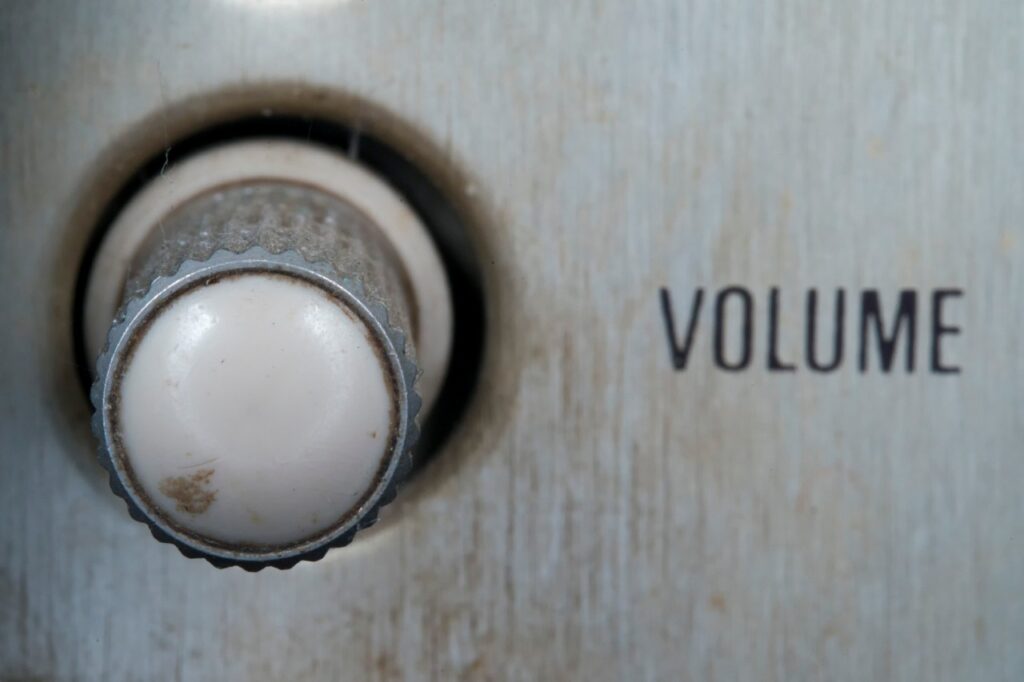
If your TV volume keeps creeping upward and family members complain it’s too loud, it might not be the telly—it could be your ears. Needing higher volume levels to feel comfortable is another classic early indicator.
And not just with the TV. It might be with your headphones, your car radio, even the microwave beeping. When everyday sounds begin to feel distant or indistinct, it’s time to take notice.
You’re Constantly Saying “Sorry, What?”
Everyone asks for repetition now and then, especially with poor phone signals or noisy rooms. But if you notice yourself asking people to repeat themselves multiple times in a single conversation, that’s worth paying attention to.
And let’s be honest, it can get awkward. People might start speaking louder around you, or you might find yourself pretending you understood just to keep the conversation moving. This kind of coping strategy works in the short term… but it isn’t a solution.
Tinnitus: That Ringing Isn’t Always Innocent
Tinnitus—a ringing, buzzing or humming sound in your ears with no external source—can be an early warning sign. It doesn’t always mean hearing loss, but the two often go hand in hand. If you’re hearing sounds that no one else can, particularly in quiet moments, that’s something to bring up with a hearing professional.
Tinnitus can be incredibly frustrating, especially when it affects sleep or concentration. Luckily, treatments and sound therapy options are available.
Others Are Noticing Before You Do
We get it—you’re used to relying on your senses. So when someone else suggests your hearing might be going, it can feel a bit… pointed. But often, loved ones notice the signs before we do.
They might mention that you missed the doorbell. Or that you didn’t react when someone called you from the next room. Don’t dismiss their observations. They’re not nagging—they’re trying to help.
Is It Just Wax? (It Might Be)
It might well be. A build-up of earwax can block the ear canal and cause hearing loss, earache or a feeling of fullness, and it can affect one or both ears — so it's worth ruling out before assuming permanent loss. Never dig it out with cotton buds, which push wax deeper; have it removed safely by a professional.

Not all hearing difficulties are caused by permanent loss. Sometimes, the culprit is something far simpler: ear wax. Yes, really.
A build-up can block the ear canal and reduce your ability to hear clearly. That’s why it’s worth ruling it out before assuming the worst. For safe, effective removal, we always recommend ear wax removal by qualified specialists. Please don’t go digging around with cotton buds—that usually makes things worse.
What Can You Do If You’re Noticing These Signs?
Don't panic, but don't ignore it either. The first step is a hearing check — simple, quick and non-invasive — which shows whether the cause is something treatable like earwax or age-related hearing loss. The NHS advises seeing a GP about any hearing problems, as some causes are easily treated. Early action protects your long-term hearing health.
If any of this sounds familiar, you don’t need to panic. But you also shouldn’t ignore it. The first step is a hearing check—simple, non-invasive, and incredibly informative.
At VIP Hearing Solutions, we offer full assessments tailored to you. Whether it’s age-related hearing loss, noise damage, or something else entirely, we’ll help you understand what’s happening and what your options are.
For more in-depth information, you can learn the different types of hearing loss and how each one might affect you differently.
Final Thoughts
Hearing loss doesn’t need to be scary. But it does need attention.
Recognising the early signs of hearing loss in adults can make a massive difference to your long-term hearing health, your relationships, and your overall quality of life. If you suspect something’s not quite right, trust your instincts. Let’s get it checked out.
We’re here when you’re ready.


