
On This Page
Hearing loss is a common complaint in the UK, with an estimated 11 million people suffering from some form of hearing difficulty. If you’ve recently noticed that your hearing abilities have taken a nosedive, or if you’ve been diagnosed with full or partial hearing loss, it’s completely normal to wonder if it can be reversed – and if so, how? Let’s take a look.
What is Hearing Loss?
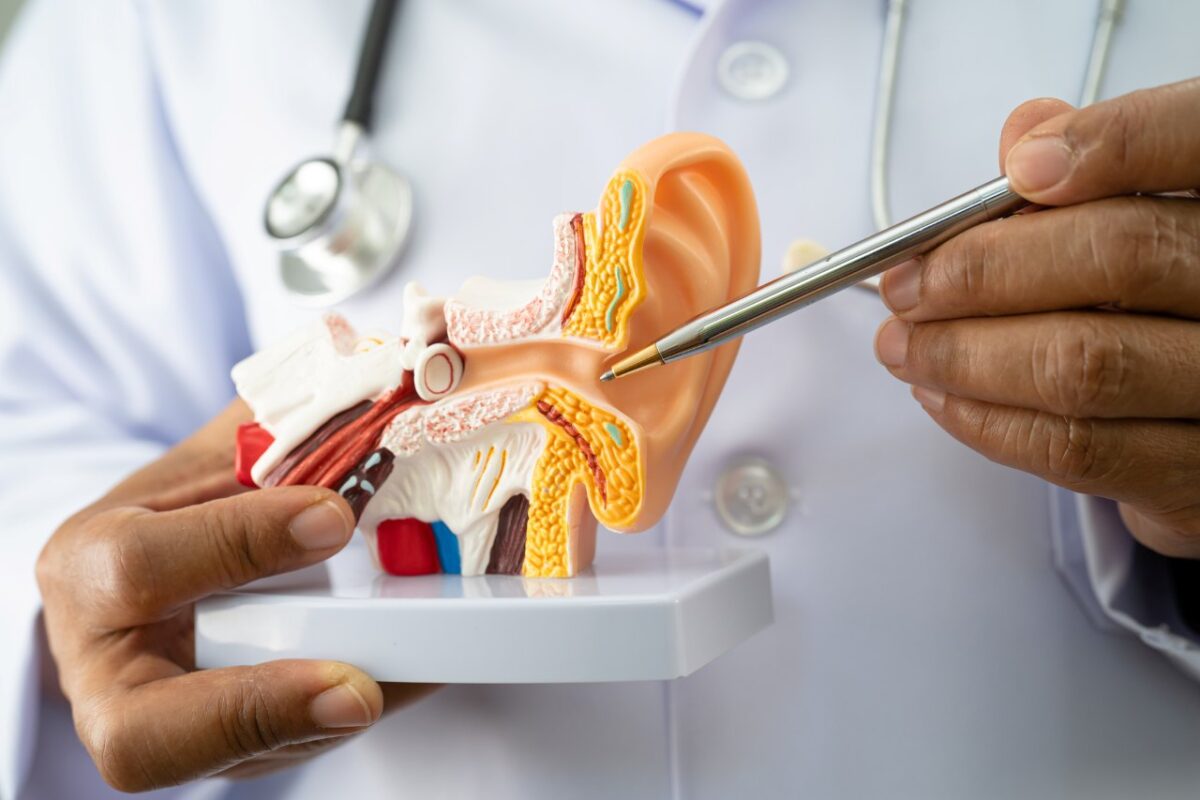
Hearing loss means a reduced ability to hear, often so gradual you only notice when conversations in noise become a struggle or you ask people to repeat themselves. It ranges from mild to profound and can affect one or both ears, stemming from problems anywhere along the pathway from the outer ear to the brain.
First things first, let’s talk about what we mean when we say ‘hearing loss.’ It’s not just about turning up the TV volume (though that might be a sign); hearing loss can sneak up on you, affecting how you interact with the world around you. It’s a bit like someone slowly turning down the volume on life, and it’s often only noticeable when the difference is considerable.
You might find yourself struggling to follow conversations in noisy restaurants, or having to ask loved ones to repeat themselves over and over. After a while, hearing loss can significantly impact your day-to-day life and interactions – and it’s not just about the sounds you can’t hear, but about the connections and experiences you might be missing.
Types of Hearing Loss
It’s also worth noting that not all hearing loss is the same – let’s take a look at how each one differs from the other.
Sensorineural Hearing Loss
First up is sensorineural hearing loss. This is the most common type and it happens when there’s damage to your inner ear or the nerve pathways from your inner ear to your brain. Think of it like a broken telephone line – the sound is being transmitted, but it’s getting scrambled along the way.
Conductive Hearing Loss
Next, we’ve got conductive hearing loss. This occurs when sound waves can’t make their way through the outer and middle ear. It’s like trying to hear through a wall – the sound is there, but it’s being blocked.
Mixed Hearing Loss
Lastly, there’s mixed hearing loss, which is, you guessed it, a combination of sensorineural and conductive hearing loss.
So, Can You Actually Reverse Hearing Loss?
Sometimes yes, sometimes no. Reversible causes include earwax build-up, ear infections, a perforated eardrum, and sudden sensorineural hearing loss treated promptly. But age-related (presbycusis) and long-term noise-induced loss are permanent, because the inner ear's sensory hair cells do not grow back once damaged. A hearing test identifies which type you have.

The answer? Well, it’s complicated (isn’t it always?). In some cases, yes, hearing loss can be reversed. In others, not so much. Let’s break it down:
Sudden Hearing Loss
When reversal might be possible, it’s often in cases of sudden hearing loss. Imagine waking up one day and suddenly one ear just isn’t working right. It’s scary, but don’t panic! This can sometimes be reversed if treated quickly.
Earwax Buildup
Another reversible cause? Good old ear wax. Yep, sometimes it’s as simple as clearing out the gunk. It’s like cleaning a clogged drain – once you clear the blockage, everything flows smoothly again.
Conductive Hearing Loss Treatment
Some types of conductive hearing loss can also be reversed. Issues like ear infections or a perforated eardrum often respond well to treatment, and any infection-induced hearing loss will clear up along with the infection. Understanding the causes of hearing loss can help you recognize potential issues.
When Reversal Gets Tricky
Age-Related Hearing Loss
Here’s where it gets trickier. Age-related hearing loss, known in the medical world as presbycusis, is tough to reverse. As we age, the delicate hair cells in our inner ear can start to wear out, and there’s not much that can be done to reverse this.
Noise-Induced Hearing Loss
Noise-induced hearing loss is another tough one. Those hair cells in your inner ear are fragile little things, and once they’re damaged by loud noises, they’re often gone for good. Although to be clear, we’re talking about years of noise-induced hearing loss here – hearing problems and tinnitus caused by brief exposure to loud noise (such as a concert) will typically go away in a few days.
What Can You Do About It?
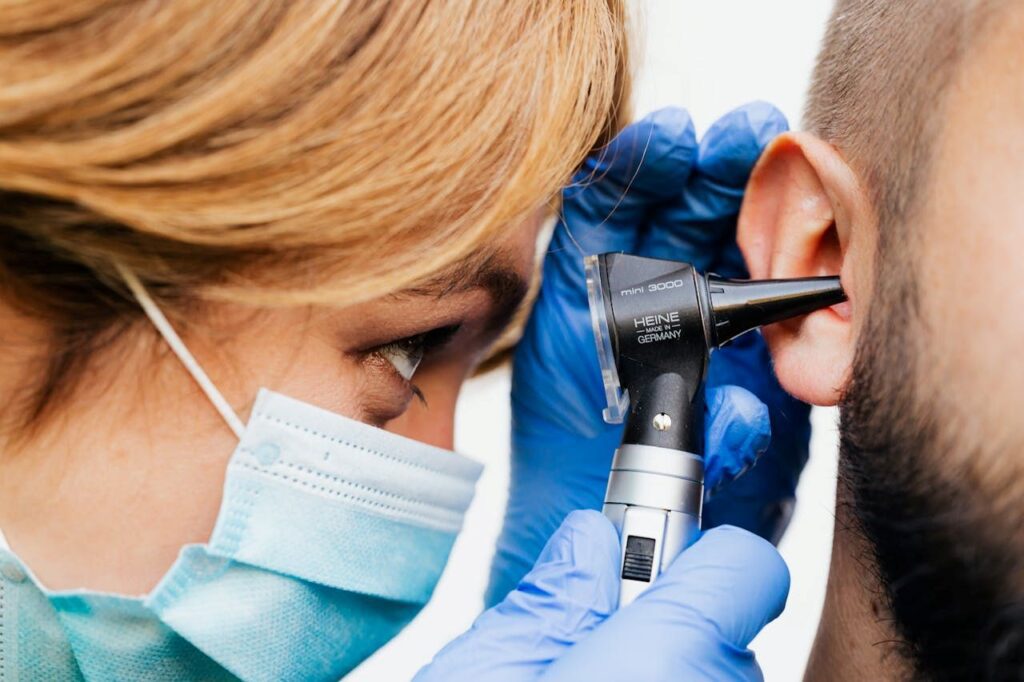
Start by getting your hearing checked by a HCPC-registered audiologist — the sooner you act, the better the outcome. If the loss is treatable, addressing the cause may restore hearing; if it is permanent, modern hearing aids can transform clarity. Either way, protect the hearing you have by lowering volumes and wearing earplugs in noisy places.
Get Your Hearing Checked
If you’re noticing changes in your hearing, don’t put off getting a checkup! We know, nobody likes going to the doctor. But at VIP Hearing Solutions, our expert team will always go above and beyond to make sure you’re getting the most effective, comfortable and reassuring experience possible.
Embrace Hearing Aids
If it turns out you need hearing aids, try to embrace them! While there might be a stigma around hearing aids, today’s models are smaller, smarter, and some can even connect to your smartphone. If you’re looking for reliable options, you can shop high-quality hearing aids at our store. We’re here to help you find the perfect fit for your needs.
Protect Your Remaining Hearing
Even if your hearing loss can’t be reversed, protecting what hearing you have left is still a good idea. Turn down the volume when you can, and use earplugs in noisy places.
The Future Looks (and Sounds) Bright

Exciting Research Developments
Here’s some exciting news: researchers are working on some pretty cool stuff when it comes to treating hearing loss; from gene therapies to stem cell treatments, the future does appear promising. And if scientists are able to find tangible ways to regenerate those delicate hair cells in the inner ear, the ability to reverse hearing loss could be a real possibility in the years to come. And at VIP Hearing Solutions, we’re always working at the forefront of new developments in the industry – so if there is good news, we’ll be the first to share it!
Brain Plasticity and Hearing
There’s also a lot of work being done on brain plasticity – that’s the brain’s ability to reorganise itself by forming new neural connections. The idea is that even if we can’t fix the ear itself, we might be able to train the brain to make better use of the sound information it does receive.
The Bottom Line
The Importance of Hearing Health
Remember, your hearing health is a big deal. Your hearing keeps you connected to the world around you, whether it be through enjoying music, participating in conversations, or simply hearing the laughter of your loved ones. To sum it up in one sentence, it’s about quality of life.
Take Action for Your Ears
So take care of those ears, folks. If you’re concerned about your hearing, don’t hesitate to reach out to one of our experts – we’re here to help, and the sooner you address any issues, the better the outcome is likely to be.
Stay Hopeful and Informed
And don’t forget to stay curious about advances in hearing science! Who knows? The next big breakthrough could be just around the corner. And maybe one day, reversing hearing loss will be as common as getting a pair of glasses. Until then, let’s work with what we’ve got and keep our ears (and minds) open to all the wonderful sounds life has to offer.