

On This Page
- The Basic Physics of Feedback
- Poor Fit is the Most Common Culprit
- Volume Set Too High
- Earwax Buildup
- Damaged or Worn Components
- Poor Programming or Settings
- Covering Your Ears
- What You Can Do About Whistling
- Modern Feedback Cancellation
- When to Seek Professional Help
- The Stigma Factor
- The Reality Check
- FAQs
- Is feedback harmful to my ears?
- Why do my hearing aids whistle when I put them in?
- Can feedback damage my hearing aids?
- Do expensive hearing aids whistle less?
- Will feedback get worse over time?
- My hearing aids never used to whistle, why now?
That high-pitched whistling sound from hearing aids – technically called feedback – is one of the most common complaints people have about wearing them. It’s annoying for you, potentially embarrassing in quiet environments, and signals that something isn’t working as it should. The good news is that feedback isn’t just something you have to tolerate; there are usually straightforward reasons why it’s happening and equally straightforward fixes that stop it.
The Basic Physics of Feedback
Feedback happens when amplified sound from your hearing aid’s speaker leaks out and gets picked up by the microphone again, creating a loop where the same sound gets amplified repeatedly until you hear that distinctive whistle. It’s the same principle as microphone feedback in PA systems when someone gets too close to a speaker – sound escaping, getting recaptured, and amplifying itself in a continuous cycle.
Modern hearing aids have sophisticated feedback cancellation systems that predict and cancel out feedback before you hear it, but these systems have limits. When sound leakage exceeds what the cancellation can handle, you get whistling. Understanding what causes that leakage helps you prevent it.
Poor Fit is the Most Common Culprit
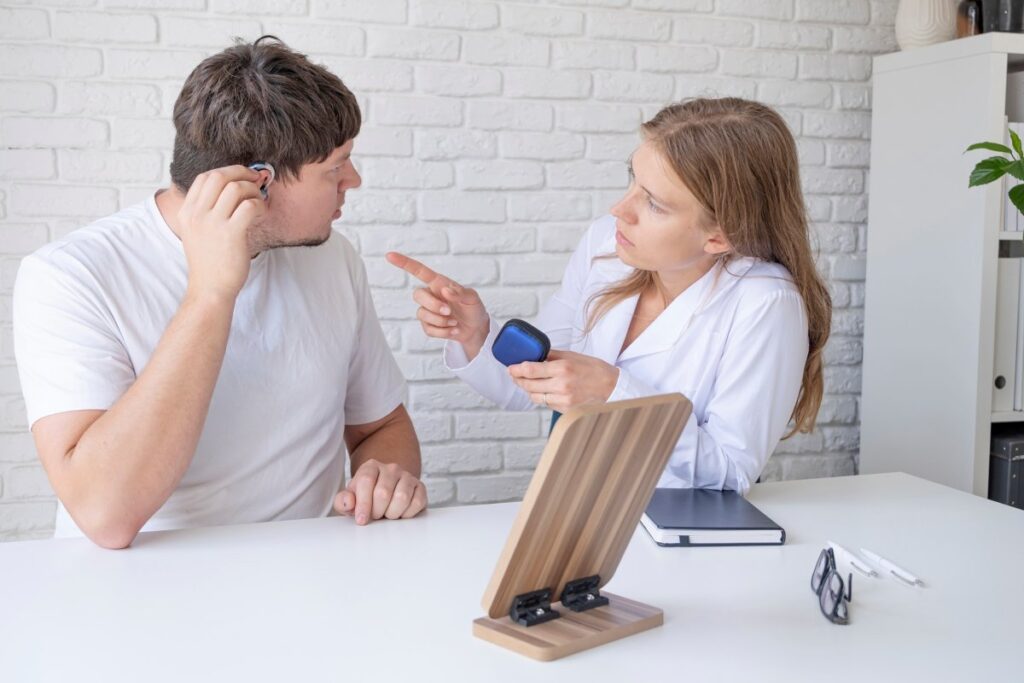
If your hearing aid or ear mould doesn’t fit snugly in your ear canal, amplified sound escapes around the edges and gets picked up by the microphone – this is the single most common cause of feedback. Ear canals change shape slightly when you move your jaw (talking, chewing, yawning), and if your hearing aid fit is already marginal, these movements create gaps that let sound leak out.
Weight changes affect fit too; losing or gaining weight can change the shape of your ear canal slightly, turning a previously perfect fit into one that whistles. Age-related changes in ear shape mean a hearing aid that fit beautifully five years ago might not seal properly now.
If you’re getting persistent feedback, particularly when you weren’t before, your first step should be visiting your audiologist for a fit check. They can assess whether your ear mould or hearing aid tip needs replacing or adjusting – this is routine maintenance rather than a sign you’ve done something wrong.
Volume Set Too High
If your hearing aid volume exceeds what your ear canal can contain acoustically, feedback becomes inevitable – there’s simply too much amplification for the physical space, and sound has to escape somewhere. Some people gradually increase volume over time as they adjust to hearing aids, not realising they’re pushing beyond what’s acoustically sensible for their ear anatomy.
Your audiologist programmes your hearing aids with maximum volume limits to prevent feedback, but if these limits are set incorrectly or you’re adjusting volume inappropriately, whistling results. Modern hearing aids often have automatic volume control that adjusts to environments; if this isn’t calibrated correctly for your specific situation, feedback can occur.
Earwax Buildup
Earwax blocking your ear canal creates a solid surface that reflects sound back toward your hearing aid microphone rather than letting it travel deeper into your ear where it’s absorbed – essentially, you’ve created a sound mirror that bounces amplified sound straight back to where it came from.
Regular ear cleaning helps, though people wearing hearing aids sometimes produce more wax than they did previously (possibly because the hearing aid irritates the ear canal slightly, triggering increased wax production as a protective response). If you’re suddenly experiencing feedback when you weren’t before, and nothing else has changed, wax buildup is a likely suspect.
Don’t attempt to clean your ears with cotton buds or similar implements; you’ll just push wax deeper and potentially damage your ear canal or hearing aid. Professional cleaning through microsuction or irrigation is safer and more effective – understanding how moisture can affect hearing aid performance is another consideration, since damp environments can change how wax behaves in your ears.
Damaged or Worn Components
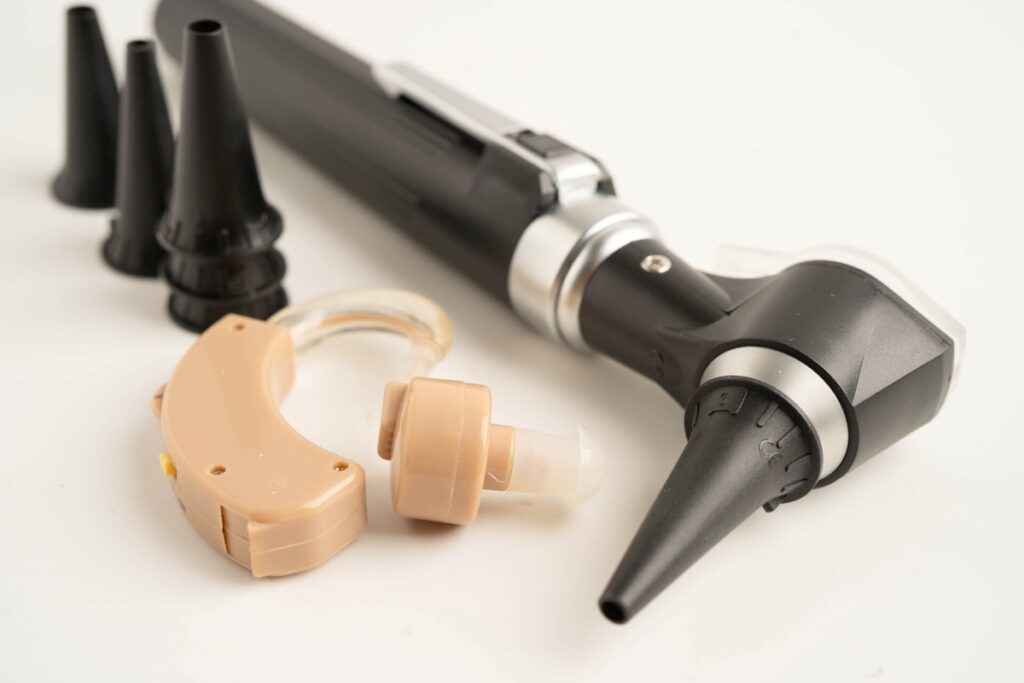
The tube connecting your hearing aid to your ear mould (on behind-the-ear models) becomes stiff and cracked over time, creating gaps that let sound leak out. These tubes need replacing every few months to a year depending on usage and environment – it’s routine maintenance that many people overlook until feedback starts.
Ear moulds themselves wear out. The material degrades, becomes harder, and doesn’t conform to your ear as well as it once did – even small gaps or cracks in ear moulds create feedback pathways. Receiver wires (the thin wire connecting receiver-in-canal hearing aids) can work loose or get damaged, affecting how sound is delivered into your ear.
Microphone ports blocked by debris or damaged by moisture cause the hearing aid to malfunction in ways that increase feedback likelihood. Regular cleaning and appropriate care extend component life, but eventually everything needs replacing regardless of how careful you are.
Poor Programming or Settings
Hearing aids are essentially sophisticated computers that require proper programming for your specific hearing loss, ear anatomy, and acoustic environment – if this programming isn’t quite right, feedback can result even when physical fit is perfect. Feedback cancellation algorithms need calibrating to your ears; too aggressive and they might cancel sounds you actually want to hear, too conservative and they don’t prevent whistling.
Some programmes or settings are more prone to feedback than others. Telecoil mode for phone use can trigger whistling if not properly adjusted; directional microphone settings that enhance sound from specific directions might increase feedback risk; streaming audio from phones or
TVs creates different acoustic situations that feedback cancellation needs to accommodate.
If your hearing aids whistle in specific situations but not others, it’s often a programming issue rather than physical fit – your audiologist can adjust settings to prevent feedback in those contexts.
Covering Your Ears
Putting your hand over your ear whilst wearing a hearing aid almost always causes feedback because you’re reflecting amplified sound back toward the microphone – this is completely normal and doesn’t indicate a problem. Wearing hats, headphones, or anything that covers or presses against your hearing aids can trigger the same effect.
Telephone use is a classic feedback trigger. Holding a phone receiver against your hearing aid creates that same sound reflection that causes whistling – modern hearing aids have phone programmes that reduce this, or you can use hearing aid-compatible phones, speakerphone, or direct streaming via Bluetooth.
Hugging people presses their head against your hearing aid; eating certain foods causes jaw movements that temporarily change ear canal shape. These momentary whistles are normal and don’t require fixing – they’re just physics doing its thing in situations where feedback is temporarily inevitable.
What You Can Do About Whistling
Start by checking the obvious things: is your hearing aid inserted properly? Is the volume appropriate? When did you last clean wax out of your ears or have components replaced? Simple checks often identify the problem without needing professional intervention.
If repositioning your hearing aid in your ear stops the whistling, fit is likely the issue – book an appointment with your audiologist. If reducing volume stops it, your amplification settings need adjusting. If whistling started suddenly without any changes to your hearing aids, wax buildup or physical ear changes might be responsible.
Don’t just tolerate feedback or turn your hearing aids down so much they’re not helping your hearing – persistent whistling usually indicates something fixable. Your audiologist wants your hearing aids working properly; that’s literally their job, and most issues resolve quickly once identified.
Modern Feedback Cancellation
Contemporary hearing aids have remarkably sophisticated feedback management that was impossible in older technology – they generate anti-phase signals that cancel feedback before it becomes audible, constantly adapting to changing acoustic environments. This is why modern hearing aids whistle much less than older models did, even with higher amplification levels.
These systems aren’t perfect though, and they can’t overcome fundamental issues like poor fit or excessive volume. They work brilliantly within their design parameters but have limits – expecting feedback cancellation to compensate for a badly fitting hearing aid is unrealistic.
Some very high-frequency sounds (like certain bird calls or electronic beeps) can trigger feedback even with excellent cancellation systems because they’re at frequencies where the physics of feedback happens very quickly. Brief whistles in response to these sounds are normal and don’t indicate problems.
When to Seek Professional Help

Persistent whistling that doesn’t resolve with simple adjustments needs professional attention – your audiologist can assess fit, check components, adjust programming, and determine whether anything needs replacing. Don’t wait weeks or months hoping it resolves itself; feedback that’s constant or frequently recurring indicates something requiring fixing.
Sudden changes in feedback patterns (whistling that starts when it never did before, or stops happening where it previously was common) can indicate hearing changes, ear infections, or wax issues beyond just hearing aid problems. If feedback coincides with ear pain, discharge, or hearing changes, see a healthcare professional rather than just an audiologist – there might be underlying ear health issues.
The Stigma Factor
Many people are more embarrassed about their hearing aids whistling than about wearing hearing aids at all – feedback draws attention and makes others aware you’re wearing them. This embarrassment sometimes leads people to turn hearing aids down or take them out in social situations, which defeats their purpose entirely.
Remember that feedback isn’t your fault and doesn’t mean you’re wearing your hearing aids wrong – it’s a technical issue with fixable causes. Other people generally aren’t as bothered by brief whistling as you are; they’re not mentally cataloguing your hearing aid problems, they’re just getting on with their day.
If feedback is making you avoid wearing hearing aids, treat it as the urgent problem it is – hearing aids that whistle so much you won’t wear them aren’t helping your hearing or your quality of life. Getting feedback sorted lets you actually use your hearing aids properly. For comprehensive support with hearing concerns, find reliable hearing evaluation services that can assess both your hearing and your hearing aid performance, right here at VIP Hearing Solutions.
The Reality Check
Occasional feedback in specific situations (putting hearing aids in, someone hugging you, wearing hats) is completely normal and not something requiring fixing – it’s just momentary physics. Persistent whistling throughout the day, or feedback that happens constantly in normal use, absolutely needs addressing because it means your hearing aids aren’t working as designed.
The difference matters: don’t obsess over eliminating every possible whistle in every conceivable situation, but equally don’t tolerate constant feedback that’s preventing you hearing properly or making you self-conscious. There’s a middle ground of “working as well as technology allows” that you should be aiming for.
FAQs
Is feedback harmful to my ears?
Feedback is best understood as a signal, not a threat to your ears - the whistle means amplified sound is escaping and being re-amplified, which points to a fit or earwax issue rather than harm. It is worth resolving so your aids work properly, so have persistent whistling checked by your audiologist.
No, the whistle itself won’t damage your hearing, though it’s obviously annoying. The sound level isn’t typically high enough to cause harm, just irritation.
Why do my hearing aids whistle when I put them in?
Brief whistling as you insert hearing aids is completely normal - the device is switched on and amplifying before it is fully seated and sealed in your ear, so sound momentarily escapes. Once it is positioned correctly, with no gaps around the earpiece, the whistling should stop by itself.
Brief whistling during insertion is normal – the hearing aid is on and amplifying but isn’t yet sealed in your ear, creating temporary feedback. Once properly positioned, whistling should stop.
Can feedback damage my hearing aids?
No - persistent feedback does not damage the hearing aid itself; it is a symptom rather than a cause. The underlying triggers, such as a worn earmould, split tubing, moisture or earwax, may need attention, so it is sensible to have recurring whistling checked by your audiologist.
Persistent feedback doesn’t damage the hearing aid itself, though the underlying causes (moisture damage, wear) might indicate problems. Feedback is a symptom rather than a cause of issues.
Do expensive hearing aids whistle less?
Generally yes - premium hearing aids tend to have more advanced feedback-cancellation systems that predict and cancel whistling before you hear it. However, price is not a cure-all: even a costly device will whistle if the fit is poor or components are worn, while a well-fitted budget aid can perform reliably.
Generally yes – premium hearing aids typically have better feedback cancellation systems. However, even expensive hearing aids will whistle if fit is poor or components are worn, whilst cheaper ones work fine if properly fitted and maintained.
Will feedback get worse over time?
It can, if the underlying causes are left unaddressed - hearing aids naturally wear out, ear canals gradually change shape, and earwax builds up, all of which can increase whistling. Regular maintenance, periodic fit checks and timely replacement of tubing or earmoulds keep feedback from creeping up over time.
It can if the underlying causes progress – hearing aids naturally wear out, ear canals change shape, wax builds up. Regular maintenance and periodic adjustments prevent gradual increases in feedback.
My hearing aids never used to whistle, why now?
New whistling usually points to something that has changed. Common culprits are earwax that has built up, a shift in the shape of your ear canal, or worn hearing-aid components such as hardened earmoulds or split tubing. An audiologist can pinpoint what has changed and put it right.
Changes in your ears (shape, wax buildup), worn hearing aid components, or hearing changes can all cause feedback to develop. An audiologist can determine what’s changed and address it.


