
On This Page
If you or a loved one are experiencing hearing difficulties, you may be wondering when it’s time to consider a hearing aid. While hearing loss can occur at any age, it’s more common as we grow older. Understanding the different levels of hearing loss and when to seek help is an important step in maintaining your hearing health and quality of life. In this post, we’ll explore the various levels of hearing loss and discuss when a hearing aid may be necessary.
Importance of Knowing When to Use a Hearing Aid
Hearing aids are sophisticated devices designed to amplify sounds and improve your ability to communicate effectively. However, not all levels of hearing loss require the use of a hearing aid. Knowing when to start using a hearing aid is crucial for several reasons:
- Early intervention can slow down the progression of hearing loss
- Improved communication and social engagement
- Better overall quality of life
- Reduced risk of cognitive decline and depression associated with untreated hearing loss
By understanding the different levels of hearing loss and when to seek help, you can take proactive steps to protect your hearing health.
Levels of Hearing Loss

Hearing loss is typically categorised into four main levels based on the severity of the loss. These levels are determined by the softest sounds a person can hear, measured in decibels (dB).
Mild Hearing Loss
Mild hearing loss ranges from 26 to 40 dB. People with mild hearing loss may have difficulty hearing soft speech, particularly in noisy environments. They may also struggle to hear certain high-pitched sounds, such as birds chirping or the ringing of a telephone.
At this stage, hearing aids may not be necessary, but assistive listening devices or communication strategies can be helpful. However, if you find that your mild hearing loss is impacting your daily life, it’s worth discussing hearing aid options with a hearing professional.
Moderate Hearing Loss
Moderate hearing loss ranges from 41 to 55 dB. People with moderate hearing loss may have difficulty understanding speech at normal levels, especially in the presence of background noise. They may frequently ask others to repeat themselves or turn up the volume on the television or radio.
At this level, hearing aids are often recommended to improve communication and overall quality of life. A hearing professional can help determine the best type of hearing aid for your specific needs and lifestyle.
Severe Hearing Loss
Moderately severe hearing loss ranges from about 56 to 70 dB, and severe hearing loss from about 71 to 90 dB. People with severe hearing loss may only be able to hear loud speech or sounds and may rely heavily on lip-reading or other visual cues to communicate. They may also experience severe hearing loss symptoms such as difficulty hearing in group settings or on the telephone.
At this level, hearing aids are strongly recommended, and in some cases, cochlear implants may be considered. Working closely with a hearing professional is essential to find the most appropriate solution for your hearing needs.
Profound Hearing Loss
Profound hearing loss is any hearing loss greater than 90 dB. People with profound hearing loss may not be able to hear even very loud sounds and may rely entirely on visual communication methods such as sign language or lip-reading.
For individuals with profound hearing loss, hearing aids may provide some benefit, but cochlear implants are often the most effective treatment option. A hearing professional can guide you through the process of determining the best course of action.
When to Consider a Hearing Aid
Recommendations by Hearing Health Professionals
The decision to start using a hearing aid should be made in consultation with a hearing health professional, such as an audiologist or ENT (ear, nose, and throat) doctor. They will consider factors such as your hearing test results, lifestyle, and personal preferences when recommending a hearing aid.
Hearing Threshold Levels and Hearing Aids

In general, if your hearing test results show a hearing loss of 40 dB or greater in your better ear, a hearing aid may be recommended. However, this threshold can vary depending on individual circumstances and the impact of the hearing loss on daily life.
Assessing Your Hearing Loss Level
Audiometric Testing
The most accurate way to determine your level of hearing loss is through a comprehensive hearing test, also known as an audiometric evaluation. This test is performed by a hearing professional and involves listening to sounds at various pitches and volumes while wearing headphones.
Self-Assessment and Symptoms
While a professional hearing test is the gold standard for diagnosing hearing loss, there are some common signs and symptoms that may indicate it’s time to have your hearing evaluated:
- Difficulty understanding speech in noisy environments
- Frequently asking others to repeat themselves
- Turning up the volume on the TV or radio to levels that others find too loud
- Struggling to hear on the telephone
- Feeling like others are mumbling or speaking too softly
If you’re experiencing any of these symptoms, it’s essential to schedule a hearing test with a professional.
Benefits of Using Hearing Aids
Improved Communication
Hearing aids can significantly improve your ability to communicate effectively with others. By amplifying sounds and reducing background noise, hearing aids can help you participate more fully in conversations and social situations.
Adapting to Different Hearing Environments
Modern hearing aids are equipped with advanced technology that allows them to adapt to different listening environments automatically. This means that whether you’re in a quiet room or a crowded restaurant, your hearing aids can adjust to provide the best possible sound quality.
Consulting with a Hearing Professional
Importance of Professional Evaluation
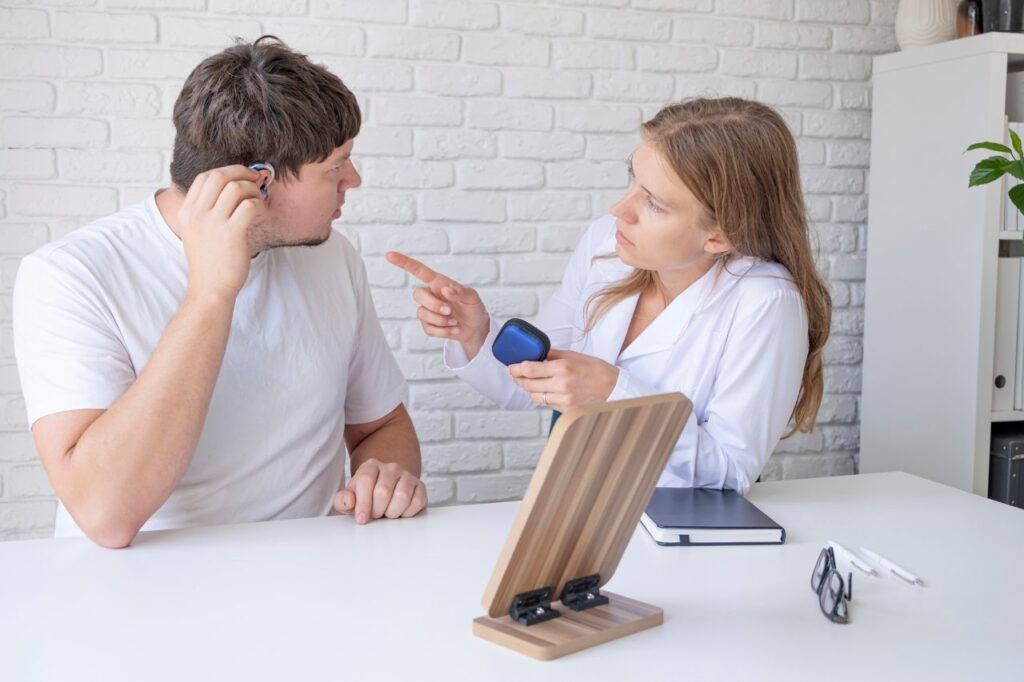
If you suspect you have hearing loss, consulting with a hearing professional is the best course of action. They can perform a comprehensive hearing evaluation, discuss your results, and recommend the most appropriate treatment options for your needs.
Customisation and Fitting
Hearing aids are not one-size-fits-all devices. A hearing professional will work with you to select the best style and features for your specific hearing loss, lifestyle, and budget. They will also ensure that your hearing aids are properly fitted and programmed for optimal performance.
Final Thoughts
Knowing when to start using a hearing aid is an important decision that can significantly impact your quality of life. By understanding the different levels of hearing loss and the benefits of hearing aids, you can take proactive steps to protect your hearing health.
If you’re experiencing hearing difficulties, don’t hesitate to schedule a consultation with an expert hearing clinic in London. At VIP Hearing Solutions, our team of experienced audiologists is dedicated to providing personalised, compassionate care to help you hear your best. Contact us today to take the first step towards better hearing.