
On This Page
Have you ever wondered why some people with hearing loss can manage with simple amplification, while others require more advanced interventions? The answer lies in understanding the degrees of hearing loss. This comprehensive guide will walk you through the various levels of hearing impairment, their implications, and available management options.
Understanding Hearing Loss
Hearing loss is not a one-size-fits-all condition. It exists on a spectrum, ranging from mild difficulties in noisy environments to a complete inability to hear even the loudest sounds. Understanding these degrees is crucial for proper diagnosis and treatment.
Categories of Hearing Loss

Hearing loss is typically categorised into four main degrees:
Mild Hearing Loss
- Hearing threshold: 26-40 decibels (dB)
- Characteristics: Difficulty hearing soft sounds and understanding speech in noisy environments
People with mild hearing loss might miss subtle sounds like whispers or distant conversations. They often find themselves asking others to repeat themselves, especially in crowded places.
Moderate Hearing Loss
- Hearing threshold: 41-70 dB
- Characteristics: Trouble following conversations without hearing aids
At this stage, understanding speech becomes challenging without amplification. Background noise can be particularly problematic, and TV volumes often need to be turned up.
Severe Hearing Loss
- Hearing threshold: 71-90 dB
- Characteristics: Unable to hear speech at normal levels; can only hear very loud sounds
Individuals with severe hearing loss rely heavily on visual cues and may use sign language or lip-reading to communicate. Without powerful hearing aids or cochlear implants, understanding speech is extremely difficult.
Profound Hearing Loss
- Hearing threshold: 91 dB or greater
- Characteristics: Cannot hear most sounds; relies on visual communication methods
People with profound hearing loss are often considered deaf. They typically use sign language as their primary mode of communication and may benefit from cochlear implants.
Measuring Degrees of Hearing Loss

Accurate measurement of hearing loss is crucial for proper diagnosis and treatment.
Audiometric Testing
Pure Tone Audiometry
This test determines the quietest sounds a person can hear at different frequencies. It’s the gold standard for measuring hearing thresholds.
Speech Audiometry
This assesses a person’s ability to hear and understand speech, providing valuable information about real-world hearing capabilities.
Hearing Threshold Levels
Decibels (dB) and Hearing Loss
Hearing loss is measured in decibels. The higher the number, the more severe the hearing loss. Normal hearing thresholds are considered to be 25 dB or better.
Interpretation of Results
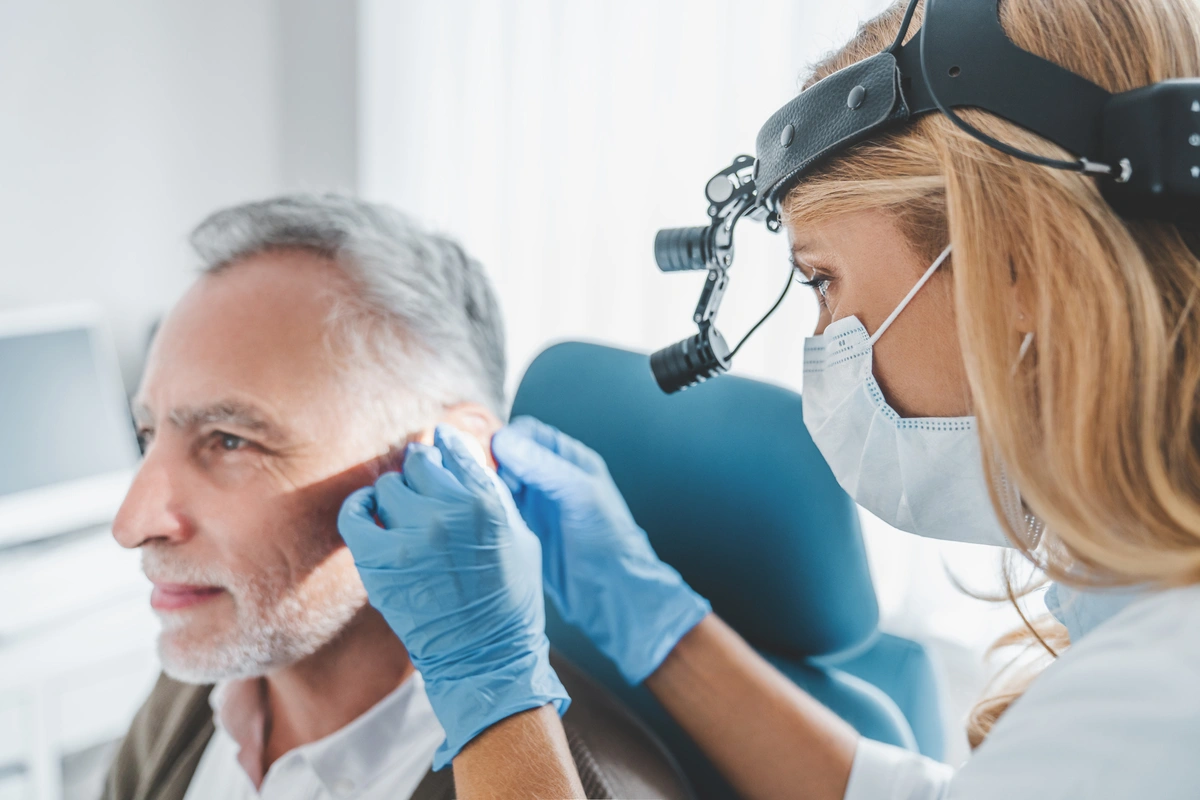
An audiologist interprets these results to determine the degree of hearing loss and recommend appropriate interventions.
Implications of Different Degrees of Hearing Loss
Communication Challenges
Each degree of hearing loss presents unique challenges:
- Mild: Difficulty in noisy environments
- Moderate: Trouble following group conversations
- Severe: Reliance on visual cues and amplification
- Profound: Primary use of visual communication methods
Adapting Communication Strategies
As hearing loss progresses, individuals often develop adaptive strategies like positioning themselves to see speakers’ faces or using assistive listening devices.
Treatment and Management Options
Hearing Aids and Devices
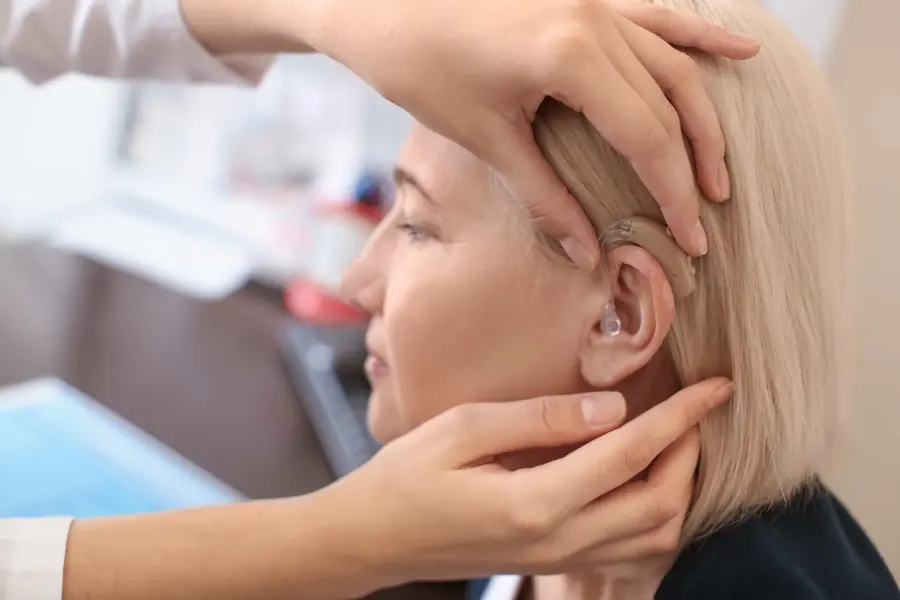
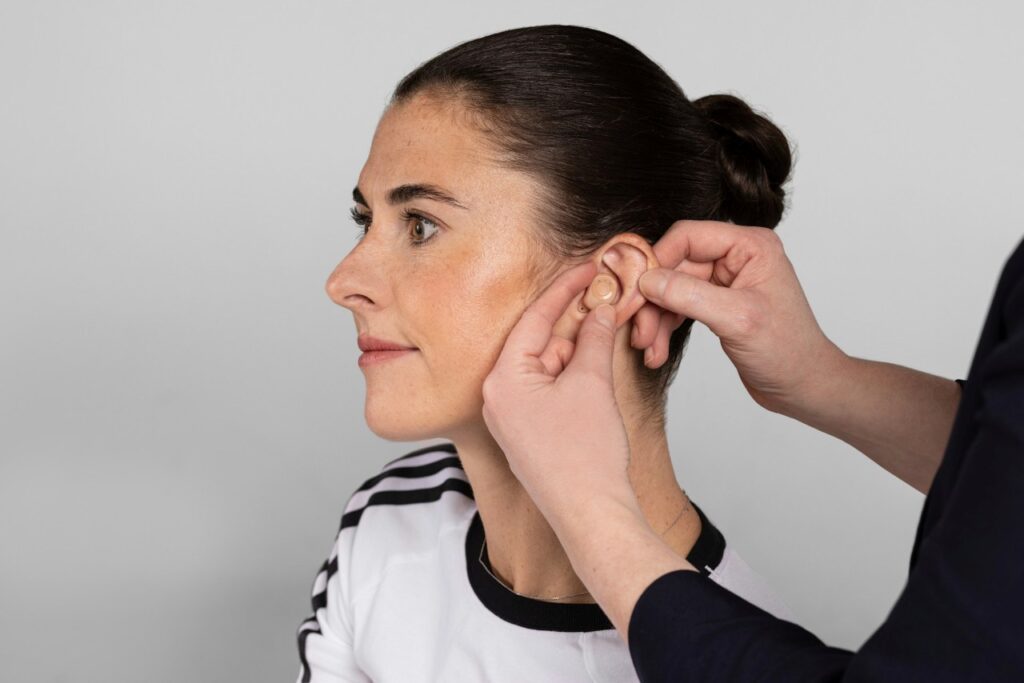
Modern hearing aids can be programmed to address specific degrees of hearing loss. From discreet in-the-canal devices for mild loss to powerful behind-the-ear aids for severe cases, there’s a solution for every level.
At VIP Hearing Solutions, we offer comprehensive hearing tests in London to determine your degree of hearing loss and recommend the most suitable hearing aids.
Other Interventions
For profound hearing loss, cochlear implants might be recommended. These devices bypass damaged parts of the ear to directly stimulate the auditory nerve.
It’s worth noting that hearing loss can be categorised not only by degree but also by type. To learn more about the different types, check out our guide on conductive and sensorineural hearing loss explained.
Final Thoughts
Understanding the degrees of hearing loss is crucial for both individuals experiencing hearing difficulties and their loved ones. It helps in recognizing symptoms early, seeking appropriate help, and choosing the right interventions.
Remember, hearing loss is a progressive condition. What starts as mild difficulty hearing in noisy environments can gradually worsen if left untreated. Regular hearing check-ups are essential for maintaining your auditory health and quality of life.
At VIP Hearing Solutions, we’re committed to guiding you through every stage of your hearing health journey. From comprehensive assessments to fitting you with state-of-the-art hearing aids, our team of expert audiologists is here to help you navigate the world of sound with confidence.
Don’t let hearing loss hold you back. Whether you’re experiencing mild difficulties or more significant challenges, there are solutions available. Contact VIP Hearing Solutions today to schedule your hearing assessment and take the first step towards better hearing and improved quality of life.