
On This Page
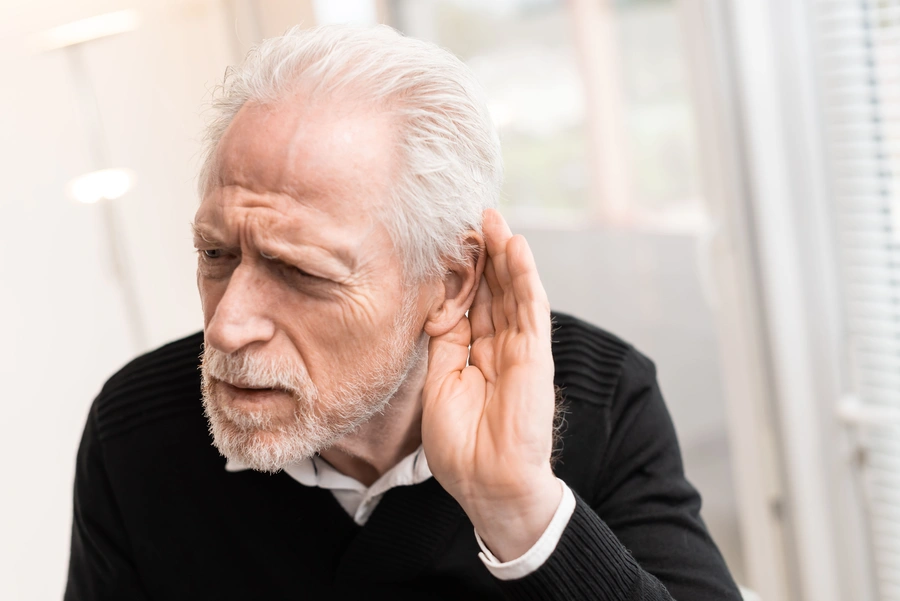
The world around us is alive with sound – from the gentle rustle of leaves to the laughter of loved ones. But for millions of people worldwide, these sounds are muffled or even non-existent due to hearing loss. This raises an important question: Is hearing loss considered a disability? The answer isn’t as straightforward as you might think, and it can vary depending on several factors. Let’s dive into this complex topic and explore its various aspects.
What Is a Disability?
A disability, under the UK Equality Act 2010, is a physical or mental impairment that has a substantial and long-term adverse effect on your ability to carry out normal day-to-day activities. 'Substantial' means more than minor or trivial; 'long-term' means it has lasted, or is likely to last, at least 12 months.
Before we can determine whether hearing loss qualifies as a disability, we need to understand what constitutes a disability in the first place.
Legal Criteria for Disability
In the UK, the Equality Act 2010 defines a disability as a physical or mental impairment that has a substantial and long-term adverse effect on a person’s ability to carry out normal day-to-day activities. ‘Long-term’ means the impairment has lasted or is likely to last for at least 12 months.
Hearing Loss and Disability Classification

Hearing loss exists on a spectrum, and not all levels of hearing loss are automatically classified as a disability. Let’s look at how hearing loss is measured and categorised.
How Hearing Loss Is Measured
Audiologists measure hearing loss in decibels (dB) across different frequencies. This measurement is used to determine the degree of hearing loss.
Levels of Hearing Loss
Hearing loss is typically categorised into the following levels:
- Mild (26-40 dB)
- Moderate (41-55 dB)
- Moderately severe (56-70 dB)
- Severe (71-90 dB)
- Profound (91+ dB)
For more information on the symptoms associated with severe hearing loss, you can refer to our guide on severe hearing loss symptoms.
Legal Perspectives on Hearing Loss as a Disability
In the UK, severe to profound hearing loss is generally considered a disability under the Equality Act 2010. However, the classification can sometimes depend on how the hearing loss affects an individual’s daily life.
Impact of Wearing Hearing Aids
It's worth knowing that, under the Equality Act 2010, hearing loss is judged on how it would affect you without your hearing aids. Unlike glasses for eyesight, the help hearing aids provide is set aside when deciding whether you meet the definition of disability, so using hearing aids does not remove your protection under the law. This does not diminish the challenges someone may face or the support they might need.
Challenges Faced by Individuals with Hearing Loss

Regardless of its legal classification, hearing loss can present significant challenges in various aspects of life.
Social Interactions
People with hearing loss often struggle in social situations, especially in noisy environments. This can lead to feelings of isolation and frustration.
Employment and Education
Hearing loss can impact job performance and educational opportunities, particularly in roles or settings that rely heavily on verbal communication.
Mental Health Impact
The challenges associated with hearing loss can sometimes lead to anxiety, depression, and other mental health issues.
Support and Resources for Individuals with Hearing Loss
Fortunately, there are numerous resources available to support individuals with hearing loss, regardless of whether it’s legally classified as a disability.
Hearing Aids and Assistive Devices

Modern hearing aids and assistive listening devices can significantly improve quality of life for many people with hearing loss. At VIP Hearing Solutions, the top hearing clinic in London, we offer a wide range of advanced hearing solutions tailored to individual needs.
Advocacy Groups
Organisations like RNID (formerly Action on Hearing Loss) provide valuable support, information, and advocacy for people with hearing loss in the UK.
Final Thoughts
While the question “Is hearing loss a disability?” doesn’t have a one-size-fits-all answer, it’s clear that hearing loss can significantly impact an individual’s life. Whether or not it meets the legal definition of a disability, it’s crucial for those affected to seek appropriate support and treatment.
If you’re concerned about your hearing or that of a loved one, don’t hesitate to reach out to us at VIP Hearing Solutions. Our team of expert audiologists is here to provide comprehensive hearing assessments and personalised solutions to help you navigate the world of sound with confidence.
Remember, seeking help for hearing loss isn’t just about improving your hearing – it’s about enhancing your overall quality of life. Take the first step towards better hearing today.