That maddening pressure. The annoying muffled hearing. The weird popping that comes and goes. Blocked ears are a right pain, aren’t they? Most of us have battled with them at some point – after flights, swimming lessons, or when that nasty cold just won’t shift. The good news? You’ve got options. Our hearing specialists have pulled together some properly effective methods that actually work.
Common Causes of Blocked Ears
So what’s actually going on in there? Before we fix the problem, let’s figure out why your ears are giving you grief in the first place.
Eustachian Tube Dysfunction
These little tubes connect your middle ear to the back of your throat. Their job? Keeping ear pressure regulated. When they get inflamed or bunged up with mucus – which happens loads during colds or hay fever season – the air can’t flow properly. The result? That horrible underwater feeling that makes everything sound like you’re listening through a pillow.
Earwax Buildup

Bit gross, but we’ve all got it. Earwax is actually protective, but too much of it and you’re in trouble. Sometimes your ear feels blocked but you can’t spot any obvious wax. If that sounds familiar, you might want to read about why your ear feels clogged when there’s no visible wax causing issues.
Changes in Air Pressure
Ever noticed your ears go funny on planes? Or when you’re driving up a steep hill? That’s all about pressure. When the pressure inside doesn’t match what’s outside, your eardrum stretches in weird ways. Not pleasant.
Sinus Infections or Colds
Fighting off the sniffles often means your ears cop it too. All that extra mucus loves to block up your Eustachian tubes, trapping fluid and air where it shouldn’t be.
Expert Tips to Unblock Ears Safely
Try the Valsalva Maneuver (Ear-Popping Method)
Sounds fancy, works a treat for pressure blockages:
- Breathe in deep
- Shut your mouth tight
- Pinch your nose closed with your fingers
- Try to gently blow air out through your nose (while it’s still pinched)
You’ll know it’s working when you feel that sweet relief of a pop. Just don’t blow like you’re trying to launch yourself into space – gentle does it, or you might damage your eardrum.
Use Steam or a Warm Compress
Heat and moisture are your friends here. Jump in a hot shower and let the steam work its magic. Or grab a flannel, soak it in warm water, wring it out and hold it against your ear for a bit. Another old-school remedy? Boil the kettle, pour the water in a bowl, chuck a towel over your head and breathe in the steam. Looks ridiculous, works brilliantly.
Stay Hydrated & Chew Gum

Planes are ear-blockers for lots of us. Swig water throughout your flight – it keeps those mucous membranes from drying out. Chewing gum or just swallowing regularly (especially during take-off and landing) helps open those Eustachian tubes naturally. Dead simple, but surprisingly effective.
Over-the-Counter Remedies
When you’re stuffed up from a cold, decongestants can be lifesavers. They come as sprays, pills, or liquids, and they shrink the swelling in your nose and Eustachian tubes. Some people swear by special ear drops for wax problems, too. Just follow the instructions on the packet – more isn’t always better.
Safe Earwax Removal Methods
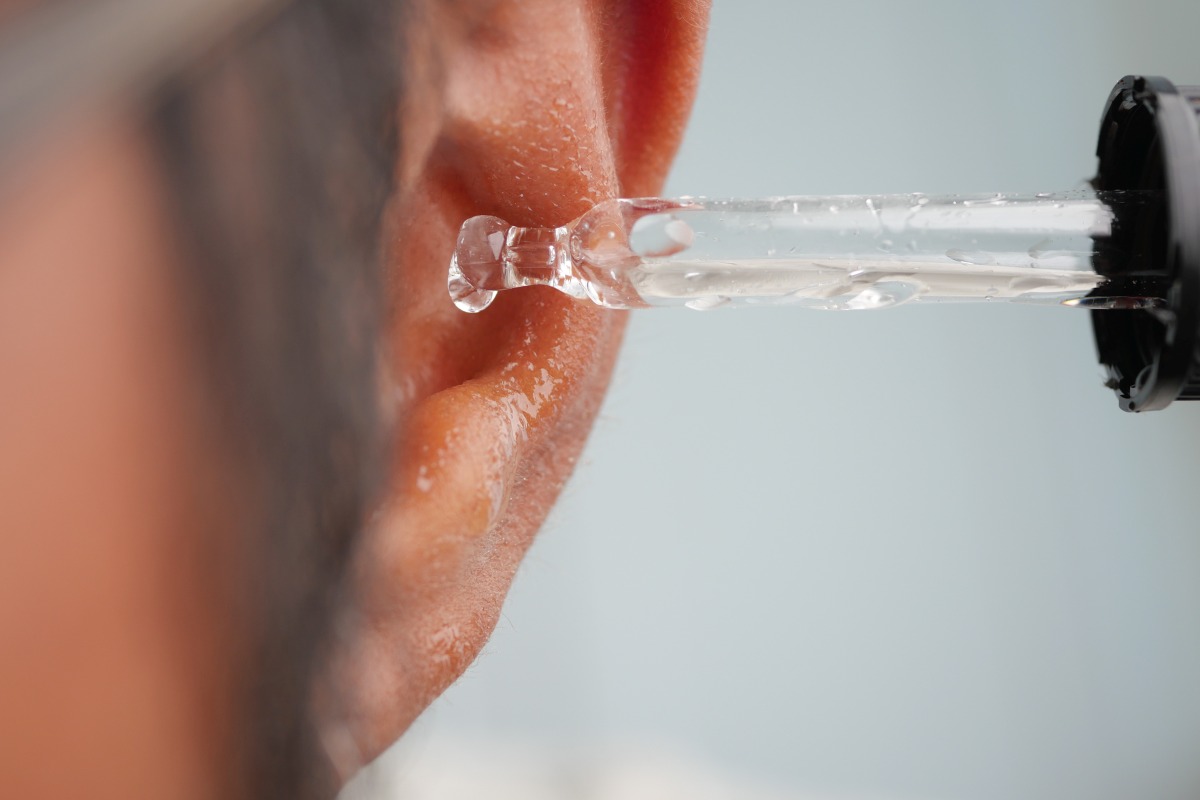
Got too much wax? Warm olive oil might sort you out. Just pop 2-3 drops of room-temp olive oil in your ear twice a day for a few days. After that, if the ear has not cleared, it is safest to have any remaining wax removed professionally — for example by microsuction — rather than flushing the ear yourself. Never put water or drops in your ear if you have a perforated eardrum, an ear infection or grommets.
Here’s what’s dead important though – bin those cotton buds! And definitely don’t stick hairpins, keys, or whatever else you’ve been tempted to jam in there. You’ll only push the wax in deeper or, worse, puncture your eardrum.
Try the Toynbee Maneuver
Can’t get on with the Valsalva method? Give this a go instead:
- Pinch your nose shut
- Take a sip of water
- Swallow while keeping your nose pinched
The swallowing action naturally opens your Eustachian tubes, and with your nose closed, the pressure changes just enough to help clear the blockage.
Professional Treatments for Stubborn Cases

When nothing’s shifting it after a few days, it might be time to call in the pros. Audiologists like us can offer specialised services for better hearing, including microsuction – a gentle hoovering of wax using special equipment that’s far safer than your bathroom DIY attempts.
For the really tricky cases, your GP might prescribe stronger meds or send you to an ENT specialist who could even pop in ear tubes if you’ve got ongoing problems.
Final Thoughts
Most blocked ears sort themselves out within days if you treat them right. But if you’re in agony, notice any gunk coming out, can’t hear a thing, feel dizzy, or if it’s been dragging on for over a week – get yourself to a doctor, sharpish.
Be extra careful with kids’ ears – they’re smaller and more easily damaged than ours. The methods above need tweaking for little ones, and when in doubt, the paediatrician’s your best bet.
Prevention-wise, keep yourself watered, tackle colds and allergies early, wear earplugs for swimming, and leave your ears to their own devices when possible – they’re actually designed to clean themselves, and sometimes our “helping” makes things worse.
Get the hang of these techniques, and you’ll be back to hearing properly in no time. Your ears will thank you for it.