

On This Page
Stress has a way of infiltrating nearly every corner of health. People expect it to raise blood pressure, disturb sleep, and perhaps leave behind lingering headaches. What tends to be overlooked is its influence on the ear. The question often posed – can stress cause hearing loss? – isn’t straightforward, but research and clinical observation suggest a meaningful connection. Hearing is not an isolated process; it depends on a delicate system of nerves, blood flow, and brain interpretation. Stress disrupts each of these pathways, sometimes subtly, sometimes significantly.
What Happens To The Body Under Stress?
The body launches its stress response: cortisol and adrenaline rise, the heart beats faster, and blood vessels tighten. That is helpful briefly, but when stress is prolonged it keeps circulation and hormones disrupted. Because the inner ear relies on steady, oxygen-rich blood flow to its delicate hair cells, this matters for hearing.
When the body perceives threat or pressure, the stress response activates. Cortisol and adrenaline levels rise, heart rate accelerates, and blood vessels tighten. That’s useful in the short term – an evolutionary survival tool – but modern stress rarely arrives in quick bursts. Instead, it lingers. Prolonged stress keeps the body locked in a heightened state, and not only is this exhausting, but it alters circulation and hormone balance in ways that affect ear function.
The inner ear relies on consistent oxygen-rich blood flow. Any disruption can compromise its fragile hair cells, which are responsible for converting sound vibrations into electrical signals. Unlike other cells in the body, once these are damaged, they do not regenerate. So, the stakes are unusually high.
Can Stress Cause Hearing Loss Directly?
Rarely in a direct, mechanical way. Stress does not puncture the eardrum or block the ear canal. Instead it works indirectly: chronic stress is linked with raised blood pressure and constricted vessels that can reduce blood flow to the cochlea, and it can heighten tinnitus and sensitivity to everyday sounds, changing how you hear.

This is where the nuance lies. Stress by itself doesn’t puncture the eardrum or physically block the canal. Instead, it exerts pressure indirectly. Not only is chronic stress linked with hypertension, but constricted blood vessels mean reduced supply to the cochlea – the spiral-shaped organ essential for hearing. Over time, this can impair function, sometimes permanently.
It’s also important to consider auditory perception. Anxiety can heighten awareness of minor sounds, making ordinary ringing or buzzing feel intolerable. What might be dismissed in a calm state becomes unmanageable under stress. The result is that stress doesn’t just risk damaging the ear structurally, it can warp how sound is processed.
The Connection Between Stress And Tinnitus
Tinnitus – the persistent perception of ringing, buzzing, or hissing without external sound – often flares during stressful periods. While its origins vary, ranging from noise exposure to earwax build-up, stress appears to amplify both its onset and severity. Many report that spikes in tinnitus coincide with work deadlines, personal crises, or chronic worry.
There’s an interesting overlap with lifestyle here too. For instance, diet plays a role in how tinnitus manifests. The link between diet and tinnitus has been observed in multiple studies, with certain foods or deficiencies making symptoms worse. Stress influences diet choices – people skip meals, consume more caffeine, or lean on alcohol – which compounds the issue. So, while stress itself is not always the direct cause, it can act as the trigger that unravels an already fragile system.
How Stress Interferes With Auditory Processing
Hearing involves more than the ear; it’s a brain function as well. The auditory cortex interprets signals, sorts background noise, and identifies meaningful speech. Stress interferes here too. Elevated cortisol levels disrupt neurotransmitters and affect how the brain filters information. That explains why some people under stress report that voices sound muffled or conversations blur together in noisy environments.
Another overlooked effect is hyperacusis, an unusual sensitivity to sound. Stress can lower tolerance, making everyday noises – traffic, clinking cutlery, or even conversation – seem overwhelming. Again, the ear isn’t broken in the mechanical sense, but the way the nervous system handles input has shifted.
Why Stress-Induced Hearing Issues Are Often Missed

The difficulty with linking stress and hearing is that symptoms don’t always appear instantly. Someone may notice a gradual decline in clarity, or an intermittent buzzing, without recognising the role stress plays. Medical evaluations might rule out infection, wax, or structural damage, leaving no obvious cause. And because stress is so common, it isn’t always taken seriously as a medical factor.
But the pattern is clear: not only does stress exacerbate existing auditory conditions, but it can also create the environment in which new problems emerge. The absence of immediate pain or visible injury makes it easy to dismiss, yet the long-term risk is real.
Managing Stress To Protect Hearing
If stress contributes to hearing problems, then controlling stress is part of protecting the ear. That doesn’t mean eliminating pressure altogether – life doesn’t work that way – but building resilience matters.
- Prioritise consistent sleep, as fatigue magnifies stress reactivity and auditory sensitivity.
- Exercise regularly, because physical activity improves circulation and reduces cortisol.
- Practice techniques such as mindfulness, controlled breathing, or yoga to lower baseline tension.
- Pay attention to diet and hydration, since poor nutrition intensifies both stress and tinnitus risk.
Each of these strategies serves two purposes: they improve overall health, and they act as a protective buffer for the ears. Stress reduction isn’t simply a lifestyle perk; it’s part of supporting long-term hearing wellness.
Seeking Professional Guidance
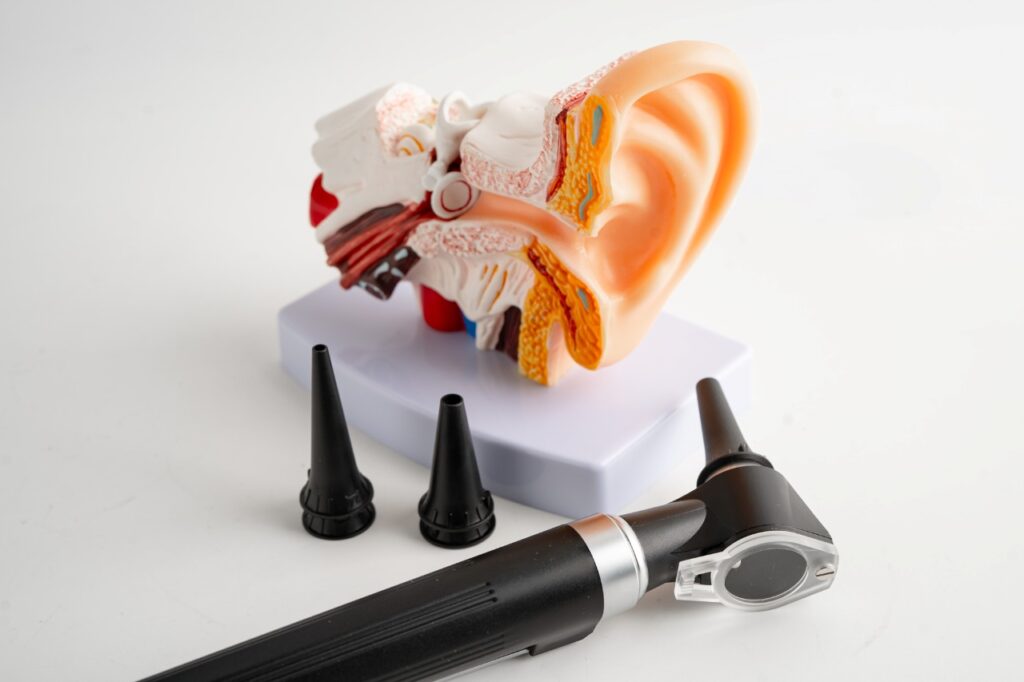
Self-management has limits. If hearing loss or tinnitus persists, it’s crucial to consult a hearing specialist. They can determine whether stress is aggravating an underlying issue or if another condition is at play. Early intervention often prevents small disruptions from becoming permanent.
Treatment may involve counselling, sound therapy, or hearing aids, but in many cases, it also includes stress management plans. Professionals increasingly acknowledge that hearing cannot be separated from broader health, and addressing stress is a central part of care.
Closing Thoughts
The link between stress and hearing is not speculative – it is evident in circulation patterns, hormonal effects, and neurological responses. Can stress cause hearing loss? In certain cases, yes, through its impact on blood flow, perception, and overall ear health. Even when it doesn’t directly destroy hearing cells, it amplifies conditions like tinnitus and hyperacusis, turning minor problems into daily challenges.
Recognising this connection is the first step. By treating stress not only as a mental burden but as a physical threat to hearing, people can approach their health more holistically. Protecting the ear requires more than volume control and earplugs – it also depends on managing the pressures that quietly erode the system over time.