
On This Page
Have you ever noticed that certain sounds seem muffled or difficult to hear, especially in noisy environments? You might be experiencing high frequency hearing loss, a common type of hearing impairment that affects millions of people worldwide. In this comprehensive guide, we’ll explore what high frequency hearing loss is, its causes, symptoms, and available treatment options.
What Is High Frequency Hearing Loss?
It's a reduced ability to hear the higher pitches, typically the sounds above about 2,000 Hz. Because high-frequency sounds carry the consonants that make speech clear, people often hear that someone is talking yet can't quite make out the words, particularly against background noise or higher voices.
High frequency hearing loss is a condition where an individual has difficulty perceiving sounds in the higher frequency range, typically above 2,000 Hz. This type of hearing loss can make it challenging to hear certain consonant sounds, women’s and children’s voices, and high-pitched noises like birds chirping or doorbells ringing.
Common Causes of High Frequency Hearing Loss

Understanding the causes of high frequency hearing loss is crucial for prevention and early intervention. Let’s explore some of the most common factors:
Age-Related Hearing Loss (Presbycusis)
As we age, the delicate hair cells in our inner ear naturally deteriorate, often leading to high frequency hearing loss. This gradual process, known as presbycusis, typically begins around age 50 and progresses over time.
Noise-Induced Hearing Loss
Exposure to loud noises, either suddenly or over an extended period, can damage the hair cells responsible for detecting high-frequency sounds. Common culprits include loud music, industrial machinery, and firearms.
Medical Conditions and Medications
Certain medical conditions, such as diabetes, hypertension, and thyroid disorders, can contribute to high frequency hearing loss. Additionally, some medications, known as ototoxic drugs, can damage the inner ear and lead to hearing impairment.
Recognising the Symptoms
Identifying the signs of high frequency hearing loss early can lead to more effective management. Here are some common symptoms to watch out for:
Difficulty Hearing Certain Sounds
People with high frequency hearing loss often struggle to hear sounds like:
- Birds chirping
- Doorbells or telephones ringing
- High-pitched musical instruments (e.g., flutes or violins)
- The ‘s’, ‘f’, and ‘th’ sounds in speech
Trouble Understanding Speech
One of the most noticeable symptoms is difficulty understanding speech, especially in noisy environments. You might find yourself asking people to repeat themselves or feeling like others are mumbling.
How High Frequency Hearing Loss Is Diagnosed
If you suspect you have high frequency hearing loss, it’s essential to seek professional help for an accurate diagnosis.
Hearing Tests
An audiologist will conduct a series of tests to assess your hearing ability across different frequencies. The primary test used is pure tone audiometry, which measures your hearing threshold at various pitches.
When to See a Specialist
If you experience any of the following, it’s time to consult with a hearing specialist:
- Difficulty following conversations, especially in noisy environments
- Frequently asking people to repeat themselves
- Turning up the volume on the TV or radio higher than usual
- Ringing in the ears (tinnitus)
Treatment and Management Options
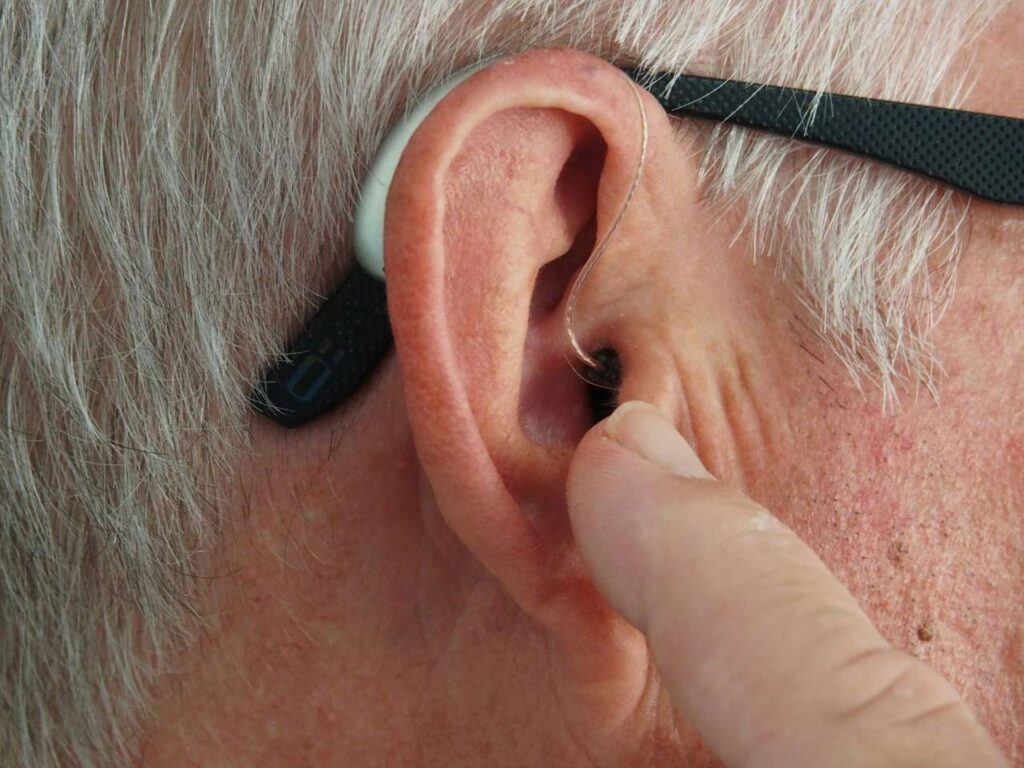
While high frequency hearing loss is often permanent, there are several effective ways to manage the condition and improve your quality of life.
Hearing Aids
Modern hearing aids are designed to amplify specific frequencies, making them an excellent solution for high frequency hearing loss. At VIP Hearing Solutions, the best hearing clinic in London, we offer a wide range of cutting-edge hearing aids tailored to your specific needs.
Assistive Listening Devices
In addition to hearing aids, various assistive devices can help you better perceive high-frequency sounds in specific situations. These may include amplified telephones, doorbell signalers, and TV listening systems.
Lifestyle Adjustments
Making some changes to your daily routine can significantly improve your ability to communicate:
- Position yourself to see the speaker’s face when conversing
- Reduce background noise when possible
- Inform others about your hearing loss and how they can help (e.g., speaking clearly and facing you)
Final Thoughts
High frequency hearing loss can be challenging, but with proper diagnosis and management, you can continue to enjoy a rich auditory experience. If you’re concerned about your hearing, don’t hesitate to reach out to our team of expert audiologists at VIP Hearing Solutions. We’re here to provide you with personalised care and the latest in hearing technology.
To learn more about different types of hearing loss and how they might affect you, check out our comprehensive guide to different types of hearing loss. Remember, early intervention is key to maintaining your hearing health and overall quality of life.