
On This Page
Hearing aids are small devices with a big impact. They bridge the gap between you and the world around you, bringing back sounds you may have missed for a while. But if you’ve ever wondered how these tiny gadgets work their magic, you’re not alone. From the microphones to amplifiers, the speakers to the lifespan of hearing aids, this article will break down the different parts of hearing aids and show you how they work together to bring sound to life. Let’s dive in!
The Basic Components of a Hearing Aid
At its core, a hearing aid combines engineering and digital technology to capture, process, and deliver sound. These basic components work in unison to transform ambient noise into a clear, amplified signal tailored to the user’s needs. This seamless integration lays the foundation for improved auditory experiences, and each element plays a vital role in ensuring sound is delivered naturally.
Key Parts of a Hearing Aid and Their Functions
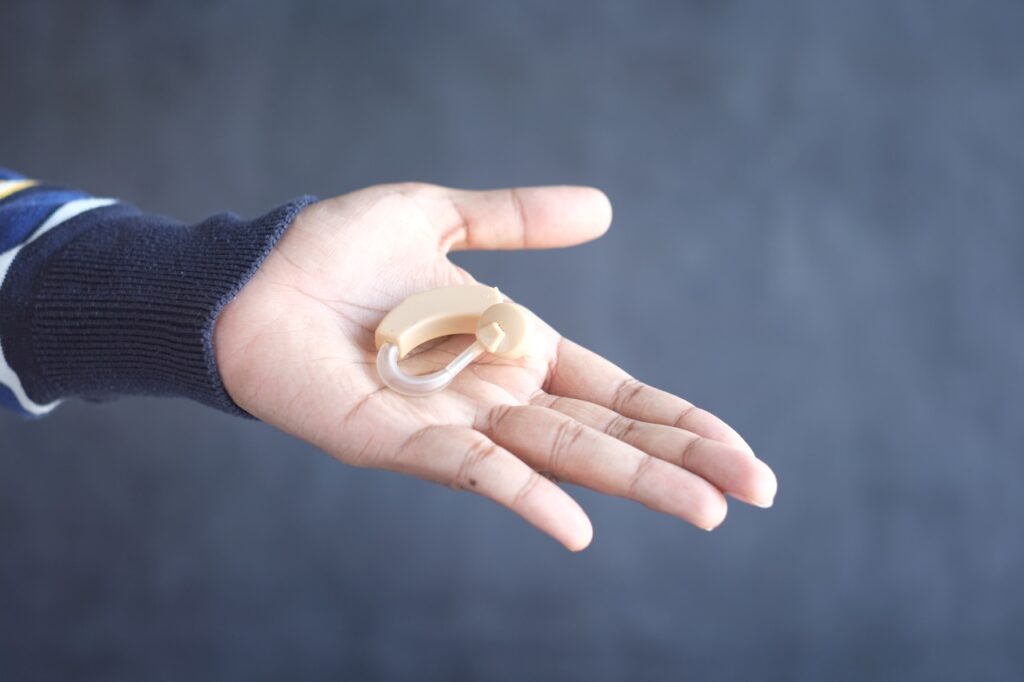
Microphone
The microphone captures surrounding sound and converts it into electrical signals. It distinguishes speech from background noise, ensuring clarity. This critical component lays the groundwork for subsequent processing, making it absolutely essential.
Amplifier
The amplifier boosts the electrical signals received from the microphone, increasing their strength to a level suitable for clear hearing. It carefully enhances softer sounds while preventing distortion of louder inputs, ensuring a balanced and natural listening experience with precision.
Receiver (Speaker)
The receiver converts the amplified signals back into sound waves, delivering them directly to the ear. Its design focuses on clarity and natural tone, adapting to various acoustic environments to provide a seamless and comfortable listening experience with exceptional consistency.
Battery or Power Source
A dependable power source is essential for any hearing aid. Whether using disposable or rechargeable batteries, this component supplies the energy needed for all operations. Good battery management ensures long-lasting performance and uninterrupted service, making it a cornerstone for effective daily use and user satisfaction, ensuring unwavering reliability every day.
Additional Features and Optional Parts

Volume Control
Volume control enables users to adjust amplification levels easily. This feature provides a customised experience, allowing quick adaptations to different listening environments for optimal sound clarity and personal comfort seamlessly.
Program Button
The program button allows users to switch between preset modes effortlessly. Whether in quiet or noisy settings, it offers immediate access to tailored sound profiles, enhancing overall hearing satisfaction instantly.
Ear Mold or Dome
Custom ear moulds or domes ensure a secure, comfortable fit and effective sound delivery. They are crafted to match ear shapes, reducing feedback and optimising acoustic performance throughout daily use.
Feedback Management System
This system detects and mitigates unwanted noise, such as whistling. It continuously adjusts output levels to eliminate feedback, ensuring a clear, distortion-free sound experience in diverse environments with superior precision.
Wireless Connectivity Components
Modern hearing aids often include wireless connectivity options. These components allow seamless pairing with smartphones, televisions, and other devices, offering users control and streaming of audio for an integrated experience.
Types of Hearing Aids and Component Variations
Behind-the-Ear (BTE) Hearing Aids
BTE hearing aids rest behind the ear and connect to an ear mould inside the canal. They offer ample space for components, delivering robust performance and versatility for a range of hearing losses.
Receiver-in-Canal (RIC) or Receiver-in-the-Ear (RITE) Hearing Aids
RIC/RITE models position the receiver within the ear canal, with remaining elements behind the ear. This design provides discreet appearance and excellent sound quality for users seeking a modern, subtle solution, remarkably effective.
In-the-Ear (ITE) Hearing Aids
ITE devices fit entirely within the outer ear, custom-made for a snug, comfortable feel. They integrate most electronics, offering a balance of aesthetics and powerful sound for various hearing needs with exceptional clarity.
In-the-Canal (ITC) Hearing Aids
ITC hearing aids are partially placed within the ear canal, offering a discreet profile without sacrificing functionality. Their compact design provides reliable performance and comfortable wear for everyday use, ensuring optimal daily satisfaction.
Completely-in-the-Canal (CIC) Hearing Aids
CIC hearing aids are designed to fit entirely within the ear canal, making them nearly invisible. Their minimalist design suits mild to moderate hearing loss while providing discreet, effective sound amplification with precision.
Invisible-in-the-Canal (IIC) Hearing Aids
IIC devices are the most discreet option, fitting entirely within the ear canal for a virtually invisible profile. They offer advanced features in a compact form, ideal for those seeking subtle hearing solutions.
Maintaining Hearing Aid Parts for Optimal Performance

Cleaning the Microphone and Receiver
Regular cleaning of the microphone and receiver is essential to maintain performance. Gently remove dust and wax using specialised tools, preventing blockages that could diminish sound quality. Consistent upkeep prolongs the functionality of these sensitive components for consistent optimal longevity.
Battery Care
Proper battery care is vital for uninterrupted hearing aid performance. Remove batteries when not in use and store spares in a cool, dry place. Regular monitoring and timely replacement prevent power loss, ensuring the device is always ready to perform.
Replacing or Repairing Components
Over time, components may wear out and require professional repair or replacement. Timely servicing by qualified technicians helps maintain optimal performance. Regular check-ups ensure that any issues are resolved before they affect sound quality, to ensure consistently superior audio output.
Final Thoughts
There’s no two ways about it – hearing aids are complex, technical, and delicate – and there’s no denying they provide significant benefits to those with hearing loss. So whether you’re new to hearing aids or looking to upgrade, this knowledge can guide you in making informed decisions. And if you’re looking for comprehensive hearing care for all ages, don’t hesitate to reach out to us at VIP Hearing Solutions, your go-to audiology partner in London.