
On This Page
Investing in hearing aids is a big decision. You’re not just buying a device; you’re investing in better hearing, improved communication, and a more fulfilling life. But like any electronic device, hearing aids have a lifespan.
So, how long can you expect your hearing aids to last? And what can you do to keep them in tip-top condition for as long as possible? Let’s explore the factors that influence the lifespan of hearing aids and discover some helpful tips to ensure you get the most out of your investment.
Typical Lifespan of Hearing Aids
While the lifespan of hearing aids can vary, there are some general expectations you can keep in mind.
General Lifespan Expectations
On average, most modern hearing aids last between three to seven years. Of course, this is just an average, and some hearing aids may last longer or shorter depending on various factors.
Differences by Type
The type of hearing aid can also influence its lifespan.
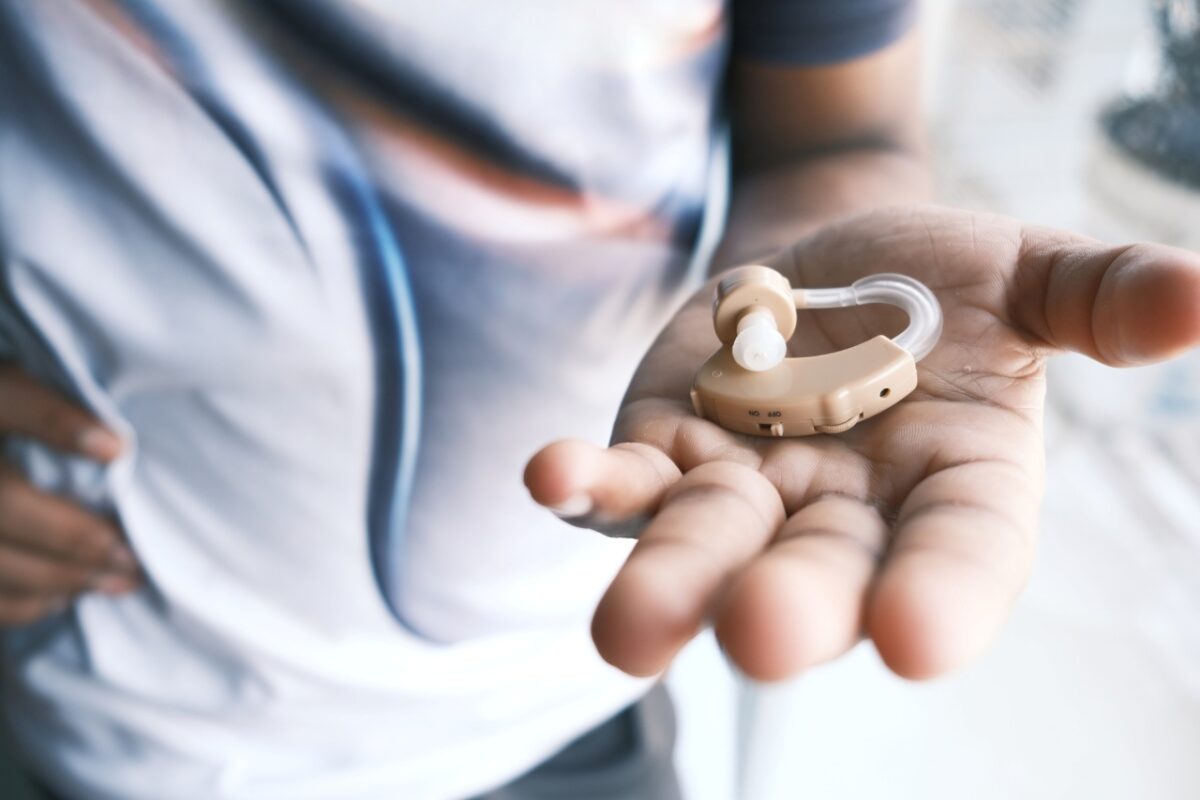
- Behind-the-ear (BTE) hearing aids tend to have a longer lifespan due to their larger size and more robust construction.
- In-the-ear (ITE) hearing aids, while more discreet, may have a slightly shorter lifespan due to their smaller components and closer proximity to earwax and moisture.
Factors Affecting Hearing Aid Lifespan
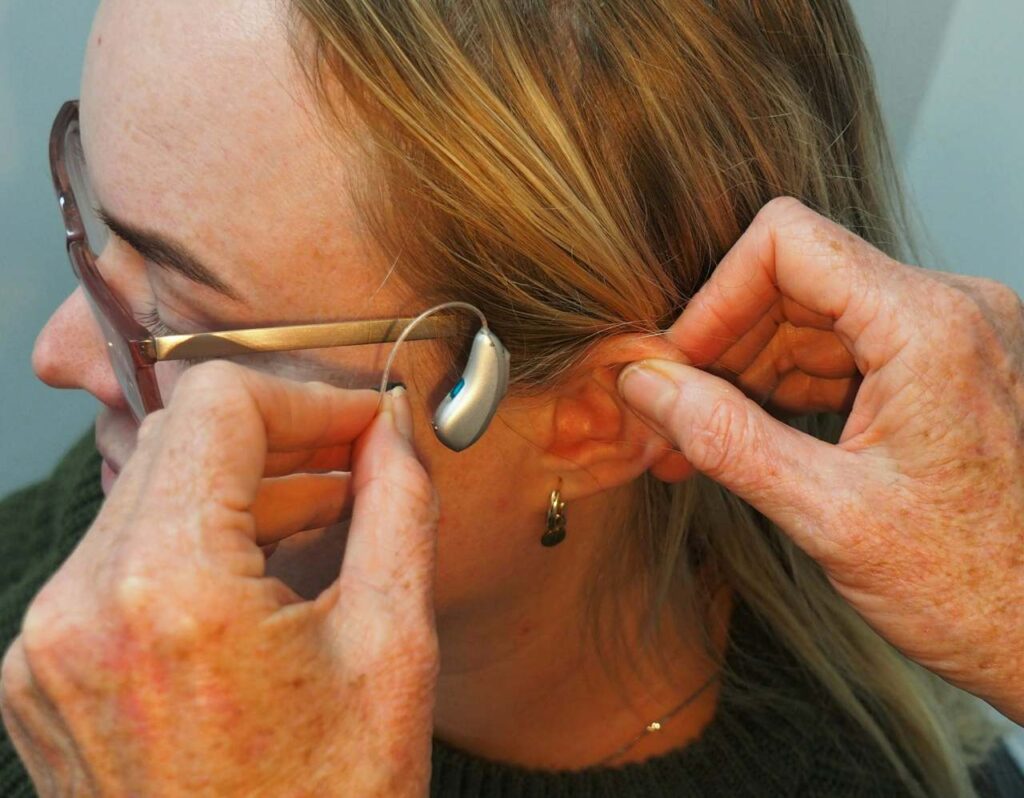
Several factors can influence how long your hearing aids last.
Usage Patterns
How often and how intensely you use your hearing aids can affect their lifespan. If you wear your hearing aids all day, every day, in various environments, they might wear out faster than if you only use them occasionally.
Maintenance and Care
Proper maintenance and care are essential for prolonging the life of your hearing aids. Regular cleaning, proper storage, and avoiding exposure to moisture and extreme temperatures can all contribute to their longevity.
Environmental Factors
Environmental factors, such as humidity, dust, and extreme temperatures, can also impact the lifespan of your hearing aids. Exposure to moisture can damage the delicate electronic components, while extreme heat or cold can affect battery life and overall performance.
Quality and Technology
The quality of the components and the technology used in your hearing aids can also play a role in their lifespan. Higher-quality hearing aids with advanced technology might be more durable and have a longer lifespan compared to more basic models.
Signs That It’s Time to Replace Hearing Aids
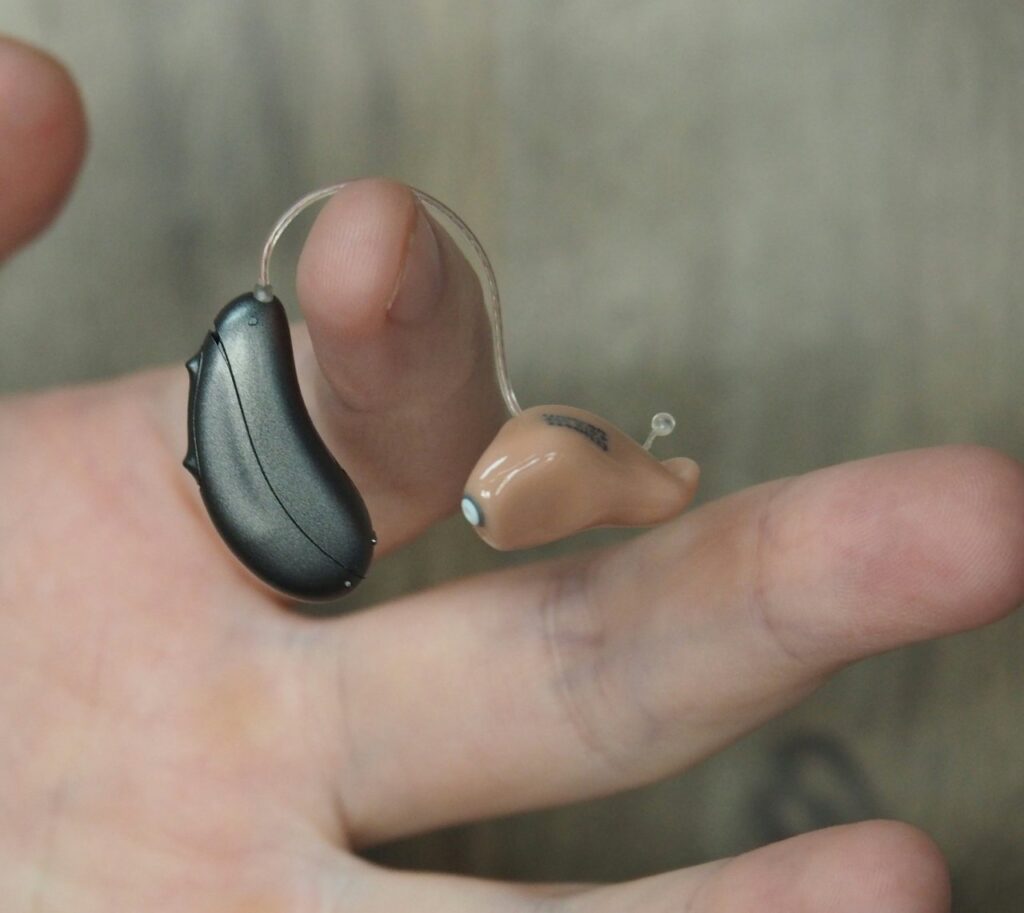
How can you tell when it’s time to replace your hearing aids? Look out for these signs:
Decreased Sound Quality
If you notice that sounds are muffled, distorted, or less clear than they used to be, it might be a sign that your hearing aids are no longer functioning optimally.
Frequent Repairs
If your hearing aids require frequent repairs or adjustments, it might be a sign that they are nearing the end of their lifespan.
Visible Wear and Tear
Cracks, corrosion, or other signs of wear and tear on the casing or components of your hearing aids can indicate that they need replacing.
Battery Problems
If you’re experiencing shorter battery life or your hearing aids are not functioning properly despite fresh batteries, it might be time for a new pair.
Tips for Extending the Life of Hearing Aids
Here are some practical tips to help you prolong the life of your hearing aids:
Daily Cleaning Routines
Clean your hearing aids daily using a soft, dry cloth or a special cleaning brush. Remove any earwax or debris from the microphone ports and earmolds. You can check out our comprehensive hearing aid maintenance guide over on our blog for tips on keeping your hearing aids in tip-top condition.
Safe Storage
When not in use, store your hearing aids in a clean, dry case, away from moisture, heat, and direct sunlight. Consider using a dehumidifier to further protect your devices from moisture damage.
Routine Auditory Check-ups
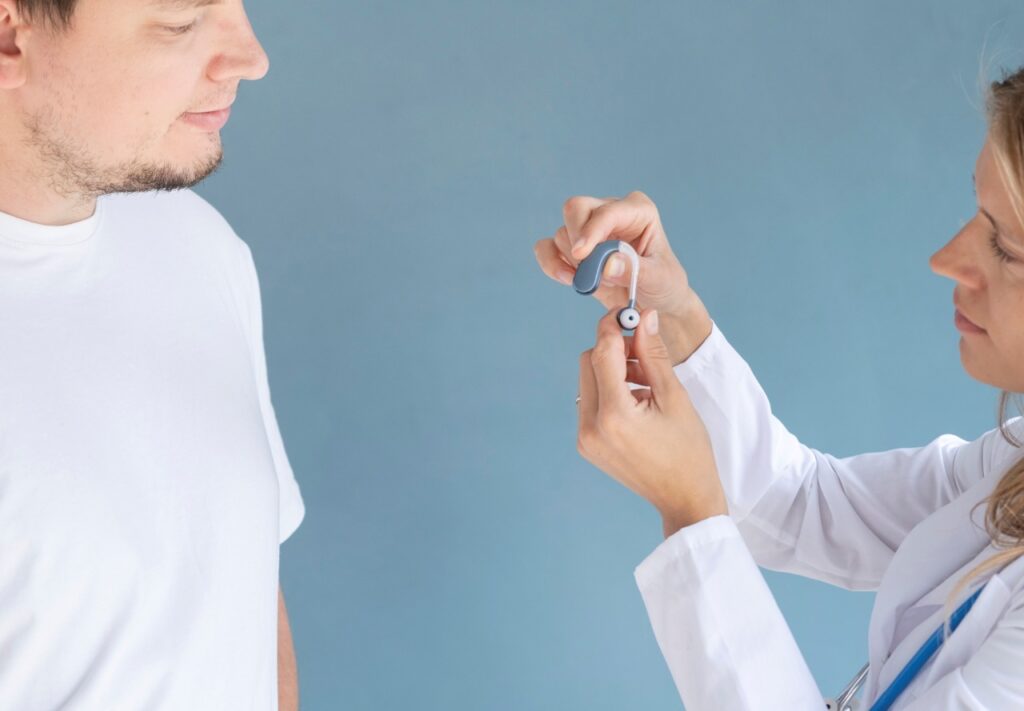
Regular checkups with your audiologist can help ensure your hearing aids are functioning properly and identify any potential issues early on.
Device Servicing
Schedule regular servicing appointments with your audiologist to have your hearing aids professionally cleaned and checked for any necessary adjustments or repairs.
When to Consider a Replacement
While proper care can extend the life of your hearing aids, there comes a time when a replacement is necessary. If you’re experiencing significant issues with sound quality, frequent repairs, or visible wear and tear, it’s time to consider upgrading to a new pair.
Your audiologist can assess the condition of your hearing aids and advise you on the best course of action. They can also help you explore the latest hearing aid technology and find the best options to meet your current hearing needs.
Final Thoughts
Hearing aids are an investment in your hearing health and overall well-being. By understanding their typical lifespan and the factors that affect their longevity, you can take proactive steps to ensure you get the most out of your devices.
At VIP Hearing Solutions, we offer a wide range of top quality hearing aids in London. Our experienced audiologists can help you find the perfect hearing aids to meet your needs and provide ongoing support to ensure you’re always hearing your best, so don’t hesitate to reach out today.