
On This Page
- Immediate Access Without Lengthy Waiting Lists
- Substantially Longer Appointment Times
- Access to Latest Hearing Aid Technology
- Comprehensive Aftercare and Ongoing Support
- Personalised Treatment Plans Tailored to Your Lifestyle
- No Referral Required for Direct Access
- Choice of Appointment Location and Timing
- Advanced Diagnostic Testing Beyond Basic Assessment
- Independent Advice Without Manufacturer Restrictions
- Enhanced Ear Wax Removal Services
- Continuity of Care With Consistent Professionals
- Making the Decision
Choosing between NHS audiology services and private hearing care isn’t just about cost – it’s fundamentally about the level of personalisation, appointment availability, technology access, and ongoing support you’ll receive throughout your hearing journey. Both options provide professional care, but they operate under completely different constraints and priorities that affect your experience substantially.
Private audiology clinics offer advantages that matter enormously for people serious about addressing hearing concerns comprehensively rather than just getting basic treatment. Understanding these benefits helps you make informed decisions about whether private care justifies the investment for your specific situation.
Immediate Access Without Lengthy Waiting Lists

NHS audiology services face enormous demand with limited capacity, creating waiting lists that stretch weeks or months depending on your local trust and referral urgency. For non-urgent cases, you might wait 8-12 weeks just for an initial assessment appointment, then additional weeks for hearing aid fittings if needed.
Private clinics eliminate these waiting times entirely. You can typically book appointments within days, sometimes even same-week if availability exists. This immediacy matters particularly when hearing loss is affecting your work performance, social relationships, or quality of life daily. Every week waiting represents another week of missed conversations, workplace difficulties, or social isolation.
For people noticing sudden hearing changes, rapid access to professional assessment can identify treatable causes – ear wax impaction, infections, medication side effects – before they worsen or become chronic. London’s leading private audiology clinic offers flexible appointment scheduling that works around your life rather than forcing you to accommodate limited NHS availability.
Substantially Longer Appointment Times
NHS audiologists work under tremendous time pressures, often allocated 20-30 minutes per appointment including paperwork and transition time between patients. This rushed environment limits how thoroughly they can discuss your concerns, explain results, explore treatment options, or answer questions comprehensively.
Private audiology appointments typically run 45-90 minutes for initial consultations, allowing audiologists genuine time to understand your hearing history, lifestyle requirements, specific challenges you’re experiencing, and what outcomes matter most to you personally. This extended time enables thorough assessment beyond just basic hearing tests.
The difference shows particularly during hearing aid consultations. NHS appointments might quickly recommend one or two hearing aid models from limited options. Private consultations can explore multiple manufacturers, various technology levels, different styles, and help you understand trade-offs between options based on your actual needs rather than what’s available within NHS contracts.
Access to Latest Hearing Aid Technology
NHS hearing services provide functional, clinically appropriate hearing aids from contracted manufacturers. These work well for many people, but they’re typically not the absolute latest technology generations due to procurement cycles, budget constraints, and contract limitations.
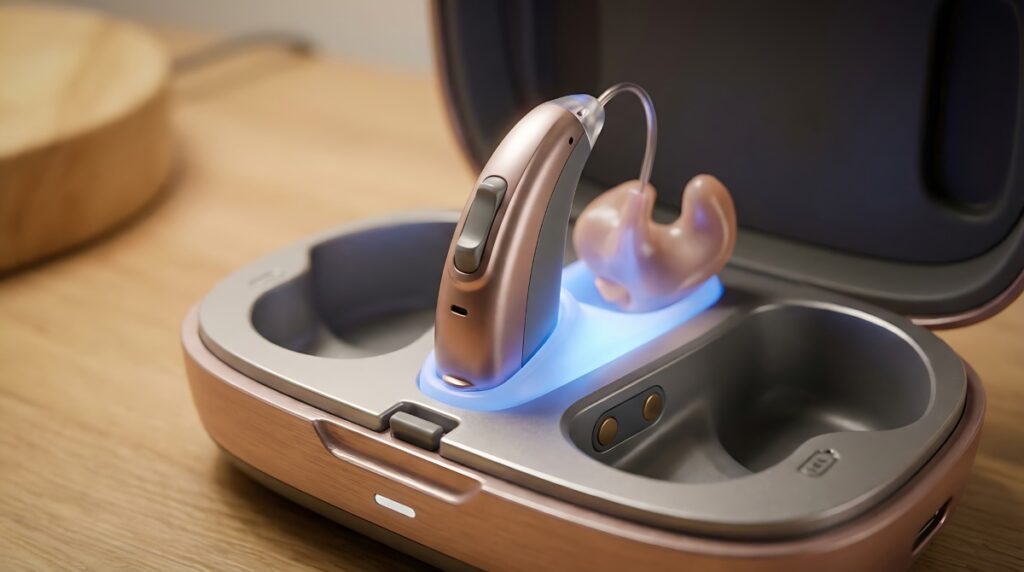
Private clinics as independent providers can offer hearing aids from all major manufacturers – Phonak, Oticon, Widex, Signia, Starkey, ReSound – at various technology levels from entry-level to premium. This means access to the newest features like AI-powered sound processing, advanced Bluetooth connectivity, rechargeable batteries, smartphone app controls, and sophisticated background noise management.
For people with active lifestyles, demanding work environments, or specific requirements like musician-quality sound processing, access to premium technology can make substantial difference between adequate hearing correction and genuinely excellent hearing restoration.
Comprehensive Aftercare and Ongoing Support
NHS follow-up appointments face the same capacity constraints as initial assessments. If you need adjustments after receiving hearing aids, you might wait weeks for appointments. Ongoing support and fine-tuning receive lower priority than initial assessments for new patients.
Private clinics typically include comprehensive aftercare as part of their service model. This includes multiple follow-up appointments for hearing aid adjustments, technology tutorials ensuring you’re using features effectively, troubleshooting support, regular hearing re-testing to track changes over time, and accessible communication for questions or concerns.
This ongoing relationship matters enormously for successful hearing rehabilitation. Studies show that people who receive thorough follow-up support achieve substantially better outcomes with hearing aids than those fitted and sent away without adequate aftercare.
Personalised Treatment Plans Tailored to Your Lifestyle

NHS services must prioritise clinical necessity and standardised protocols. Treatment focuses primarily on addressing hearing loss to functional levels rather than optimising outcomes for individual lifestyle requirements.
Private audiologists have flexibility to truly personalise treatment based on how you actually live. If you’re a musician needing preserved sound quality, a teacher requiring excellent speech clarity in noisy classrooms, or someone who attends theatre regularly and needs specific programme settings, private clinics can accommodate these nuances.
The professional hearing aid fitting process at quality private clinics involves detailed discussion about your daily activities, work environment, hobbies, social situations, and what specific scenarios you find most challenging. Treatment plans then address these real-world priorities rather than just correcting hearing loss generically.
No Referral Required for Direct Access
Accessing NHS audiology typically requires GP referral, adding another waiting period and appointment to the process. You wait for GP availability, explain your concerns, wait for referral processing, then wait again for audiology appointment.
Private clinics allow direct self-referral without GP involvement. You recognise hearing concerns, contact the clinic directly, and book appointments immediately. This removes bureaucratic delays and simplifies access substantially, particularly for people with busy schedules who value efficiency.
Choice of Appointment Location and Timing
NHS audiology services operate from specific hospital or community clinic locations during standard working hours. You attend wherever the local service is based, whenever appointments are available, which often means taking time off work or making complicated travel arrangements.
Private clinics typically offer multiple locations, evening appointments, weekend availability, and sometimes even home visits for people with mobility limitations. This flexibility makes fitting appointments into busy professional lives far more manageable.
Advanced Diagnostic Testing Beyond Basic Assessment
NHS services focus on core diagnostic tests – pure-tone audiometry, tympanometry, basic speech testing – that identify hearing loss and determine hearing aid suitability. More specialised testing might require additional referrals to other services.
Private clinics often provide comprehensive diagnostic capabilities in-house including real ear measurement (verifying hearing aid performance objectively), speech-in-noise testing (assessing real-world hearing challenges), tinnitus assessment and management, balance testing, and various specialised assessments without needing separate referrals.
This comprehensive approach means fewer appointments across multiple services and faster access to complete diagnostic information.
Independent Advice Without Manufacturer Restrictions
NHS hearing aid provision involves contracts with specific manufacturers, limiting what devices audiologists can recommend regardless of what might work best for individual cases. They must work within contracted options even when alternative manufacturers might offer better solutions for specific patients.
Private independent clinics aren’t tied to any manufacturers, allowing genuinely impartial recommendations based purely on what works best for your hearing loss pattern, lifestyle needs, and budget. If one manufacturer’s technology genuinely suits your situation better than others, private audiologists can recommend it without contract restrictions.
Enhanced Ear Wax Removal Services
NHS ear wax removal services have become increasingly difficult to access, with many GP surgeries no longer providing this service and referring to audiology or ENT services where waiting times can be substantial.
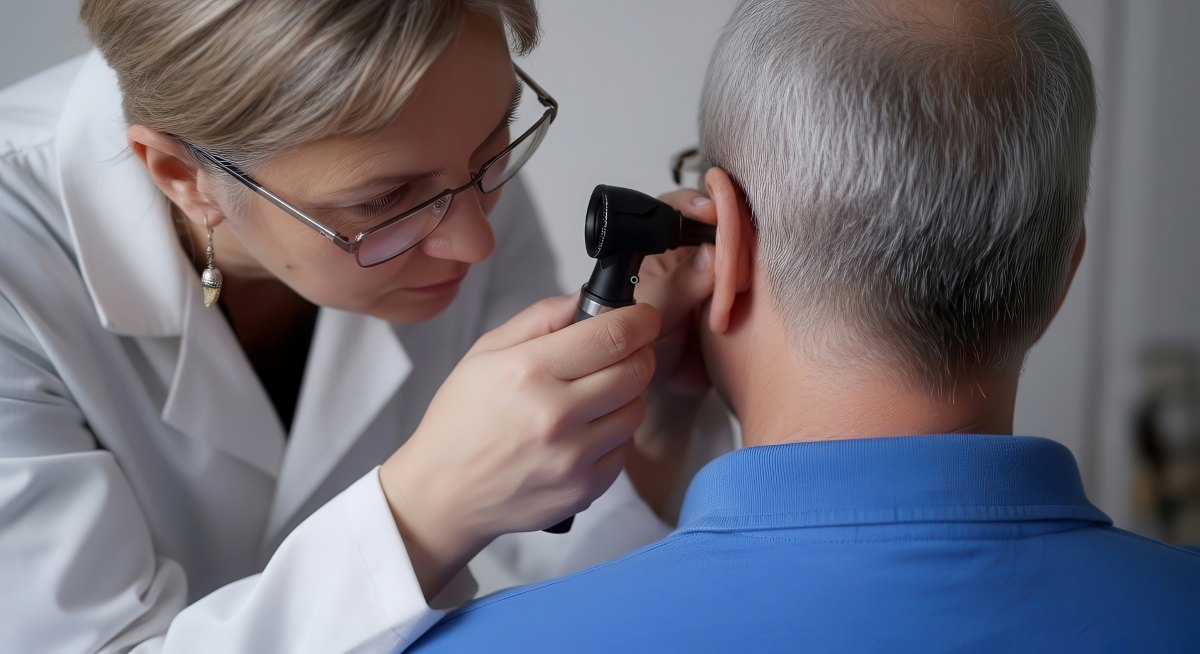
Private clinics offer immediate ear wax removal appointments using microsuction – a safe, comfortable, and effective technique that clears wax under direct visualisation without water irrigation. Same-day or next-day appointments mean you’re not waiting weeks with blocked ears affecting your hearing, balance, and comfort.
Continuity of Care With Consistent Professionals
NHS services often involve seeing different audiologists at different appointments due to staff rotations and capacity management. Each professional needs time to review your history and build understanding of your case.
Private clinics typically provide continuity with the same audiologist managing your care throughout treatment. This relationship allows them to truly understand your hearing journey, remember what approaches worked or didn’t work previously, and make increasingly refined recommendations based on accumulated knowledge about your specific case.
Making the Decision
Private audiology care represents investment in your hearing health that many people find worthwhile for the immediacy, personalisation, technology access, and ongoing support advantages. For people who value their hearing highly, find NHS waiting times unacceptable, or have specific requirements needing flexible personalised approaches, private care often justifies the cost through substantially better experience and outcomes.
The choice ultimately depends on your priorities, budget, and how significantly hearing loss affects your daily life. For people whose hearing challenges substantially impact work, relationships, or quality of life, private care’s advantages often represent excellent value despite higher upfront costs.