
On This Page
- Visual Arts and Crafts
- Gardening and Horticulture
- Swimming and Water-Based Activities
- Walking and Hiking
- Cooking and Baking
- Reading and Writing
- Yoga and Tai Chi
- Bowling and Other Target Sports
- Card and Board Games
- Volunteering with Visual Focus
- The Social Element
- Key Takeaways
- FAQs
- Can people with hearing loss participate in team sports?
- Are fitness classes accessible?
- What about music-based hobbies?
- Do I need to tell hobby groups about hearing loss?
- Can hearing aids help with hobbies?
- What if I’m newly adjusting to hearing loss?
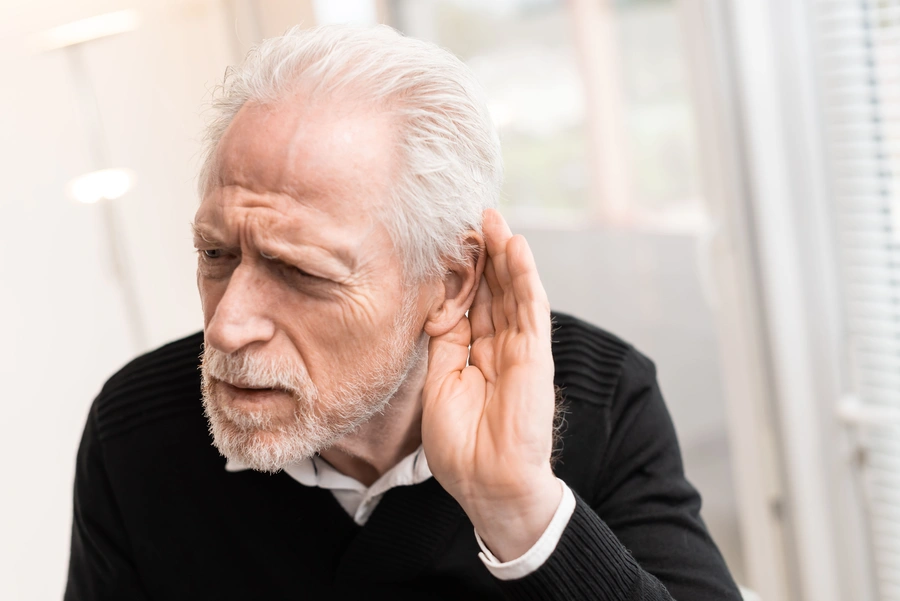
Hearing loss shouldn’t mean giving up activities you love or avoiding new interests – though admittedly, some hobbies become trickier than others. The assumption that you’re limited to quiet, solitary pursuits is outdated and frankly a bit depressing; plenty of engaging, social, and physically active hobbies work brilliantly regardless of hearing ability. It’s more about finding what genuinely interests you and perhaps adapting how you approach it rather than ruling out entire categories.
Let’s take a look at some of the best active hobbies that support ear health.
Visual Arts and Crafts
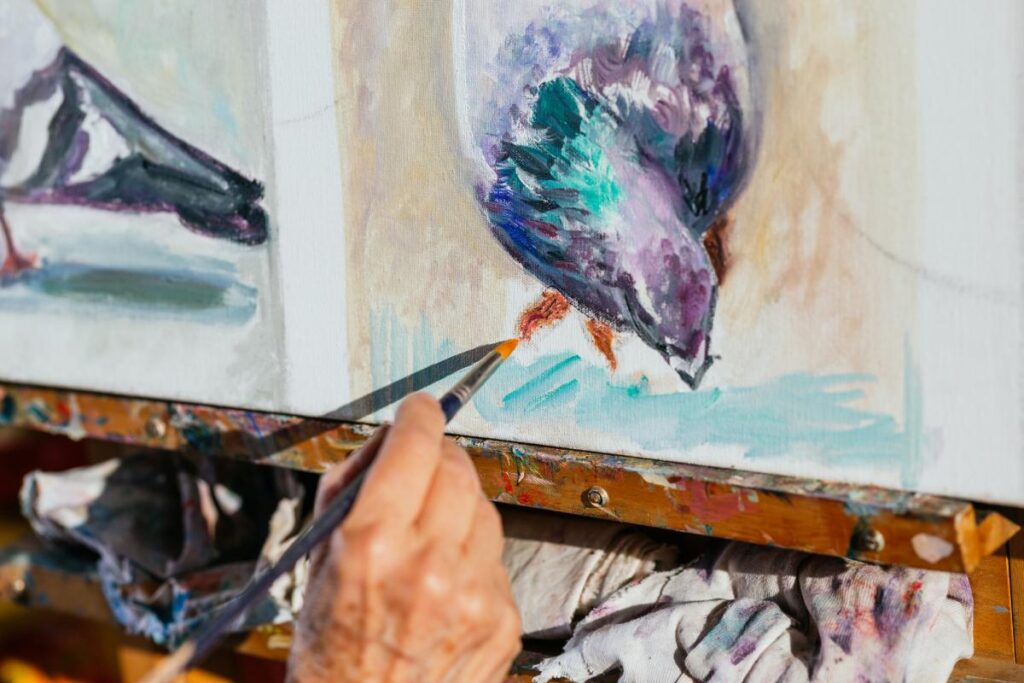
Painting, drawing, pottery, sculpture, textile arts – these are all inherently visual activities where hearing plays no role in the actual craft itself. You’re working with your hands and eyes, creating something tangible that doesn’t require following audio instructions or participating in spoken conversation to succeed at.
Art classes can work well because much of the instruction is demonstrated visually; watching someone throw a pot or blend colours shows you more than verbal explanation ever could. Group art sessions offer social interaction without the pressure of following fast-paced conversation – you’re working alongside people with natural pauses and breaks where communication happens more slowly.
Photography is particularly brilliant because it’s entirely visual by nature. Composition, lighting, colour, timing – none of this requires hearing. Camera clubs and photography walks provide social opportunities where the shared activity (taking photos) creates natural pauses and reduces reliance on constant conversation. You’re looking through viewfinders or reviewing images together, which shifts communication away from purely auditory channels.
Gardening and Horticulture
There’s something deeply satisfying about gardening that has nothing to do with hearing – the feel of soil, watching things grow, being outdoors in fresh air. Allotments and community gardens offer social aspects without demanding constant conversation; you’re working on your plot whilst casually chatting with neighbours when it suits everyone.
Gardening clubs and societies exist everywhere, many running on practical demonstration and show-and-tell formats that suit visual learners. You’re examining plants, comparing techniques, and discussing what worked through demonstration as much as description. The pace is generally relaxed rather than rapid-fire conversation.
Botanical drawing combines gardening interest with art, observing plants closely to capture their details on paper – it’s meditative and engaging whilst being completely visual. Even if you’ve never considered yourself artistic, botanical drawing is more about careful observation than artistic talent.
Swimming and Water-Based Activities
Swimming is excellent exercise that’s completely independent of hearing – in fact, most people can’t hear much whilst swimming anyway because of water going in the ears. Lanes are visually marked, and you’re focused on your stroke and breathing rather than following spoken instructions.
Water aerobics classes can work if the instructor demonstrates movements clearly alongside verbal cues; many participants watch others anyway to follow along. The buoyancy and resistance of water make these classes easier on joints than land-based exercise whilst still providing proper workouts.
Aqua jogging, water polo (adapted versions exist), and synchronised swimming all centre on visual cues and physical awareness. Being in water creates a level playing field where everyone’s hearing is somewhat compromised by the environment anyway.
Walking and Hiking
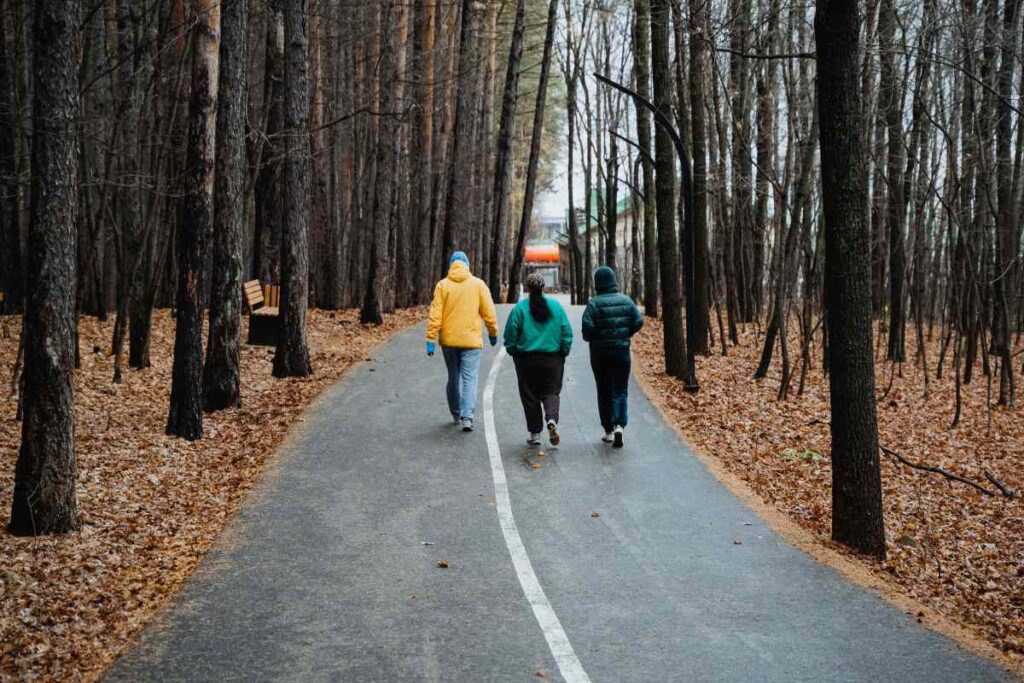
Walking requires no particular hearing – you navigate by sight, follow marked trails, and enjoy scenery and physical movement. Walking groups exist for all abilities and interests, from gentle local rambles to serious hill walking. The rhythm of walking makes conversation naturally intermittent; people focus on where they’re stepping, pause to look at views, and chat during rests rather than maintaining constant dialogue.
Orienteering adds challenge through map reading and navigation, engaging your brain whilst providing exercise. It’s fundamentally about visual interpretation of maps and landscape – hearing doesn’t factor in. Navigation apps and GPS devices make it accessible even for beginners, with communities and clubs available if you want social aspects without pressure.
Cooking and Baking
Following recipes is primarily visual – you’re reading instructions, measuring ingredients, watching textures and colours change. Cooking doesn’t require hearing to succeed, and the results are immediately obvious through taste and appearance. Cooking classes vary in accessibility depending on teaching style, but many include demonstrations and written recipes alongside verbal instruction.
Baking is particularly methodical and visual – dough consistency, colour of baked goods, rise and spring – these are things you see and feel rather than hear. Online video tutorials let you watch techniques repeatedly, pausing and reviewing as needed without struggling to hear an instructor in a busy kitchen.
Food photography combines cooking interest with visual creativity; you’re making attractive food and capturing it beautifully, neither activity requiring hearing. Sharing results on social media or with friends provides social validation and connection.
Reading and Writing
Books are completely accessible regardless of hearing – audiobooks obviously require hearing, but print books, e-books, and e-readers work perfectly. Book clubs might seem challenging but many adapt well; discussions happen at tables where you can see speakers, written questions or discussion guides provide structure, and the slower pace of book club conversation suits lip reading better than rapid crosstalk.
Creative writing is solitary by nature but writing groups provide community and feedback. Many groups share work in written form for comments, with meetings supplementing rather than replacing written feedback. Poetry, fiction, memoir – all of these let you express creativity through words on page rather than spoken language.
Yoga and Tai Chi

Both practices emphasise visual learning – you watch and copy movements demonstrated by instructors. Yoga classes traditionally minimise talking anyway; the focus is on breathing, movement, and body awareness. Once you know basic poses, you can practice independently or follow along with visual cues from instructors.
Tai Chi is explicitly visual, following flowing movements in sequence. Classes often involve watching the instructor and other students, mirroring their movements. The slow, deliberate pace gives you time to observe and adjust rather than rushing to keep up.
Bowling and Other Target Sports
Ten-pin bowling, archery, darts – these are all about visual targeting and physical coordination rather than hearing. Bowling leagues provide regular social contact in environments where the activity itself creates natural pauses for interaction. Scores appear visually on screens, and the game’s structure means you’re not trying to follow rapid conversation whilst simultaneously playing.
Archery is meditative and focused; you’re concentrating on stance, aim, and release. Clubs welcome beginners and the sport scales from casual recreation to serious competition depending on interest.
Card and Board Games
Strategy games engage your brain without requiring hearing – you’re reading cards, planning moves, observing other players’ actions. While some social card games rely heavily on banter and quick exchanges, many board games and card games work through visual information on boards and cards rather than spoken communication.
Chess, bridge (which has visual signalling systems built in), Scrabble, and countless modern board games centre on visual information and strategic thinking. Gaming clubs and cafés often run quieter sessions or games nights specifically oriented toward accessibility.
Volunteering with Visual Focus
Charity shops, food banks, gardening projects, conservation work – loads of volunteering opportunities involve practical tasks that don’t require constant verbal communication. You’re sorting donations, preparing food parcels, clearing paths, or planting trees; activities where the work itself is straightforward and conversations happen naturally during breaks rather than being continuous.
Animal rescue centres and wildlife sanctuaries often need volunteers for practical care work that’s hands-on and visual. Walking dogs, cleaning enclosures, preparing food – these are active, purposeful activities where you’re doing something meaningful without navigating complex auditory environments.
The Social Element
The fear that hearing loss means social isolation often looms larger than reality – many hobbies offer social contact without demanding perfect hearing. Shared activities create connection through doing things together rather than exclusively through conversation; you’re building relationships through common interests and experiences as much as through talking.
Online communities around virtually any hobby exist, providing social connection through text-based communication. Forums, social media groups, and video platforms let you connect with people who share your interests without any hearing barriers. If you’re looking for support alongside pursuing hobbies, expert-led solutions for better ear health at VIP Hearing Solutions can help you engage more fully with activities you enjoy.
Key Takeaways
Hearing loss doesn’t limit you to a narrow range of solitary, quiet hobbies – loads of engaging, physical, creative, and social activities work brilliantly. The key is choosing interests that align with your actual preferences rather than forcing yourself into hobbies just because they seem “suitable” for hearing loss.
Visual activities, physical pursuits where hearing isn’t essential, and hobbies with strong practical or hands-on elements all offer engagement and satisfaction. Many activities that seem hearing-dependent can be adapted; instructors and groups are often happy to accommodate different communication needs once they understand what helps.
Try things that genuinely interest you rather than limiting options preemptively – you might be surprised what works well with minor adjustments or different approaches. The worst outcome is discovering something doesn’t suit you, which just means trying something else.
FAQs
Can people with hearing loss participate in team sports?
Absolutely. Many team sports adapt easily with visual signalling and team-mates who face you when speaking. Deaf-specific leagues also thrive: UK Deaf Sport, the national governing body, supports deaf people to play at every level, from local clubs to the Deaflympics, and many deaf players compete in mainstream teams too.
Many team sports adapt well with visual communication and teammates who understand that they need to face you when speaking. Deaf sports leagues exist for various activities, and mainstream sports teams often accommodate hearing loss with simple adjustments.
Are fitness classes accessible?
It depends on the teaching style. Classes where the instructor demonstrates movements clearly alongside verbal cues — yoga, Tai Chi, water aerobics — tend to work well, while those relying on shouted instructions from the front are harder. Choosing a spot with a clear view of the instructor helps enormously, so ask when booking.
Depends on teaching style – instructors who demonstrate clearly alongside verbal cues work well; classes relying purely on shouted instructions whilst facing away are challenging. Front-row positions where you can see the instructor help enormously.
What about music-based hobbies?
This varies with your degree and type of hearing loss. Some people still enjoy music through rhythm and the physical vibrations they can feel, while others find it frustrating. Percussion instruments like drums, which produce strong vibration, often work where melodic instruments don't, and well-fitted hearing aids can make listening more rewarding for many people.
Degree of hearing loss matters here – some people with hearing loss enjoy music through feeling vibrations and rhythms; others find it frustrating. Instruments like drums that produce physical vibration can work where melody instruments don’t.
Do I need to tell hobby groups about hearing loss?
You don't have to, but it usually helps. Once a group knows, people can make simple adjustments — facing you when they speak, getting your attention before talking, and making sure you have a clear line of sight. Most hobby groups are happy to accommodate these small changes once they understand what makes communication easier.
It’s usually helpful – people can make simple adjustments like facing you when speaking, getting your attention before talking, or ensuring you have good sightlines. Most groups are accommodating once they understand what helps.
Can hearing aids help with hobbies?
Yes. The NHS notes that hearing aids improve your ability to hear speech and make it easier to follow conversations in different settings — a real help in social hobbies like book clubs or gardening groups. Very loud environments, such as workshops with power tools, still need proper ear protection regardless.
Definitely – modern hearing aids improve communication in hobby contexts, though extremely loud environments (like workshops with power tools) still require hearing protection that makes conversation difficult regardless. Hearing aids work with many activities more easily than you might expect.
What if I’m newly adjusting to hearing loss?
Start with hobbies where hearing simply isn't essential — visual arts, gardening or swimming — to rebuild confidence without pressure. As you settle in and learn what works for you, gradually add activities with more social contact, where you can practise communication strategies. There's no rush; try things that genuinely interest you rather than ruling options out.
Start with activities where hearing is clearly not essential – visual arts, gardening, swimming – to build confidence. As you adapt and understand what works for you, branch out to activities with more social elements where you can practice communication strategies.