
On This Page
- Why The Adjustment Period Matters
- Start With Short, Controlled Sessions
- Choose The Right Environment For Practice
- Focus On Conversations First
- Learn The Practical Side Of Use
- Schedule Follow-Up Appointments
- Give Your Brain Time To Adapt
- One Useful Reminder List
- Closing Thoughts
- FAQs
- Do hearing aids restore hearing to normal?
- Should I wear my hearing aids all day?
- What if my hearing aids feel uncomfortable?
- How do I know if my hearing aids need adjusting?
- Can hearing aids help in noisy places like restaurants?
- Do I need to clean my hearing aids every day?
Adjusting to hearing aids can feel overwhelming at first. Sounds you had long forgotten suddenly return, voices seem sharper, and even everyday noises like the hum of a refrigerator or the rustling of paper may feel intrusive. This isn’t a flaw in the device – it’s your brain relearning how to process sound. The period of adjustment is natural, but it can be frustrating without guidance. That’s why understanding a few practical strategies makes the journey smoother and far less stressful.
Why The Adjustment Period Matters
Not only is getting used to hearing aids a physical process, but it’s also a cognitive one. Your ears pick up sound, but it’s the brain that interprets meaning. When hearing loss has been gradual, the brain adapts by “forgetting” certain frequencies. Reintroducing them takes training. For some people it happens quickly; for others it’s a steady climb. Either way, rushing through it usually backfires. The body and mind need time to sync.
Start With Short, Controlled Sessions
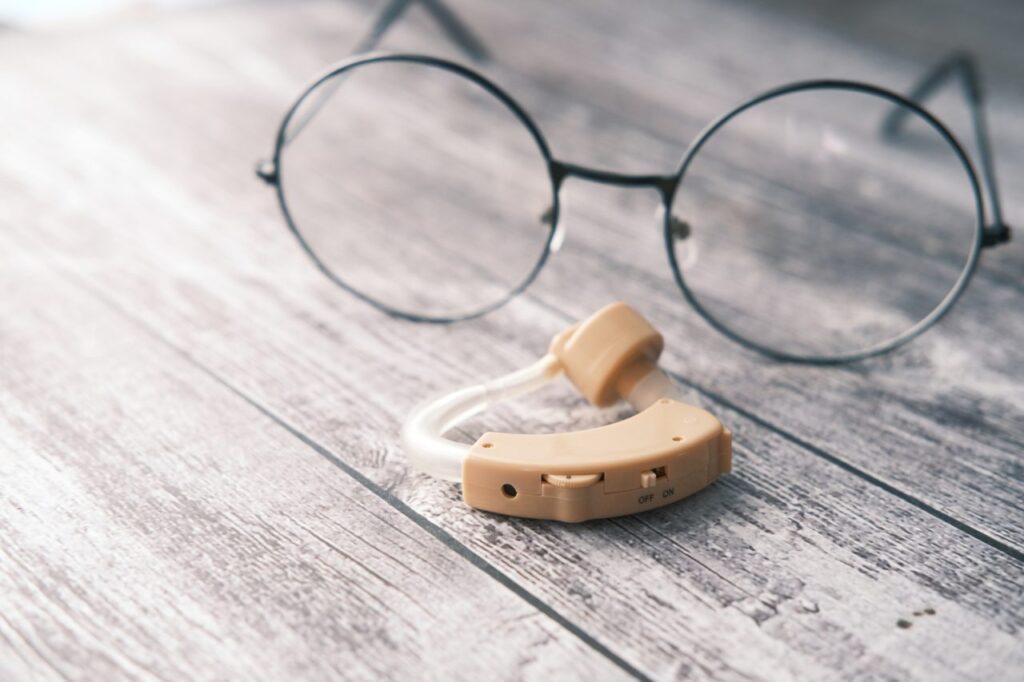
The temptation is to wear new devices all day from the start. That often leads to fatigue. Instead, try short periods in calm environments before tackling noisier places. Maybe begin with an hour at home, then gradually extend the duration. This controlled approach prevents sensory overload. It’s also easier to recognise which sounds feel uncomfortable and when adjustments may be needed.
Choose The Right Environment For Practice
Getting used to new hearing aids is about progression. Quiet rooms let you focus on voices and simple sounds. Once you feel confident, move to environments with layered noise – cafés, supermarkets, parks. Each setting challenges the brain differently. A staged approach works better than forcing yourself into loud situations too early. Confidence grows when exposure builds slowly.
Focus On Conversations First
Speech clarity is usually the biggest motivation for adopting hearing aids. But understanding voices can still be tricky at first. Start by speaking with one person in a quiet room. Face them so you can combine hearing with visual cues. Later, increase the challenge by joining group discussions. The ability to filter voices in crowded settings develops gradually – there’s no shortcut, but steady practice helps the brain learn which sounds to prioritise.
Learn The Practical Side Of Use

Comfort doesn’t only come from sound. It also comes from knowing how to handle the device itself. If you’re unsure about placement or removal, explore guides such as how to insert and remove hearing aids – confidence in handling the device reduces frustration and prevents damage.
And once the mechanics become second nature, you can focus entirely on listening rather than worrying about the equipment.
Schedule Follow-Up Appointments
Even the best technology needs fine-tuning. Regular check-ins with your audiologist allow for personalised adjustments. Not only can they refine sound settings, but they can also assess fit and comfort. A device that’s slightly misaligned may cause irritation, which makes it harder to wear consistently. That’s why an expert-fitting for comfortable use is essential from the beginning. These professional tweaks transform the experience from tolerable to genuinely comfortable.
Give Your Brain Time To Adapt
Perhaps the hardest part is patience. The brain doesn’t instantly readjust to new auditory input. Some people feel progress in weeks; others need months. Fatigue, minor irritations, or moments of sensory overload are part of the process. But adaptation happens, provided the devices are used consistently. Think of it as exercise for the brain – the more you engage with sound, the stronger your listening skills become.
One Useful Reminder List

While personal experience varies, these general practices help nearly everyone during the adjustment period:
- Start small and gradually extend wearing time
- Practise in quiet before tackling noisy settings
- Prioritise conversations to retrain listening focus
- Learn proper handling and maintenance
- Return for follow-ups to refine fit and performance
Each of these steps builds confidence. None require drastic effort – just consistency and awareness of progress.
Closing Thoughts
Getting used to wearing hearing aids is not a single event but a process of adaptation. The initial strangeness fades as the brain retrains and the body adjusts. What feels sharp or intrusive today becomes ordinary tomorrow. And while it requires patience, the payoff is profound: restored access to voices, music, and the subtle background sounds that shape daily life. With the right approach – steady exposure, professional guidance, and a willingness to persevere – hearing aids become more than a device. They become a bridge back to a fuller, richer experience of sound.
FAQs
Do hearing aids restore hearing to normal?
No. Hearing aids amplify and clarify sound to make speech and everyday noises easier to follow, but the NHS confirms they will not make your hearing perfect. They aid your remaining hearing rather than replacing it, so expect clearer listening — not flawless, natural sound in every situation.
No – they amplify and clarify sound but can’t perfectly replicate natural hearing. They’re designed to make speech and environmental sounds easier to follow, not to give you “super-hearing.”
Should I wear my hearing aids all day?
Not immediately. Ease in with short sessions and extend as comfort grows. Most people benefit from wearing them throughout the day — except when sleeping or showering — because consistent daily use helps your brain adapt faster. Building up wearing time gradually prevents the fatigue that all-day wear can cause early on.
Not right away. Ease into longer wear as your comfort grows. Over time, most people benefit from wearing them throughout the day, except while sleeping or showering.
What if my hearing aids feel uncomfortable?
Mild irritation at first is common as you get used to the feeling of them in your ears, but pain or persistent soreness is not. A device that sits slightly wrong can rub or irritate, so book a review — your audiologist can refine the fit or adjust the settings to make wear comfortable.
Mild irritation at first is common, but pain or persistent soreness isn’t. If that happens, an audiologist can adjust the fit or settings.
How do I know if my hearing aids need adjusting?
If certain sounds feel distorted, speech still isn't clear, or background noise stays overwhelming even after consistent daily use, it's time to book a check-in. The NHS arranges follow-up appointments after fitting precisely so your audiologist can fine-tune the sound settings and comfort to match how you actually hear.
If certain sounds feel distorted, if speech isn’t clear, or if background noise feels overwhelming after consistent use, it’s time to book a check-in with your audiologist.
Can hearing aids help in noisy places like restaurants?
Yes, though filtering background noise takes practice. Many hearing aids have dedicated settings for busy environments, and training your brain through gradual exposure — moving from quiet rooms to cafés and supermarkets — helps it learn which sounds to prioritise. Facing the person you're speaking with adds helpful visual cues too.
Yes – but filtering out background noise takes practice. Many devices have settings for these situations, and training your brain with gradual exposure helps too.
Do I need to clean my hearing aids every day?
Yes, a quick daily wipe is best. RNID advises wiping the device with a soft, dry cloth, keeping it dry, and clearing any wax from the openings with the brush your audiologist provides. This simple routine protects sound quality and extends the life of your hearing aids.
A quick wipe daily is best, with deeper cleaning as recommended. Keeping them dry and free of earwax extends their lifespan and performance.