On This Page
While the COVID-19 pandemic might seem to have taken a backseat in our day-to-day lives, researchers are uncovering new information about its effects on our health. One area of growing concern is the potential link between COVID-19 and hearing loss. If you’ve had COVID-19 or know someone who has, you might be wondering about the possible impacts on hearing. Let’s explore what we know so far about this connection.
Understanding COVID-19 and Hearing Loss
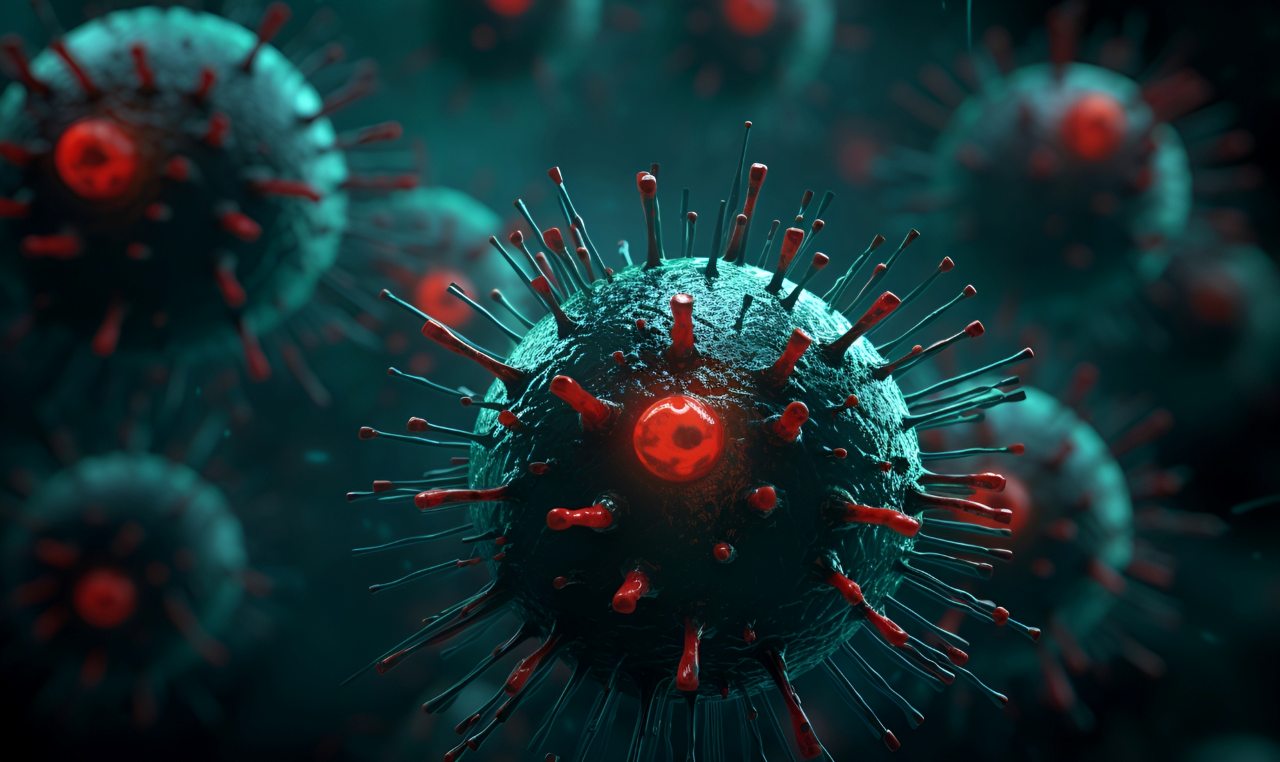
COVID-19, caused by the SARS-CoV-2 virus, primarily affects the respiratory system. However, emerging evidence suggests that it may also impact other parts of the body, including the auditory system. While it’s not the only virus that causes hearing loss, COVID-19 has shown some concerning links to auditory issues.
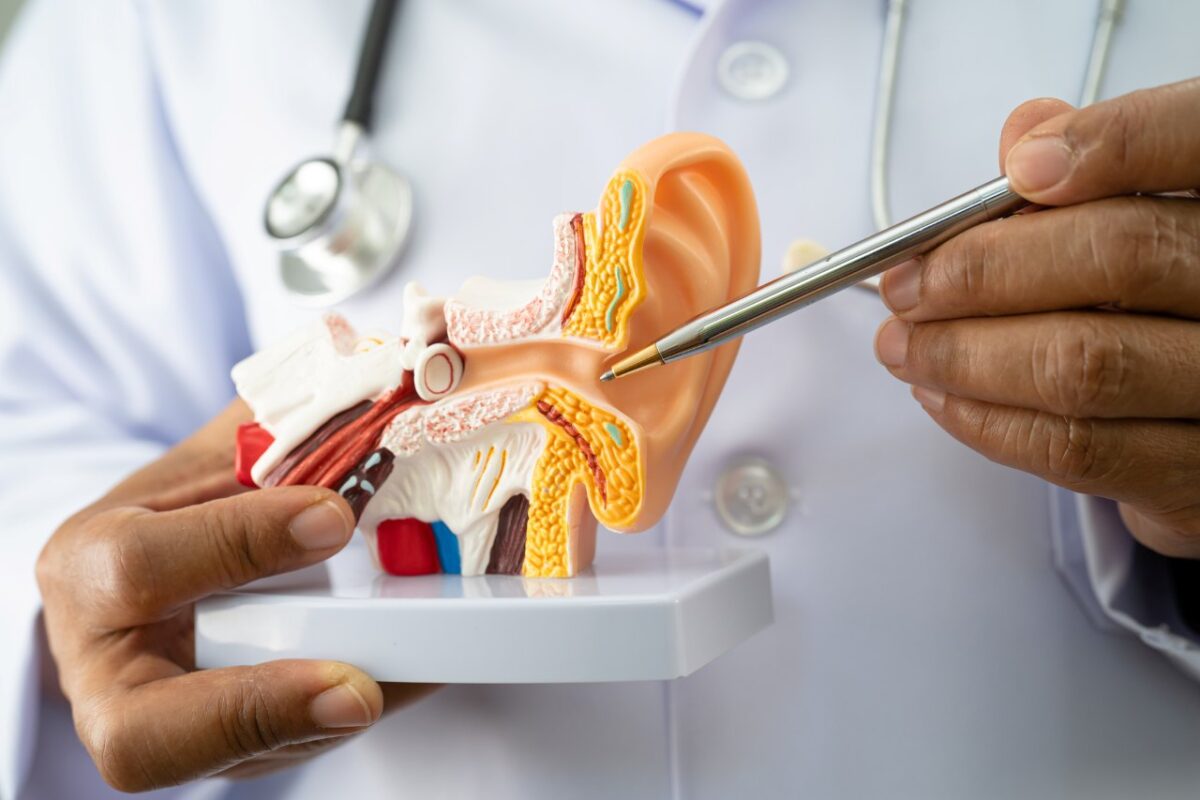
Researchers have proposed several possible ways the virus might affect the inner ear, though none is yet confirmed:
- Direct damage to the hair cells in the cochlea
- Inflammation of the auditory nerve
- Disruption of blood supply to the inner ear
These effects can potentially lead to varying degrees of hearing loss, from mild to severe.
Symptoms of COVID-19-Related Hearing Loss

If you’re concerned about COVID-19 affecting your hearing, here are some symptoms to watch out for:
Sudden Onset
Unlike age-related hearing loss, which typically develops gradually, COVID-related hearing loss can sometimes occur suddenly.
Unilateral or Bilateral
The hearing loss can affect one ear (unilateral) or both ears (bilateral). Some patients report a noticeable difference in hearing between their ears.
Tinnitus
Many individuals with COVID-related hearing issues report experiencing tinnitus – a ringing, buzzing, or whistling sound in the ears.
Difficulty Understanding Speech
You might find it challenging to follow conversations, especially in noisy environments.
Ear Fullness
Some patients describe a sensation of fullness or pressure in their ears.
Diagnosis and Testing

If you suspect that COVID-19 has affected your hearing, it’s important to seek professional help. The diagnostic process typically involves:
Medical History
Your doctor will ask about your COVID-19 experience and any hearing changes you’ve noticed.
Physical Examination
A thorough examination of your ears, nose, and throat will be conducted to rule out other potential causes of hearing loss.
Audiological Evaluation
This comprehensive hearing test assesses your ability to detect different sounds and understand speech.
Imaging Studies
In some cases, MRI or CT scans might be necessary to visualise the structures of your inner ear and auditory nerve.
Treatment and Management
While the effects of COVID-19 on hearing are still being studied, there are several approaches to managing COVID-related hearing loss:
Medications
Depending on the underlying cause, your doctor might prescribe corticosteroids, the standard treatment for sudden sensorineural hearing loss, which are most effective when started early.
Hearing Aids
For persistent hearing loss, hearing aids can significantly improve your ability to hear and communicate effectively.
Cochlear Implants
In cases of severe to profound hearing loss, cochlear implants might be recommended to bypass damaged parts of the inner ear.
Speech and Hearing Rehabilitation
Working with an audiologist or speech therapist can help you develop strategies to cope with hearing loss and improve communication skills.
Preventive Measures

While we can’t completely eliminate the risk of COVID-related hearing loss, there are steps you can take to protect your hearing health:
Vaccination
Getting vaccinated against COVID-19 reduces your risk of infection and severe illness; whether it lowers the specific risk of hearing loss is not established.
Early Detection
If you notice any changes in your hearing, especially after a COVID-19 infection, seek medical attention promptly. Early intervention can often lead to better outcomes.
Monitoring Hearing Health
Regular hearing check-ups can help detect any changes in your hearing early on. If you’re due for a hearing test, consider scheduling one with a qualified audiologist.
Final Thoughts
The relationship between COVID-19 and hearing loss is an area of ongoing research. While not everyone who contracts COVID-19 will experience hearing problems, it’s important to be aware of the potential risk. If you’ve had COVID-19 and are concerned about your hearing, don’t hesitate to seek professional help.
At VIP Hearing Solutions, we’re committed to supporting your hearing health through these challenging times. Our team of experienced audiologists can provide comprehensive hearing assessments and personalised treatment plans. Whether you need a hearing test, hearing aids, or you’re simply looking for ear wax removal in London, we’re here to help.
Remember, your hearing health is an essential part of your overall well-being. By staying informed and proactive, you can protect your hearing and maintain a high quality of life, even in the face of challenges like COVID-19. If you have any concerns about your hearing, reach out to us. We’re here to listen and help you navigate your hearing health journey.