
On This Page
If you’re experiencing hearing loss, you might be exploring different options to improve your hearing and quality of life. Two common solutions are hearing aids and cochlear implants. But what exactly are these devices, and how do they differ?
While both aim to enhance hearing, they work in fundamentally different ways and are designed for different types and severities of hearing loss. So, whether you’re just starting your research or trying to decide which option is right for you, let’s break down the key differences between cochlear implants and hearing aids.
What is a Hearing Aid?
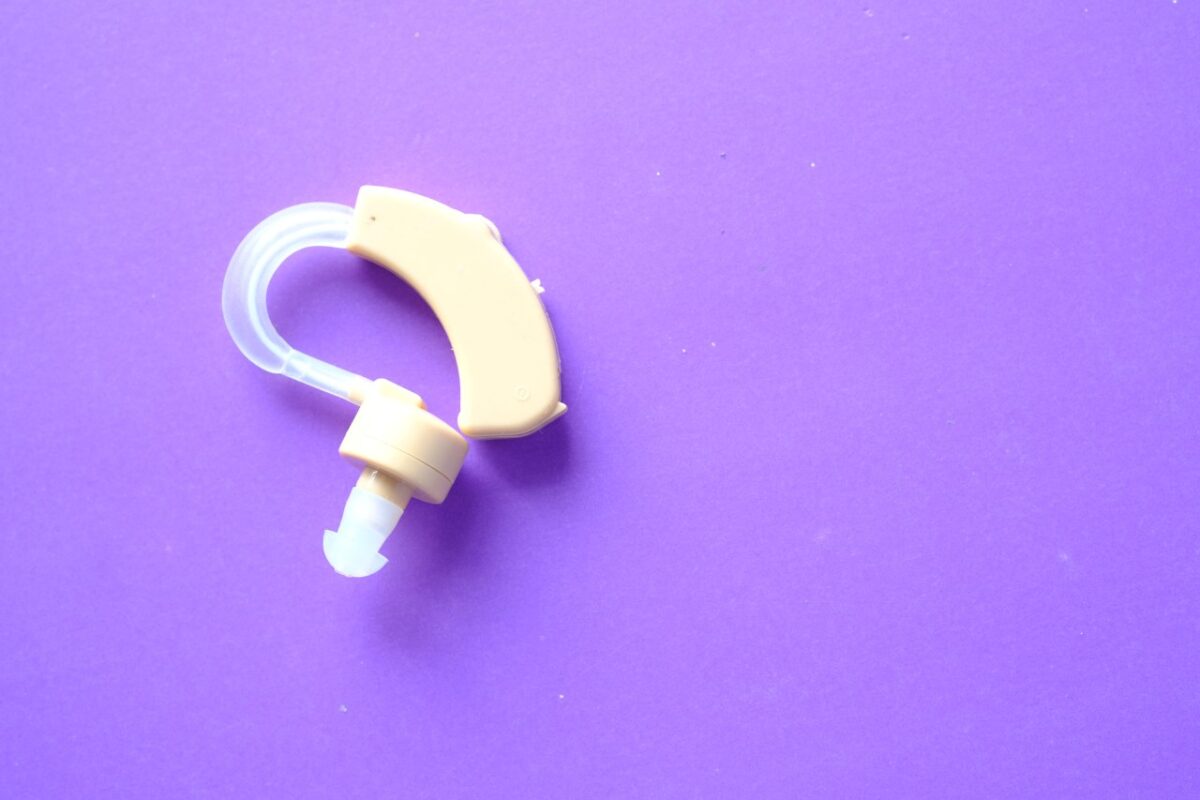
A hearing aid is a small electronic device worn in or behind the ear that makes sounds louder and clearer. Its microphone, amplifier and speaker work together to boost sound into the ear canal, helping people with mild to moderate hearing loss follow conversations. It works only if some natural hearing remains.
A hearing aid is a small, electronic device that is worn in or behind the ear. It’s designed to amplify sounds, making them easier to hear for those with mild to moderate hearing loss.
How Hearing Aids Work

Hearing aids consist of a microphone, amplifier, and speaker. The microphone picks up sound waves and converts them into electrical signals. The amplifier increases the strength of these signals, and the speaker delivers the amplified sound into the ear canal.
Benefits of Hearing Aids
Hearing aids can significantly improve hearing and communication for people with mild to moderate hearing loss. They can help you:
- Hear conversations more clearly
- Follow along with television and music
- Participate in social activities with greater ease
- Enjoy a more fulfilling and independent life
And if you’re looking for more information on severe hearing problems take a look at our severe hearing loss guide – we’re here to help you on your journey to better hearing.
What is a Cochlear Implant?
A cochlear implant is a surgically fitted electronic device for severe to profound hearing loss that hearing aids can no longer help. Rather than amplifying sound, it bypasses the damaged inner ear and directly stimulates the auditory nerve. An external processor and internal electrode array turn sound into electrical signals the brain learns to interpret.
A cochlear implant is a surgically implanted electronic device that provides a sense of sound to people with severe to profound hearing loss. Unlike hearing aids, which amplify sound, cochlear implants bypass the damaged parts of the inner ear and directly stimulate the auditory nerve.
How Cochlear Implants Work
A cochlear implant consists of two main parts:
- The external part: This includes a microphone, speech processor, and transmitter, worn behind the ear.
- The internal part: This includes a receiver and electrode array, surgically implanted under the skin.
The microphone picks up sound waves, and the speech processor converts them into electrical signals. These signals are transmitted to the internal receiver, which sends them to the electrode array in the cochlea. The electrodes stimulate the auditory nerve, sending signals to the brain, where they are interpreted as sound.
Benefits of Cochlear Implants
Cochlear implants can be life-changing for people with severe to profound hearing loss who don’t benefit from hearing aids. They can help you:
- Understand speech without lip reading
- Hear environmental sounds, like birds singing or doorbells ringing
- Enjoy music and other auditory experiences
- Communicate more effectively with loved ones
Comparing Hearing Aids and Cochlear Implants

While both devices aim to improve hearing, there are key differences to consider.
Hearing Aids for Mild to Moderate Hearing Loss
Hearing aids are typically recommended for people with mild to moderate hearing loss. They amplify sounds, making them louder and easier to hear.
Cochlear Implants for Severe to Profound Hearing Loss
Cochlear implants are designed for people with severe to profound hearing loss who don’t benefit from hearing aids. They bypass the damaged parts of the inner ear and directly stimulate the auditory nerve.
Invasiveness and Procedure
Hearing aids are non-invasive and can be fitted without surgery. Cochlear implants, however, require a surgical procedure to implant the internal components.
Cost and Insurance Coverage
Cochlear implants are generally more expensive than hearing aids. Insurance coverage varies depending on your provider and the specifics of your situation.
Making the Right Choice

Choosing between a hearing aid and a cochlear implant is a personal decision that should be made in consultation with a hearing specialist.
Factors to Consider
- Severity of hearing loss: The degree of your hearing loss is a primary factor in determining which device is appropriate.
- Overall health: Your overall health and any underlying medical conditions will be taken into consideration.
- Lifestyle and communication needs: Your lifestyle and communication needs will help determine which device best suits your daily activities and social interactions.
- Personal preferences: Ultimately, your personal preferences and comfort level with the different devices will play a role in your decision.
Consulting with a Hearing Specialist
A hearing specialist can conduct a comprehensive hearing evaluation, discuss your options, and help you make an informed decision about which device is right for you.
Final Thoughts
Both hearing aids and cochlear implants can significantly improve the quality of life for people with hearing loss. Understanding the differences between these devices and consulting with a hearing specialist can help you make the best choice for your individual needs and preferences.
If you’re experiencing hearing loss, don’t hesitate to seek professional guidance. At VIP Hearing Solutions, we offer a wide range of hearing solutions and personalised care to help you regain your hearing and enjoy a more fulfilling life. Contact our top-rated hearing clinic in London to schedule a consultation and explore your options.