

On This Page
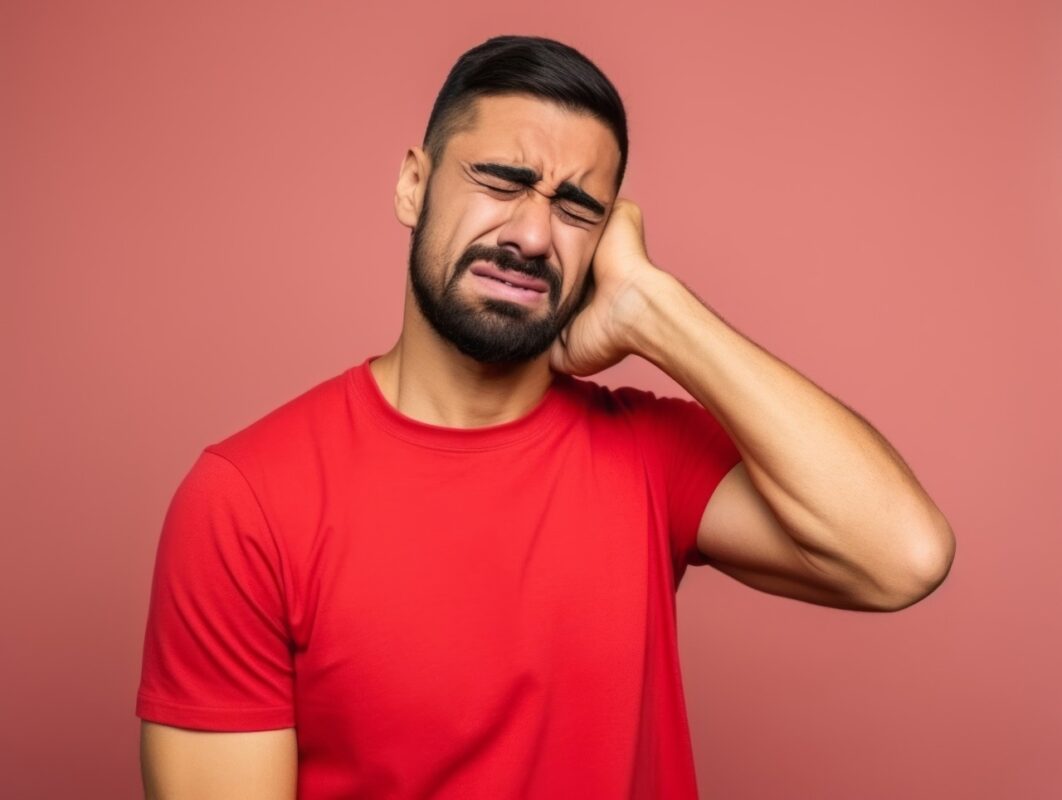
Ear infections are common, especially in children, but they can affect people of all ages. While they’re often painful and inconvenient, they also raise an important question: can an ear infection cause hearing loss? The answer depends on several factors, including the type of infection and how it’s treated. Let’s break down what you need to know about ear infections and their potential impact on your hearing.
Understanding Ear Infections
To understand how ear infections can affect hearing, it’s helpful to know what they are and what causes them.
What is an Ear Infection?
An ear infection occurs when bacteria or viruses invade the ear, leading to inflammation and fluid build-up. These infections often affect the middle ear (otitis media) but can also occur in the outer or inner ear. While they’re usually treatable, the severity can vary, and the impact on hearing can depend on how quickly they’re addressed.
Common Causes of Ear Infections
Ear infections are often triggered by colds, sinus infections, or allergies that cause blockages in the Eustachian tube. This small tube helps regulate pressure in the middle ear, and when it becomes blocked, it can trap fluid, creating the perfect environment for an infection. Children are particularly prone to ear infections because their Eustachian tubes are smaller and more easily obstructed.
If you’re curious about other factors that can affect your hearing, our guide on the common causes of hearing loss offers more insight.
How Ear Infections Can Affect Hearing

Ear infections can lead to hearing loss in different ways, ranging from temporary disruptions to more lasting effects.
Temporary Hearing Loss
It’s common for ear infections to cause temporary hearing loss, especially when the middle ear is affected.
How it Occurs
Temporary hearing loss happens because the fluid build-up in the middle ear blocks sound from passing through effectively. It’s similar to the sensation of having water trapped in your ear after swimming.
Duration and Recovery
Fortunately, most cases of hearing loss caused by ear infections resolve once the infection is treated, and the fluid drains. Recovery can take anywhere from a few days to a few weeks, depending on the severity of the infection and how quickly it’s addressed.
Permanent Hearing Loss
While rare, ear infections can occasionally lead to permanent hearing loss, particularly if complications arise or the infection is left untreated.
Risk Factors
Repeated ear infections or severe cases involving damage to the eardrum or inner ear structures can increase the risk of permanent hearing loss. Chronic conditions, like untreated otitis media with effusion (fluid build-up without infection), can also contribute to long-term hearing issues.
How to Identify
Permanent hearing loss often develops gradually and may not be immediately noticeable. Signs include difficulty understanding speech, a persistent sensation of muffled sound, or trouble hearing high-pitched tones.
Symptoms of Ear Infections
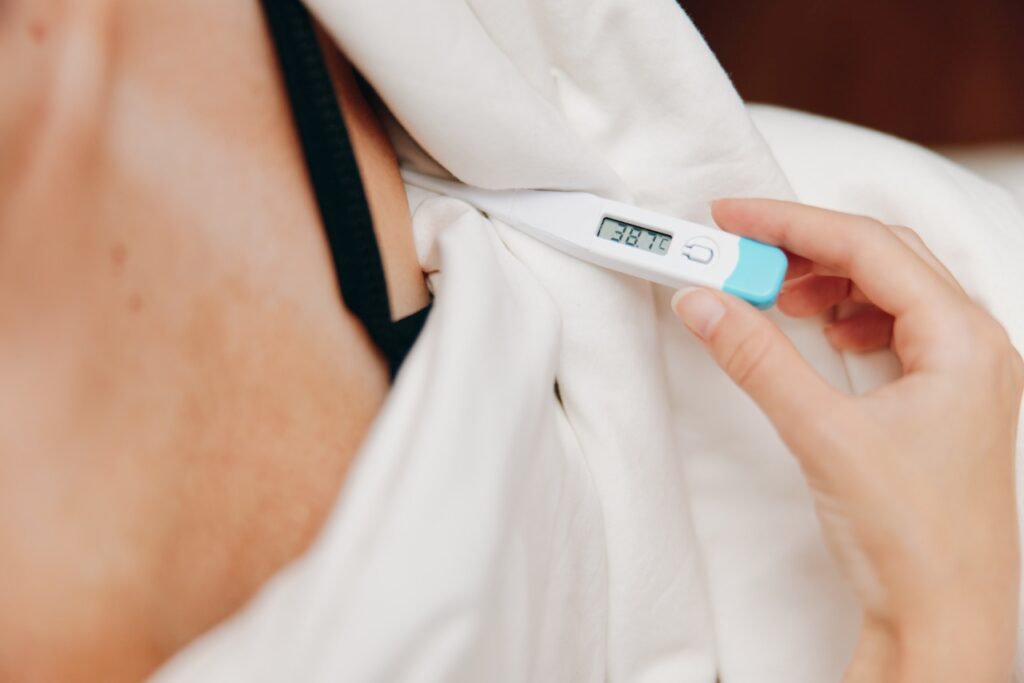
Recognising the symptoms of an ear infection is essential for early treatment. Common signs include:
- Ear pain or discomfort
- Fluid drainage from the ear
- Difficulty hearing or a muffled sensation
- Fever or a feeling of pressure in the ear
Symptoms of Hearing Loss
Hearing loss caused by an ear infection may manifest as:
- Trouble hearing conversations, particularly in noisy environments
- A sensation that sounds are dull or distant
- Difficulty following speech or needing to ask others to repeat themselves
Treatment Options

The good news is that most ear infections and related hearing issues are treatable.
Home Care Remedies
For mild infections, over-the-counter pain relievers, warm compresses, and staying hydrated can help alleviate symptoms. However, it’s important to monitor your condition to ensure it doesn’t worsen.
Medical Treatments
For more severe infections, your doctor may prescribe antibiotics, particularly if the infection is bacterial. The NHS advises against using decongestants or antihistamines for ear infections, as there is no evidence they help.
Prevention Strategies
Taking proactive steps can reduce your risk of developing ear infections and their potential impact on hearing.
Tips to Prevent Ear Infections
- Keep your ears dry after swimming or bathing.
- Treat colds, sinus infections, and allergies promptly.
- Avoid smoking or exposure to second-hand smoke, which can irritate the ear.
Importance of Early Treatment
Catching an ear infection early is key to preventing complications like hearing loss. If you notice any symptoms, don’t hesitate to seek advice.
When to See a Doctor
If ear pain persists for more than a couple of days, or if you notice symptoms like fluid discharge or significant hearing loss, it’s time to consult a professional. A hearing specialist can evaluate your condition and recommend the best course of action to protect your ears.
Final Thoughts
So, can an ear infection cause hearing loss? The short answer is yes, but it’s often temporary and treatable. By understanding the symptoms, seeking prompt care, and taking preventative measures, you can reduce the risk of long-term effects and keep your hearing in top shape.
If you’re experiencing hearing issues or have concerns about your ear health, we’re here to help. Book a consultation with VIP Hearing Solutions, the top hearing clinic in the UK, and take the first step towards better hearing today.


