


On This Page
- Why Do Your Ears Need to Pop?
- The Valsalva Manoeuvre (The Classic Method)
- The Toynbee Manoeuvre (Swallowing While Pinching)
- Chewing and Yawning (The Natural Approach)
- The Frenzel Manoeuvre (For Divers)
- The Lowry Technique (Combination Method)
- Can I Use a Warm Compress for Popped Ears?
- Steam Inhalation
- What NOT to Do for Popped Ears
- When to See a Professional
- Preventing Ear Pressure Issues
- Special Considerations
- The Bottom Line
That blocked, pressurised feeling in your ears is one of the most annoying sensations. Everything sounds muffled, your own voice echoes weirdly in your head, and no matter how much you yawn or swallow, nothing seems to shift it.
Ear pressure happens when the pressure inside your middle ear doesn’t match the pressure outside. This creates that uncomfortable blocked sensation and the overwhelming urge to make your ears pop. The good news is there are several safe, effective ways to equalise that pressure and get relief. The bad news is there are also unsafe methods that can actually damage your ears.
So let’s talk about how to pop your ears properly – techniques that work without risking injury – and what you should absolutely avoid doing.
Why Do Your Ears Need to Pop?
Your ears pop to equalise the air pressure between your middle ear and the outside world. The Eustachian tube, linking your middle ear to the back of your nose, opens when you swallow, yawn or chew. Rapid altitude changes, colds or allergies can stop it opening, so pressure builds and your ear feels blocked.
Ever wondered why your ears keep popping? It’s pretty simple: your middle ear is an air-filled space behind your eardrum, connected to the back of your throat by the Eustachian tube. This tube normally opens when you swallow, yawn, or chew, allowing air to flow in and out and keeping the pressure equalised.
When you change altitude quickly – flying, driving up mountains, diving – the external air pressure changes faster than your middle ear can adjust. Your Eustachian tube doesn’t open frequently enough to equalise the pressure, creating that blocked feeling.
Colds, allergies, and sinus infections can also cause pressure issues by inflaming and blocking your Eustachian tubes. When the tubes can’t open properly, pressure builds up and your ears feel blocked even without altitude changes.
The Valsalva Manoeuvre (The Classic Method)

This is probably the most well-known ear-popping technique, and it works really well when done correctly.
Close your mouth, pinch your nose shut, and gently blow air through your nose. You should feel pressure building in your head, and then your ears should pop as air forces its way through your Eustachian tubes into your middle ear.
The key word here is gently. You’re not trying to blow your nose forcefully – you’re creating just enough pressure to open your Eustachian tubes. Blowing too hard can damage your eardrum or push infected mucus from your throat into your middle ear, potentially causing an ear infection.
If it doesn’t work the first time, don’t keep trying harder and harder. That’s how people hurt themselves. Try a different method instead.
The Valsalva manoeuvre works best for pressure changes during flying or altitude changes. It’s less effective if your Eustachian tubes are blocked by congestion or inflammation.
The Toynbee Manoeuvre (Swallowing While Pinching)
This is a gentler alternative to the Valsalva manoeuvre and often works better for people with congestion.
Pinch your nose shut, close your mouth, and swallow. The swallowing motion activates the muscles that open your Eustachian tubes, while pinching your nose creates enough pressure difference to help them pop.
You can make this more effective by taking a sip of water first, then pinching your nose and swallowing. The swallowing reflex is stronger when you’re actually swallowing something.
This method is safer than Valsalva because you’re not actively blowing air, so there’s less risk of forcing pressure or infected material where it shouldn’t go.
Chewing and Yawning (The Natural Approach)
Sometimes the simplest methods work best. Chewing gum, eating, or deliberately yawning repeatedly can naturally open your Eustachian tubes and equalise pressure.
The jaw movements and muscle contractions involved in chewing and yawning pull on the tissues around your Eustachian tubes, helping them open. This is why many people automatically chew gum during flights – it genuinely helps prevent ear pressure issues.
Yawning is particularly effective because it creates a really wide opening of the Eustachian tubes. If you can trigger a genuine big yawn (try thinking about yawning or watching someone else yawn), it often pops your ears immediately.
This approach works great for mild pressure issues but might not be enough for more significant blockages or severe altitude changes.
The Frenzel Manoeuvre (For Divers)
This technique is commonly used by scuba divers and freedivers to equalise ear pressure underwater.
Close your mouth and pinch your nose, then try to make a “K” or “guh” sound in the back of your throat while keeping everything closed. This uses your throat and tongue muscles to compress air and push it into your Eustachian tubes.
It’s gentler than the Valsalva manoeuvre because you’re using muscle contraction rather than lung pressure to equalise. This makes it safer and less likely to cause problems.
The Frenzel manoeuvre takes a bit of practice to master, but once you get the hang of it, it’s really effective and can be done repeatedly without fatigue.
The Lowry Technique (Combination Method)
The Lowry technique combines elements of Valsalva and Toynbee – you pinch your nose, close your mouth, blow gently while simultaneously swallowing.
This creates pressure from blowing while the swallowing motion helps open your Eustachian tubes. For some people, this combination works better than either method alone.
Again, the emphasis is on gentle pressure. You’re not trying to blow your ears out – you’re just creating enough pressure difference to help the tubes open.
Can I Use a Warm Compress for Popped Ears?
Yes — a warm (not hot) flannel held gently against the ear for 10–15 minutes is a safe comfort measure. When pressure comes from a cold or allergies, the warmth can soothe an achy, blocked ear, and steam inhalation may ease the congestion behind it. It won't fix altitude-related pressure.

Heat can help relieve ear pressure by reducing inflammation and encouraging drainage. Soak a flannel in warm (not hot) water, wring it out, and hold it against the affected ear for 10-15 minutes.
The warmth improves blood circulation, reduces swelling, and can help your Eustachian tubes open more easily. This works particularly well if your ear pressure is caused by congestion or inflammation rather than just altitude changes.
You can also try a heated wheat bag or hot water bottle wrapped in a towel – anything that provides gentle, sustained warmth.
Steam Inhalation
Inhaling steam can help clear congestion and reduce inflammation in your Eustachian tubes, making it easier for them to open and equalise pressure.
Fill a bowl with hot water, lean over it with a towel draped over your head to trap the steam, and breathe deeply for 10-15 minutes. The warm, moist air helps thin mucus and reduce swelling.
Adding a few drops of eucalyptus or peppermint oil can enhance the decongestant effect, though the steam alone works fine.
This is especially helpful when ear pressure is related to colds, allergies, or sinus issues rather than altitude changes.
What NOT to Do for Popped Ears
Some common ear-popping methods are actually dangerous and can cause serious damage:
Never use cotton buds or other objects in your ear. They won’t relieve pressure (which happens in your middle ear, behind your eardrum) and you risk perforating your eardrum or impacting earwax.
Don’t blow too hard during Valsalva. Excessive force can rupture your eardrum or force infected material into your middle ear, causing infection.
Avoid ear candling. It doesn’t work, it’s not safe, and it can cause burns, ear canal blockages, or eardrum perforation.
Don’t ignore persistent pressure. If your ears won’t pop after trying gentle techniques, or if you have pain, drainage, or hearing loss, see a professional.
When to See a Professional
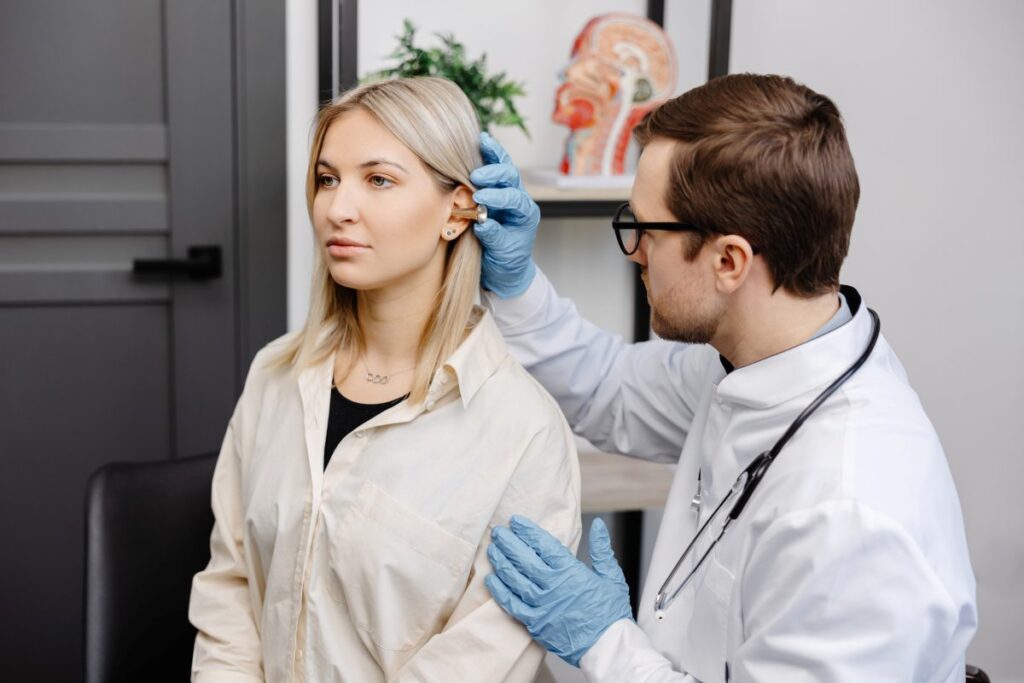
Most ear pressure issues resolve on their own or with the techniques above. But sometimes you need professional help.
See a doctor or audiologist if:
- Your ears won’t pop after several days
- You have severe pain alongside the pressure
- You notice fluid or blood draining from your ear
- Your hearing is significantly affected
- You have dizziness or balance problems
- The pressure keeps returning frequently
These could indicate infections, Eustachian tube dysfunction, or other issues that need medical treatment. At the VIP Hearing Solutions clinic, we can assess ear pressure problems and provide appropriate treatment when home methods aren’t working.
Preventing Ear Pressure Issues
Prevention is easier than treatment, especially if you know you’re prone to ear pressure problems.
During flights, chew gum during takeoff and landing, or use the Valsalva or Toynbee manoeuvres periodically to equalise pressure before it builds up. Stay hydrated – this keeps mucus thinner and helps Eustachian tubes function better.
If you have a cold or allergies, consider taking a decongestant before flying. This reduces inflammation in your Eustachian tubes and makes pressure equalisation easier.
For diving, always equalise early and often – don’t wait until you feel pressure. Descending slowly and equalising every few feet prevents problems before they start.
Special Considerations
Babies and young children can’t equalise ear pressure deliberately, which is why they often cry during flights. Feeding them during takeoff and landing (bottle, breast, or dummy) encourages swallowing and helps equalise pressure.
If you have chronic sinus issues, allergies, or frequent ear infections, you might need ongoing treatment to manage Eustachian tube function. Don’t just suffer through repeated pressure problems – get assessed and treated.
The Bottom Line
Popping your ears safely comes down to using gentle techniques that encourage your Eustachian tubes to open naturally. The Valsalva, Toynbee, and Frenzel manoeuvres all work well when done correctly – the key is being gentle and not forcing anything.
Chewing, yawning, and swallowing are your first-line approaches for mild pressure issues. For congestion-related pressure, steam and warm compresses can help reduce inflammation and make equalisation easier.
Never stick objects in your ears, never blow with excessive force, and don’t ignore persistent or painful pressure issues. When home methods don’t work or symptoms suggest something more serious, professional assessment ensures you get proper treatment without risking damage to your ears.


