
On This Page
- Communication Breakdowns in Everyday Life
- Frustration and Misunderstanding
- Emotional Distance and Withdrawal
- The Impact on Intimate Relationships
- Social Life and Shared Experiences
- Supporting a Loved One with Hearing Loss
- Rebuilding Communication and Confidence
- How Professional Hearing Care Can Save Your Relationship
- Don’t Let Hearing Loss Affect Your Relationships
Hearing plays a central role in how we connect with the people around us. From everyday conversations to shared experiences, clear communication helps build trust, understanding, and emotional closeness. So, when hearing loss develops, it doesn’t just affect the individual – it can also have a significant impact on relationships.
Because hearing loss often develops gradually, many couples, families, and friends adapt without fully recognising the cause of communication difficulties. Over time, however, misunderstandings, frustration, and emotional distance can begin to affect relationship satisfaction.
Understanding how hearing loss influences relationships can help you recognise the signs early and take steps to maintain strong, healthy connections with the people who matter most.
Communication Breakdowns in Everyday Life
At the heart of most relationship challenges linked to hearing loss is communication. Conversations that once felt effortless can become more difficult, particularly in busy environments or group settings.
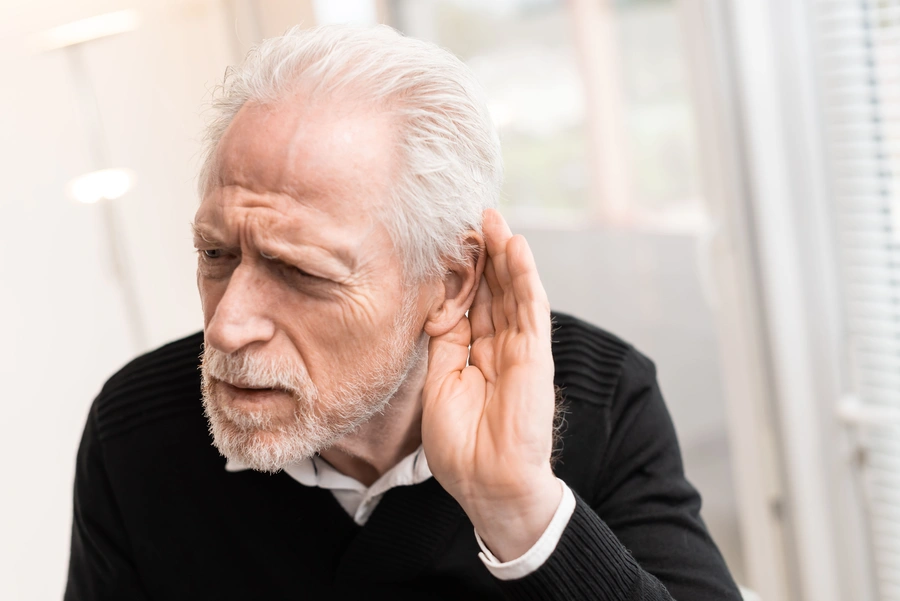
You may find yourself asking others to repeat things more often, mishearing important details, or struggling to keep up with fast-paced discussions. On the other side, partners or family members may feel that they are constantly repeating themselves or not being listened to.
Over time, these small breakdowns can lead to larger misunderstandings. What starts as a simple “Sorry, what did you say?” can gradually turn into frustration on both sides if the underlying issue isn’t addressed.
Frustration and Misunderstanding
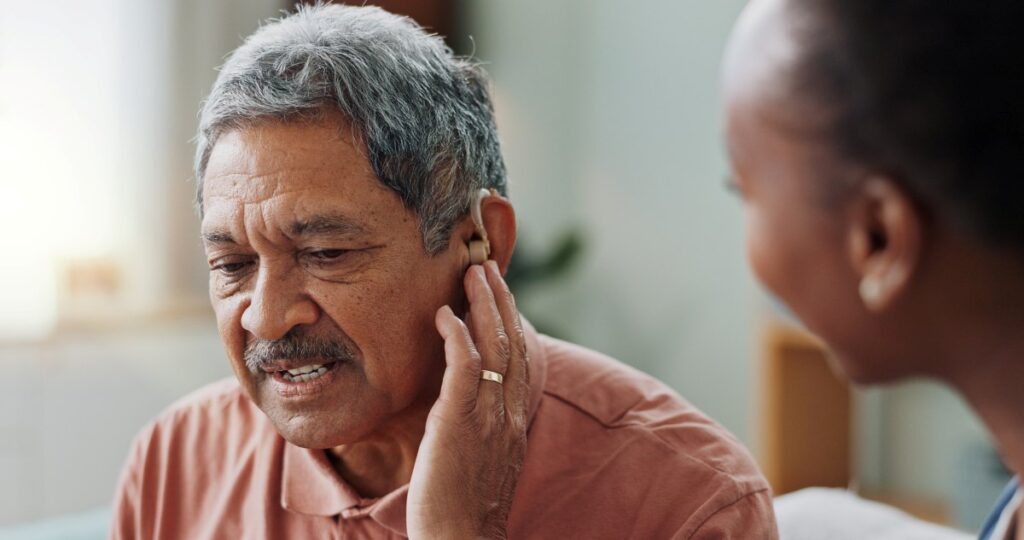
One of the most common emotional effects of hearing loss in relationships is frustration. This can affect both the person experiencing hearing loss and those around them.
For the person with hearing difficulties, it can feel exhausting to constantly try to keep up with conversations. You may worry about misunderstanding something important or feel embarrassed about asking others to repeat themselves.
For partners, friends, or family members, repeating conversations or raising their voice can become tiring. Without understanding the root cause, they may interpret the situation as a lack of attention or interest.
These misunderstandings can create tension, even in otherwise strong relationships.
Emotional Distance and Withdrawal
When communication becomes difficult, some people begin to withdraw from conversations or social situations altogether. This is often not a conscious decision; it simply feels easier to avoid situations where hearing is challenging.
You might find yourself:
- Speaking less during conversations
- Avoiding group gatherings or busy environments
- Letting others lead discussions rather than contributing
While this can reduce immediate stress, it can also create emotional distance over time. Partners or loved ones may feel that you are becoming less engaged, even though the real issue is difficulty hearing clearly.
Maintaining open communication about hearing challenges is key to preventing this kind of withdrawal from affecting your relationships.
The Impact on Intimate Relationships
Hearing loss can have a particularly strong impact on close, personal relationships. Partners often rely on subtle communication – tone of voice, quiet conversations, and shared moments – that can be affected by hearing difficulties.
Simple things like chatting at the end of the day, talking from another room, or watching television together can become sources of frustration if hearing is reduced.
Over time, these small disruptions can affect emotional closeness. If conversations become harder, couples may communicate less, which can impact connection and overall relationship satisfaction.
Addressing hearing concerns early helps maintain these important everyday interactions that strengthen relationships.
Social Life and Shared Experiences

Relationships are often built on shared experiences, such as dining out, attending events, or spending time with friends and family. Hearing loss can make these situations more challenging, particularly in noisy environments.
Struggling to follow conversations in restaurants or group settings can make social occasions feel stressful rather than enjoyable. As a result, some people begin to avoid these situations, which can limit shared experiences with loved ones.
This reduction in social interaction can affect not only relationships but also overall wellbeing. Staying socially active is important for both emotional and mental health, making it essential to address hearing challenges before they lead to isolation.
Supporting a Loved One with Hearing Loss
Hearing loss doesn’t just affect one person; it affects everyone around them. Understanding how to respond supportively can make a significant difference in maintaining strong relationships.
If someone close to you is experiencing hearing difficulties, patience and communication are key. Small adjustments can help reduce frustration and improve understanding in everyday conversations, so empathy and confidence is a priority on both sides.
Some helpful approaches include:
- Speaking clearly and facing the person when talking
- Reducing background noise where possible
- Avoiding shouting, which can distort speech
- Being patient if repetition is needed
- Encouraging professional hearing assessments in a supportive way
Supporting a loved one with hearing loss can be frustrating, but these small changes can have a big impact on maintaining positive, supportive communication.
Rebuilding Communication and Confidence

The good news is that hearing loss does not have to damage relationships permanently. With the right support, communication can improve significantly, helping to rebuild confidence and connection.
Open conversations about hearing challenges are an important first step. Letting others know what you’re experiencing helps them understand the situation and adapt their communication style.
Professional hearing care also plays a key role. Addressing hearing loss can restore clarity in conversations, reduce listening effort, and make social interactions more enjoyable again.
When communication improves, relationships often follow.
How Professional Hearing Care Can Save Your Relationship
Modern hearing care offers a range of solutions designed to support both hearing and communication. Hearing aids and assistive technologies have advanced significantly, providing clearer sound and better performance in challenging environments.
Features such as background noise reduction and speech enhancement can make a noticeable difference in everyday conversations, particularly in social or busy settings.
At VIP Hearing Solutions, we offer discreet and professional audiology services tailored to your individual needs. Our experienced audiologists focus on understanding your lifestyle and communication challenges, ensuring you receive the most effective support for both your hearing and your relationships.
With the right care, many people find that addressing hearing loss improves not just their hearing, but their confidence and overall quality of life.
Don’t Let Hearing Loss Affect Your Relationships
Hearing loss can have a significant impact on relationship satisfaction, affecting communication, emotional connection, and shared experiences. However, these challenges are not permanent.
By recognising the signs early, maintaining open communication, and seeking professional support, you can protect and strengthen your relationships. Small changes, both at home and with professional guidance, can make a meaningful difference.
If you or someone close to you is experiencing hearing difficulties, taking action now can help you maintain strong, healthy connections and continue enjoying meaningful conversations for years to come.